7 min read

Depression is a complex and often misunderstood mental health condition that affects millions of people worldwide.
Depression is a complex and often misunderstood mental health condition that affects millions of people worldwide.
While many of us may experience feelings of sadness or despair from time to time, depression is a persistent state that can significantly impact one’s quality of life.
Understanding the science behind depression can help demystify it and provide insights into effective coping strategies.
This blog post delves into the biological, psychological, and environmental aspects of depression and offers practical tips for managing its symptoms.
FAQs Understanding Depression Depression is more than just feeling blue or having a bad day.
It's a serious mental health condition that can affect how you feel, think, and handle daily activities.
According to the World Health Organization, more than 264 million people suffer from depression globally.
While it can strike at any age, it's most common in adults.
Symptoms can vary from mild to severe and include persistent sadness, loss of interest or pleasure in activities, changes in appetite or weight, trouble sleeping, loss of energy, and difficulty concentrating.
The Biology of Depression The biological underpinnings of depression are complex and involve various neurotransmitters and brain structures.
From the Author
Order today and James will personally sign your copy — a meaningful keepsake from an NBA All-Star and mental health advocate.

Celebrating Your Gift of Life
From the verge of suicide to a life of purpose and joy
Order & Get It Signed
Standing Above the Crowd
Inspiring stories of resilience, hope, and mental wellness
Order & Get It Signed
James Donaldson
Author, Speaker & Mental Health Advocate · Standing Above the Crowd
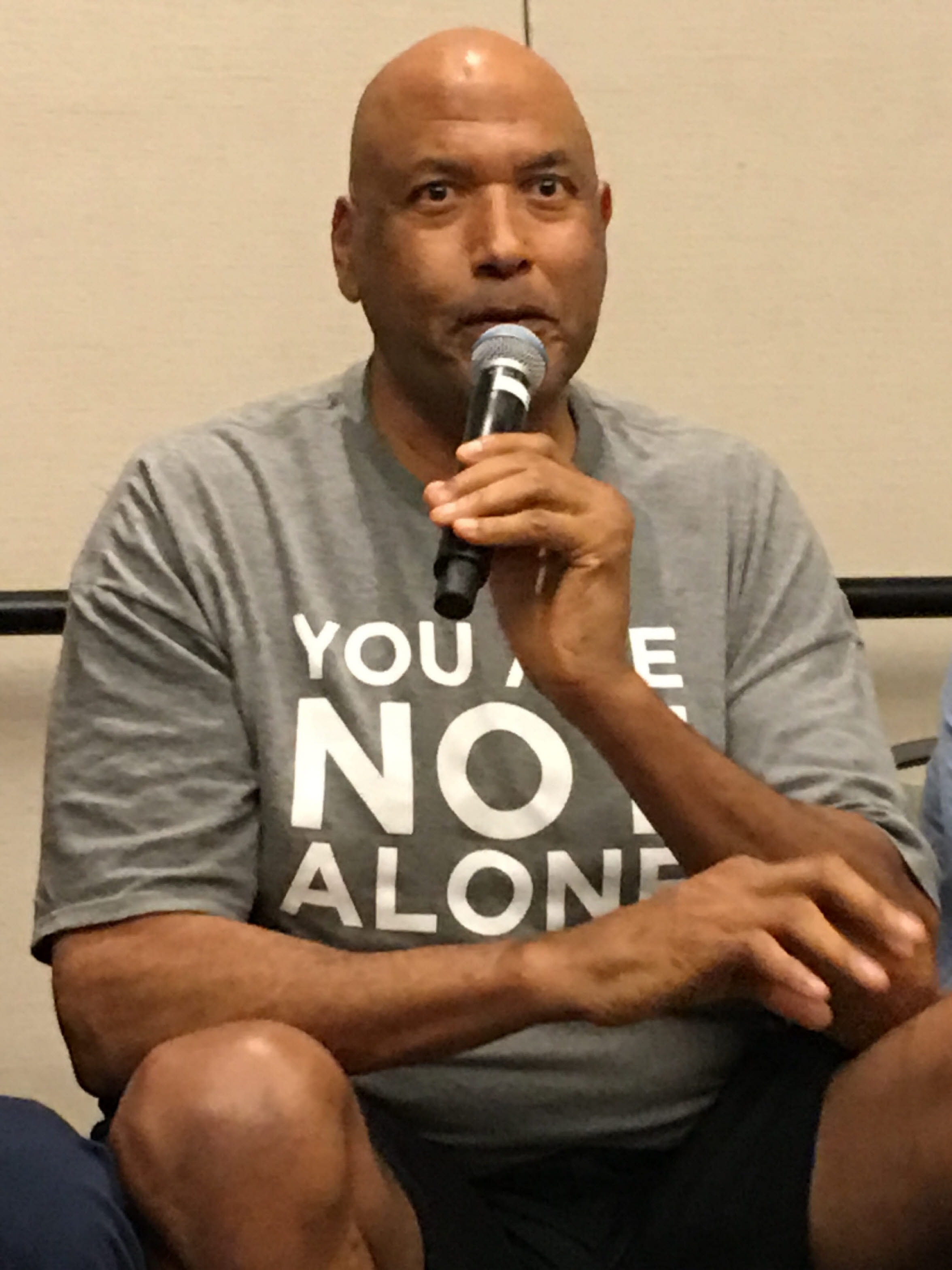
James Donaldson is a former NBA All-Star (1988, Dallas Mavericks) who played 20 years of professional basketball with the Seattle SuperSonics, L.A. Clippers, Dallas Mavericks, New York Knicks, Utah Jazz, and teams across Europe, before touring with the Harlem Globetrotters. A Washington State University graduate inducted into both the Pac-10 and WSU Athletic Halls of Fame, James went on to found The Donaldson Clinic, an outpatient physical therapy practice he operated for nearly three decades. Today he devotes his time to mental health awareness and suicide prevention — speaking to organizations, schools, and youth groups — and is the author of Standing Above the Crowd and Celebrating Your Gift of Life (2021). James recently relocated to the Dallas, TX area and believes deeply in being a role model of success and professionalism for the young people he serves.