7 min read
Worried phone calls and messages Mobile phone technology, rather than easing anxiety , can actually exacerbate it, since now there is the expectation that we can always be in touch with each other.
Worried phone calls and messages Mobile phone technology, rather than easing anxiety , can actually exacerbate it, since now there is the expectation that we can always be in touch with each other.
Many parents of kids with separation anxiety are used to getting dozens of worried text messages and phone calls throughout the day while they are at work or their child is at school, and some kids will start to panic when mom or dad doesn’t answer or is out of cell phone reception range.
Separation anxiety itself, when developmentally appropriate, is not necessarily a bad thing.
Though it feels uncomfortable, anxiety can be useful because it spurs us to be more thoughtful and cautious when approaching a new situation.
As Ron Steingard, MD, a child and adolescent psychiatrist, explains, “At different stages of development it is normal to have problems around separation, because the world is not safe, and you haven’t learned how to master being away from the people who take care of you.
As you develop, and as you begin to master situations and develop skills, it should get easier.” Missing out on activities For kids who have severe, persistent anxiety at separating, it doesn’t get easier.
These kids will have an unusually hard time saying goodbye — one mom we know has considered quitting her job because of the panic attacks her daughter has whenever she leaves for work — but the anxiety doesn’t stop there.
The distress these kids feel about separating prevents them from participating in age-appropriate activities and learning opportunities like joining sports teams or even in some cases attending school.
The anxiety takes a social toll as well — these are the nine-year-olds who still need mom to stand next to them during a birthday party or won’t consider attending a sleepover unless it is being hosted at their own home.
Overattachment also persists at home, where children will often “shadow” one parent from room to room.
From the Author
Order today and James will personally sign your copy — a meaningful keepsake from an NBA All-Star and mental health advocate.
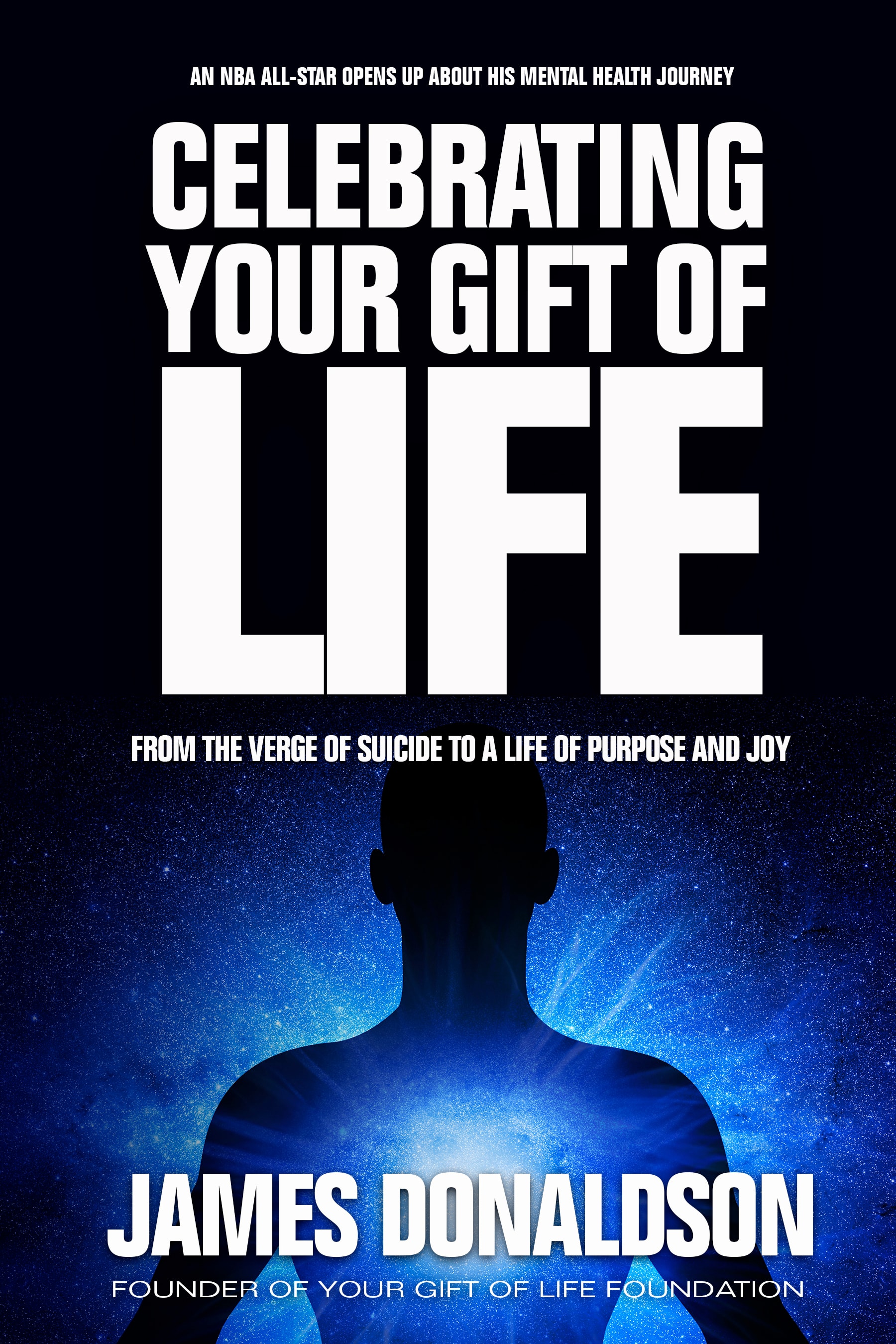
Celebrating Your Gift of Life
From the verge of suicide to a life of purpose and joy
Order & Get It Signed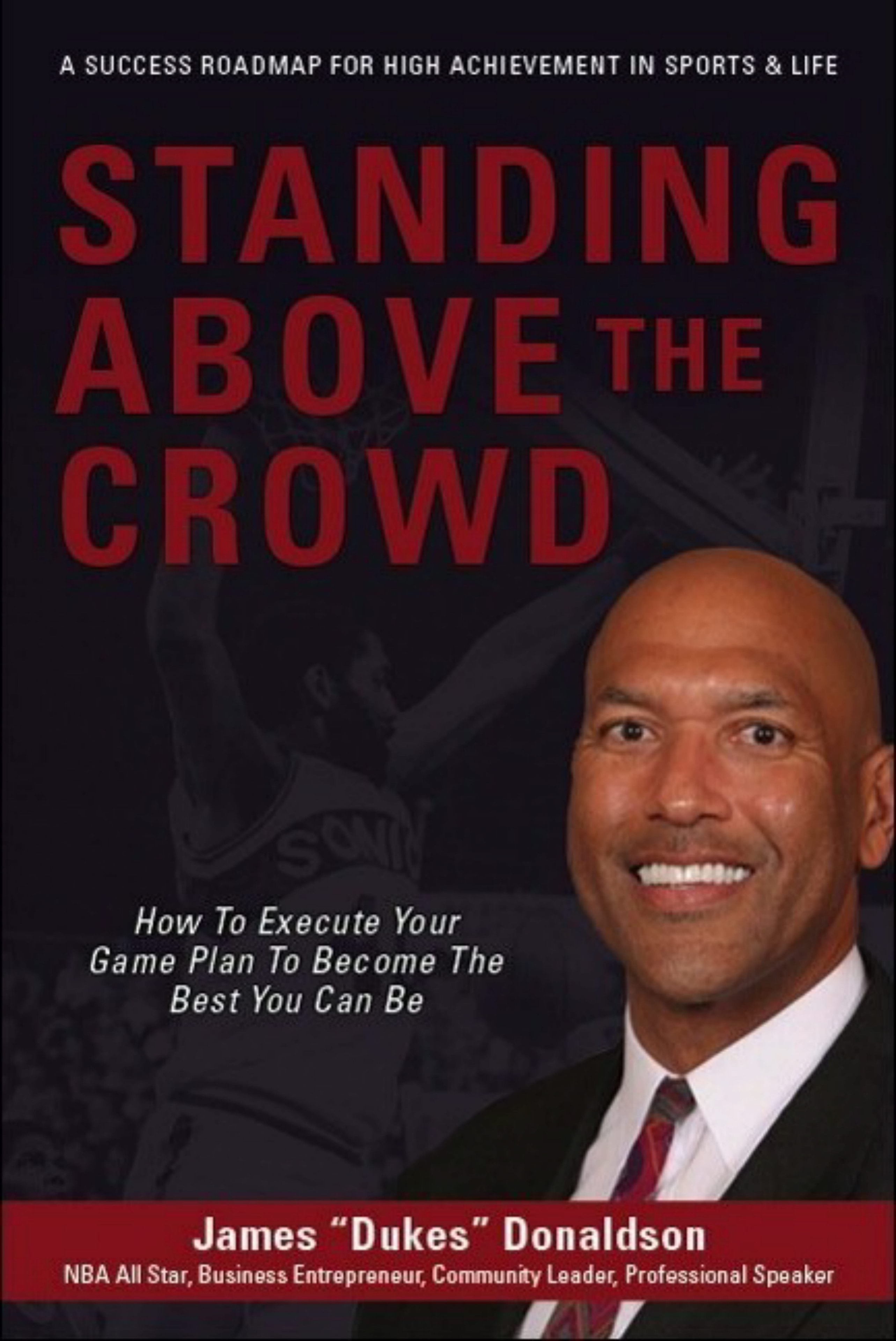
Standing Above the Crowd
Inspiring stories of resilience, hope, and mental wellness
Order & Get It Signed
James Donaldson
Author, Speaker & Mental Health Advocate · Standing Above the Crowd
James Donaldson is a former NBA All-Star (1988, Dallas Mavericks) who played 20 years of professional basketball with the Seattle SuperSonics, L.A. Clippers, Dallas Mavericks, New York Knicks, Utah Jazz, and teams across Europe, before touring with the Harlem Globetrotters. A Washington State University graduate inducted into both the Pac-10 and WSU Athletic Halls of Fame, James went on to found The Donaldson Clinic, an outpatient physical therapy practice he operated for nearly three decades. Today he devotes his time to mental health awareness and suicide prevention — speaking to organizations, schools, and youth groups — and is the author of Standing Above the Crowd and Celebrating Your Gift of Life (2021). James recently relocated to the Dallas, TX area and believes deeply in being a role model of success and professionalism for the young people he serves.