7 min read

Long-term risks of traumatic separation The effects of traumatic separation can persist even after a child and their caregiver are reunited.
Long-term risks of traumatic separation The effects of traumatic separation can persist even after a child and their caregiver are reunited.
Traumatic separation, like other adverse childhood experiences , puts kids at risk for a host of long-term medical and mental health conditions, including depression, anxiety, attention issues, and post-traumatic stress disorder (PTSD) .
But Downie notes that not everyone who experiences traumatic separation develops PTSD.
“Just because someone’s experiencing trauma now doesn’t mean that it’s going to become a PTSD diagnosis,” she says.
“A lot of the behaviors that we’re talking about are normal and expected.
There’s an adjustment period when a separation happens.” But if symptoms persist or escalate over several months, a child may need more serious support.
Treatment for a trauma diagnosis While not every child who experiences a separation may receive a trauma diagnosis or require treatment, cognitive behavioral therapy (CBT) — and the more specific trauma-focused cognitive behavioral therapy (TF-CBT) — is the “gold standard,” says Downie.
TF-CBT is specifically for children experiencing trauma-related symptoms .
An important component of TF-CBT is creating a trauma narrative, where kids create a story about what happened to help them process it.
“But if you have a child who is not ready to process and integrate that trauma, you can’t force the pacing of the treatment,” she says.

From the Author
Order today and James will personally sign your copy — a meaningful keepsake from an NBA All-Star and mental health advocate.
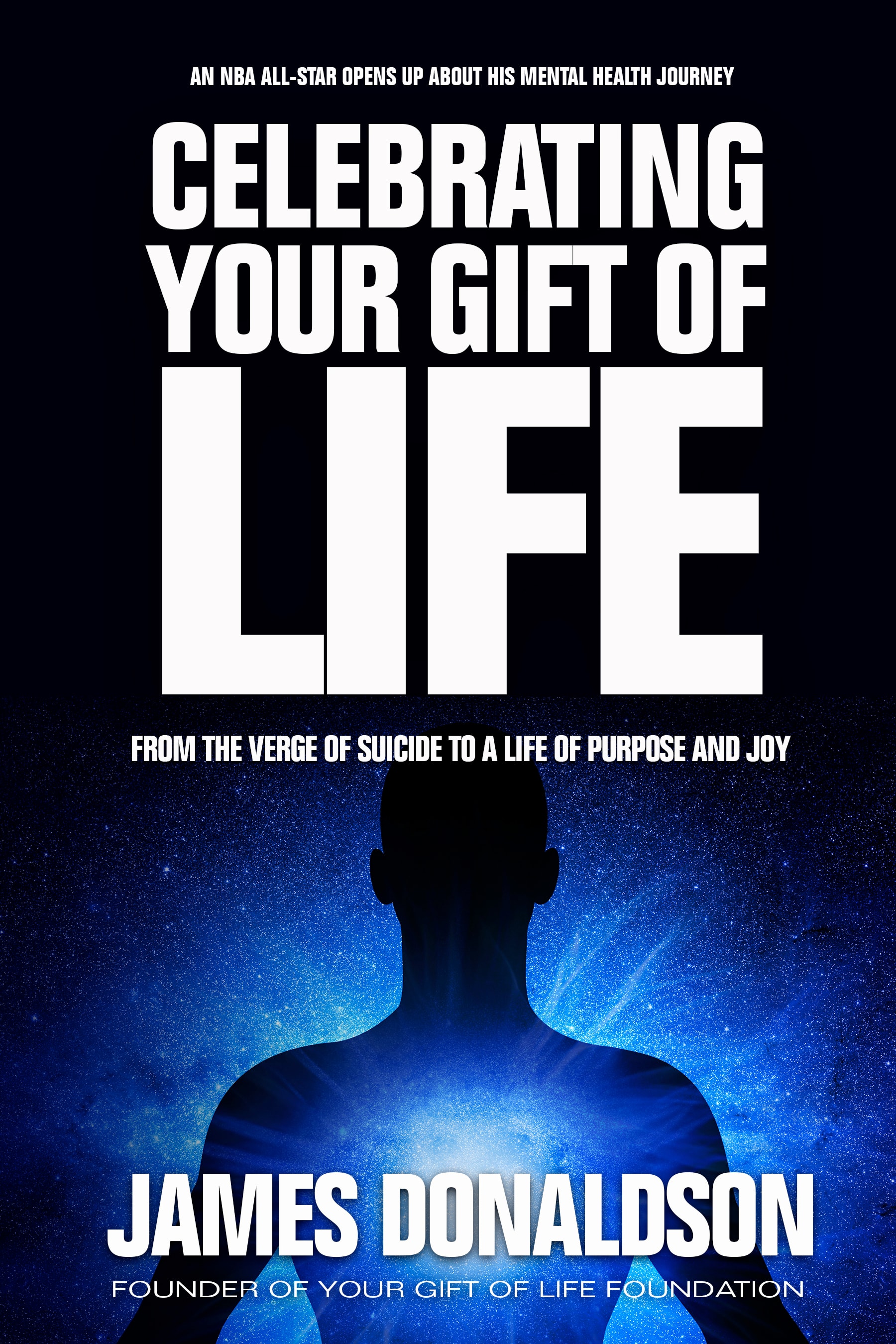
Celebrating Your Gift of Life
From the verge of suicide to a life of purpose and joy
Order & Get It Signed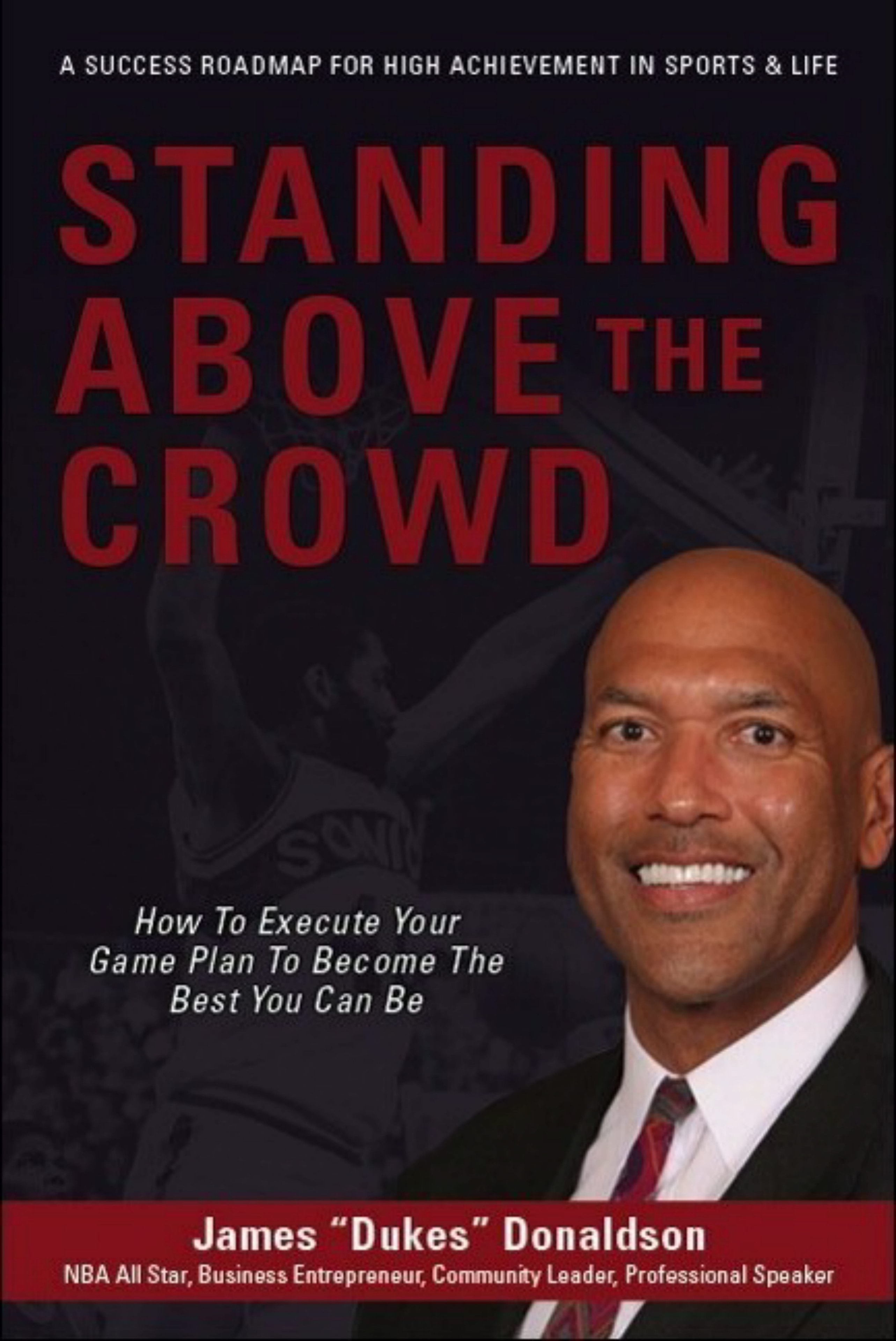
Standing Above the Crowd
Inspiring stories of resilience, hope, and mental wellness
Order & Get It Signed
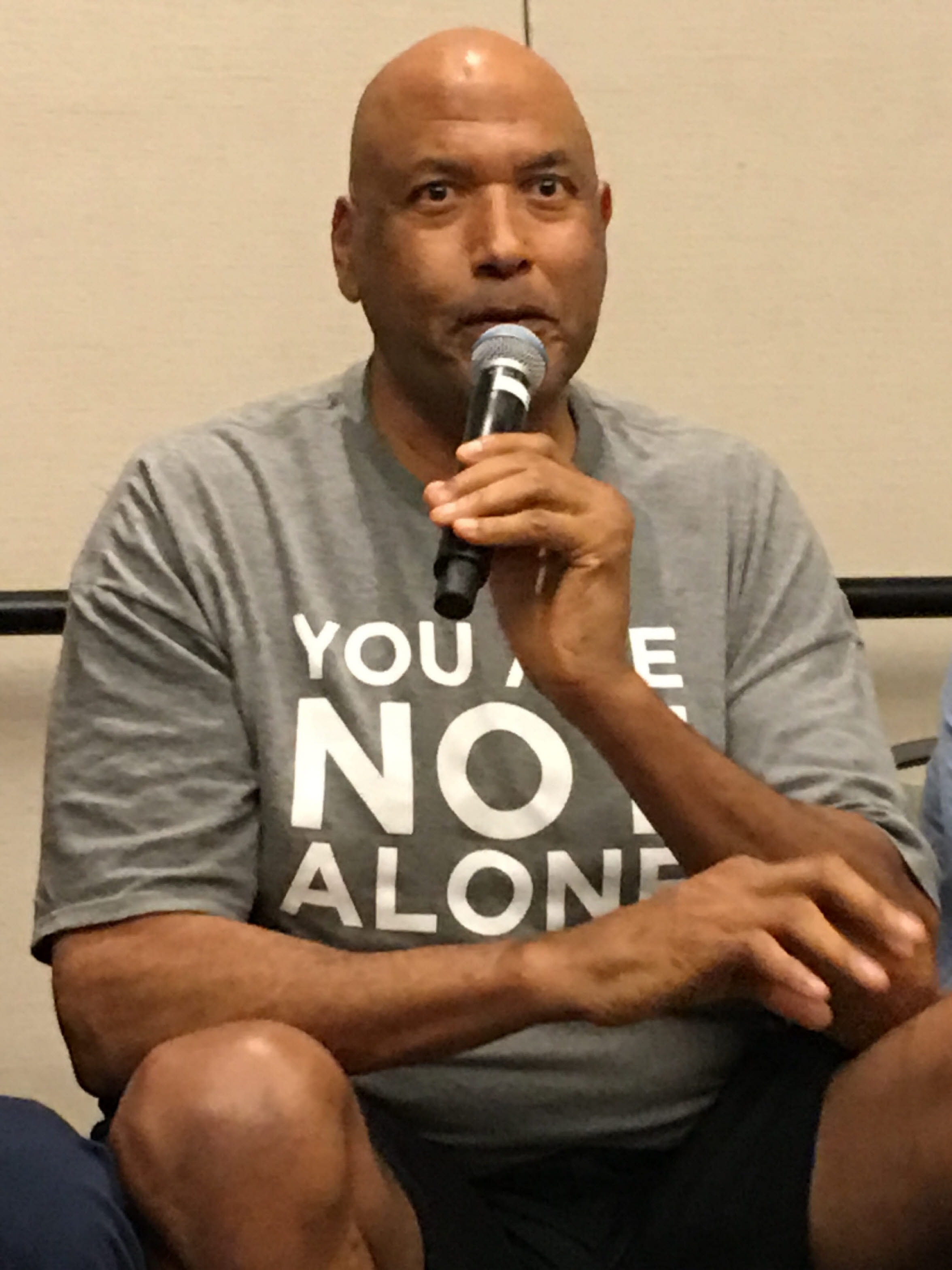
James Donaldson
Author, Speaker & Mental Health Advocate · Standing Above the Crowd
James Donaldson is a former NBA All-Star (1988, Dallas Mavericks) who played 20 years of professional basketball with the Seattle SuperSonics, L.A. Clippers, Dallas Mavericks, New York Knicks, Utah Jazz, and teams across Europe, before touring with the Harlem Globetrotters. A Washington State University graduate inducted into both the Pac-10 and WSU Athletic Halls of Fame, James went on to found The Donaldson Clinic, an outpatient physical therapy practice he operated for nearly three decades. Today he devotes his time to mental health awareness and suicide prevention — speaking to organizations, schools, and youth groups — and is the author of Standing Above the Crowd and Celebrating Your Gift of Life (2021). James recently relocated to the Dallas, TX area and believes deeply in being a role model of success and professionalism for the young people he serves.