7 min read

Why does DBT include phone coaching?
Why does DBT include phone coaching?
One of the most unusual elements of DBT programs, phone coaching, is designed to support patients’ efforts to apply DBT skills in their lives outside the therapy session, something therapists call “skills generalization.” As Dr.
Allerhand puts it, “How do we actually help people to do the things that we talked about in session when they are in the moments of crisis?” Ideally, the patient calls the therapist when they are tempted to do something self-destructive, to get support in using their DBT skills instead.
Emotion dysregulation also leads to ineffective problem solving, and phone coaching can help kids and parents utilize more constructive problem solving skills rather than falling into old, unhelpful patterns.
Structured therapy sessions Therapy sessions in comprehensive DBT don’t hew to a step-by-step manual, but they do follow structured principles, Dr.
Each individual therapy session is structured around a diary card that the patient brings to the session, which is like a weekly tracker of their emotions and their urges to engage in whatever their problematic behaviors are.
There is a hierarchy of behaviors: Target 1 are life-threatening behaviors.
Target 2, therapy-interfering behaviors.
And Target 3, quality-of-life-interfering behaviors.
The therapist makes it a priority to focus on Target 1 behaviors, giving them the most time in a session.

From the Author
Order today and James will personally sign your copy — a meaningful keepsake from an NBA All-Star and mental health advocate.

Celebrating Your Gift of Life
From the verge of suicide to a life of purpose and joy
Order & Get It Signed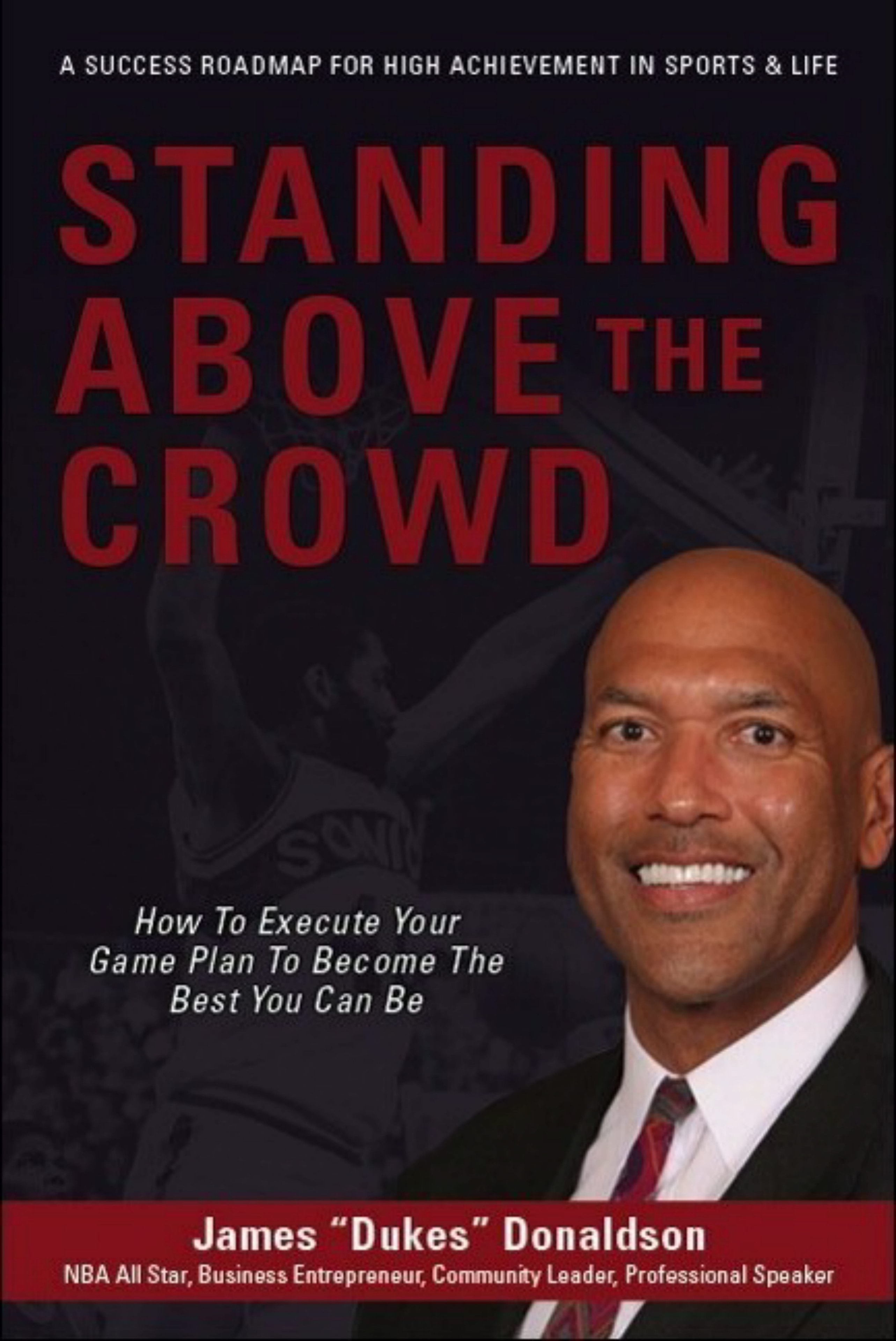
Standing Above the Crowd
Inspiring stories of resilience, hope, and mental wellness
Order & Get It Signed
James Donaldson
Author, Speaker & Mental Health Advocate · Standing Above the Crowd
James Donaldson is a former NBA All-Star (1988, Dallas Mavericks) who played 20 years of professional basketball with the Seattle SuperSonics, L.A. Clippers, Dallas Mavericks, New York Knicks, Utah Jazz, and teams across Europe, before touring with the Harlem Globetrotters. A Washington State University graduate inducted into both the Pac-10 and WSU Athletic Halls of Fame, James went on to found The Donaldson Clinic, an outpatient physical therapy practice he operated for nearly three decades. Today he devotes his time to mental health awareness and suicide prevention — speaking to organizations, schools, and youth groups — and is the author of Standing Above the Crowd and Celebrating Your Gift of Life (2021). James recently relocated to the Dallas, TX area and believes deeply in being a role model of success and professionalism for the young people he serves.