7 min read

“DBT is best suited for people who have a core challenge with highly sensitive emotions, and it’s impairing their functioning,” explains Lauren Allerhand, PsyD , co-director of DBT programs at the Chi
“DBT is best suited for people who have a core challenge with highly sensitive emotions, and it’s impairing their functioning,” explains Lauren Allerhand, PsyD , co-director of DBT programs at the Child Mind Institute.
“The extreme emotions can cause a wide range of symptoms.” Those symptoms might include explosive anger or outbursts, intense mood swings, physical aggression, conflict with parents and siblings, or impulsive behaviors like self-harm, substance abuse, or risky sex.
“Many of these challenges can be viewed as the downstream effect of emotion dysregulation.” While DBT was first developed to treat people diagnosed with borderline personality disorder, it is now being used to help kids with a wide range of diagnoses, including depression, anxiety, bipolar disorder, eating disorders, substance use disorders, and disruptive behavior disorders.
“Since there are many ways emotional dysregulation can present, DBT is a transdiagnostic treatment,” Dr.
Why is it called ‘dialectical’?
DBT is “dialectical” because it works by simultaneously addressing two things that might seem contradictory: acceptance of feelings (mindfulness) and learning to use coping strategies to change unhelpful feelings and thought patterns (CBT).
It’s basically “‘I’m doing the best I can’ on the one hand, and ‘I need to do better,’” notes Alec Miller, PsyD, a professor in the Department of Psychiatry and Behavioral Sciences at Albert Einstein College of Medicine.
“That’s a dialectical truth.” A brief history of DBT Dialectical behavior therapy was developed by Marsha Linehan, PhD, in the 1970s to treat adult borderline personality disorder — a disorder with symptoms that include emotional volatility, trouble with relationships, self-destructive behaviors and suicidal thoughts .
These patients were typically thought of as “difficult,” if not impossible, to treat.
Linehan redefined the disorder, reframing it as a specific problem of the emotion regulation system that can be addressed with a structured intervention.
From the Author
Order today and James will personally sign your copy — a meaningful keepsake from an NBA All-Star and mental health advocate.

Celebrating Your Gift of Life
From the verge of suicide to a life of purpose and joy
Order & Get It Signed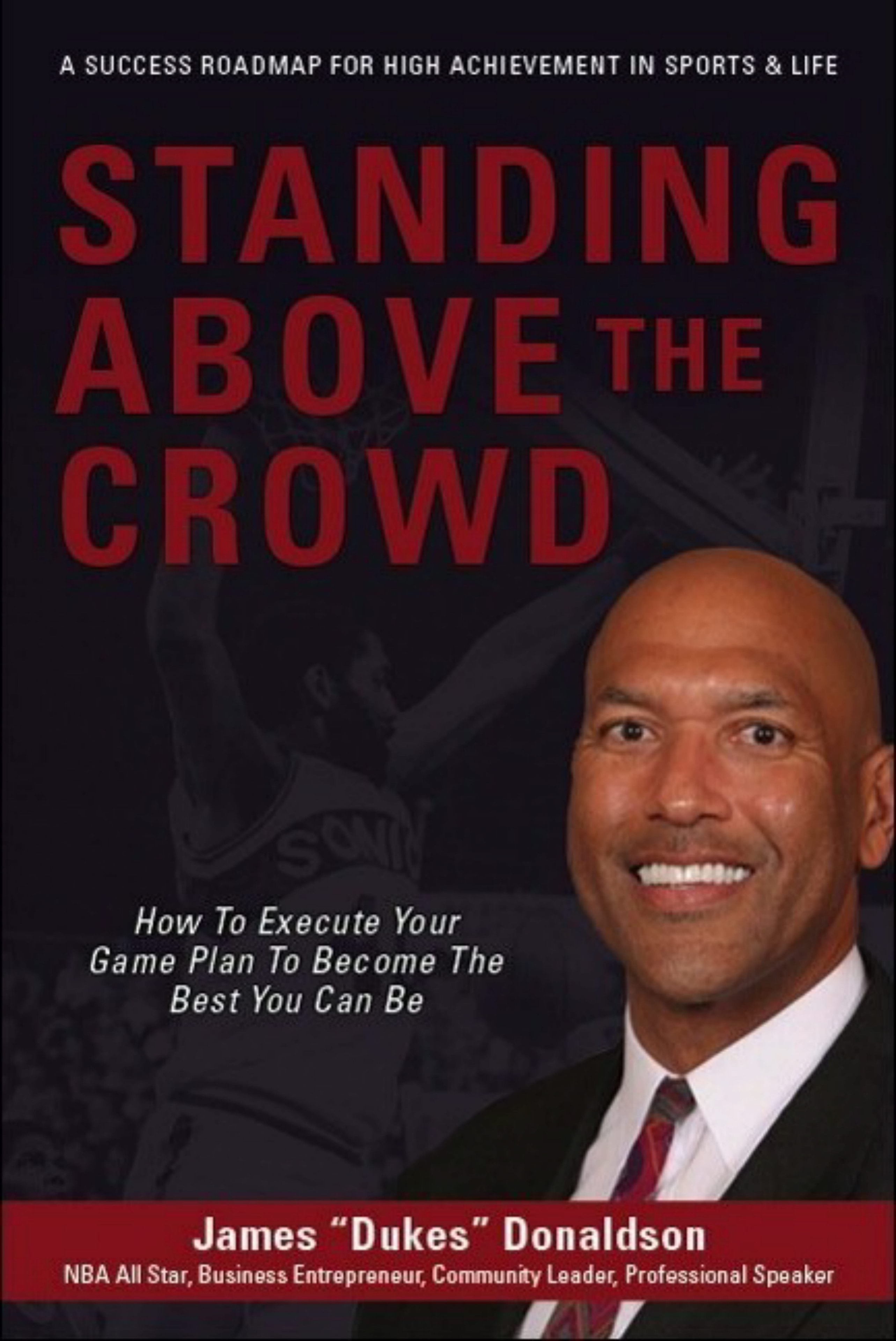
Standing Above the Crowd
Inspiring stories of resilience, hope, and mental wellness
Order & Get It Signed
James Donaldson
Author, Speaker & Mental Health Advocate · Standing Above the Crowd
James Donaldson is a former NBA All-Star (1988, Dallas Mavericks) who played 20 years of professional basketball with the Seattle SuperSonics, L.A. Clippers, Dallas Mavericks, New York Knicks, Utah Jazz, and teams across Europe, before touring with the Harlem Globetrotters. A Washington State University graduate inducted into both the Pac-10 and WSU Athletic Halls of Fame, James went on to found The Donaldson Clinic, an outpatient physical therapy practice he operated for nearly three decades. Today he devotes his time to mental health awareness and suicide prevention — speaking to organizations, schools, and youth groups — and is the author of Standing Above the Crowd and Celebrating Your Gift of Life (2021). James recently relocated to the Dallas, TX area and believes deeply in being a role model of success and professionalism for the young people he serves.