7 min read

A child who has been drilled to follow rules takes them very seriously, leading them to tattling on friends and siblings no matter how minor the misbehavior.
A child who has been drilled to follow rules takes them very seriously, leading them to tattling on friends and siblings no matter how minor the misbehavior.
However, there are some simple ways to help your child understand the difference between tattling and alerting a grown-up when an important rule is being broken.
Understand the difference Tattling is reporting a peer’s wrongdoing, when the situation is safe and the child can handle it themselves.
Telling is alerting adults that the situation is not safe and/or your child needs help managing the situation.
Tattling to get a peer in trouble can be mean-spirited.
Telling to protect a peer from harm is civic-minded or showing concern for others.
Give children tools and words Children may be able to solve a minor problem themselves if they can identify the problem and use their words effectively to express their frustrations.
As tattling/telling situations arise, talk through the moment with your child and help them figure out ways to approach a similar situation in the future.
For example, if your child is being rushed at the water fountain, they can say, “It’s my turn” to the child who is being impatient.
If someone calls their friend an unkind name, they can say, “That’s my friend.
From the Author
Order today and James will personally sign your copy — a meaningful keepsake from an NBA All-Star and mental health advocate.

Celebrating Your Gift of Life
From the verge of suicide to a life of purpose and joy
Order & Get It Signed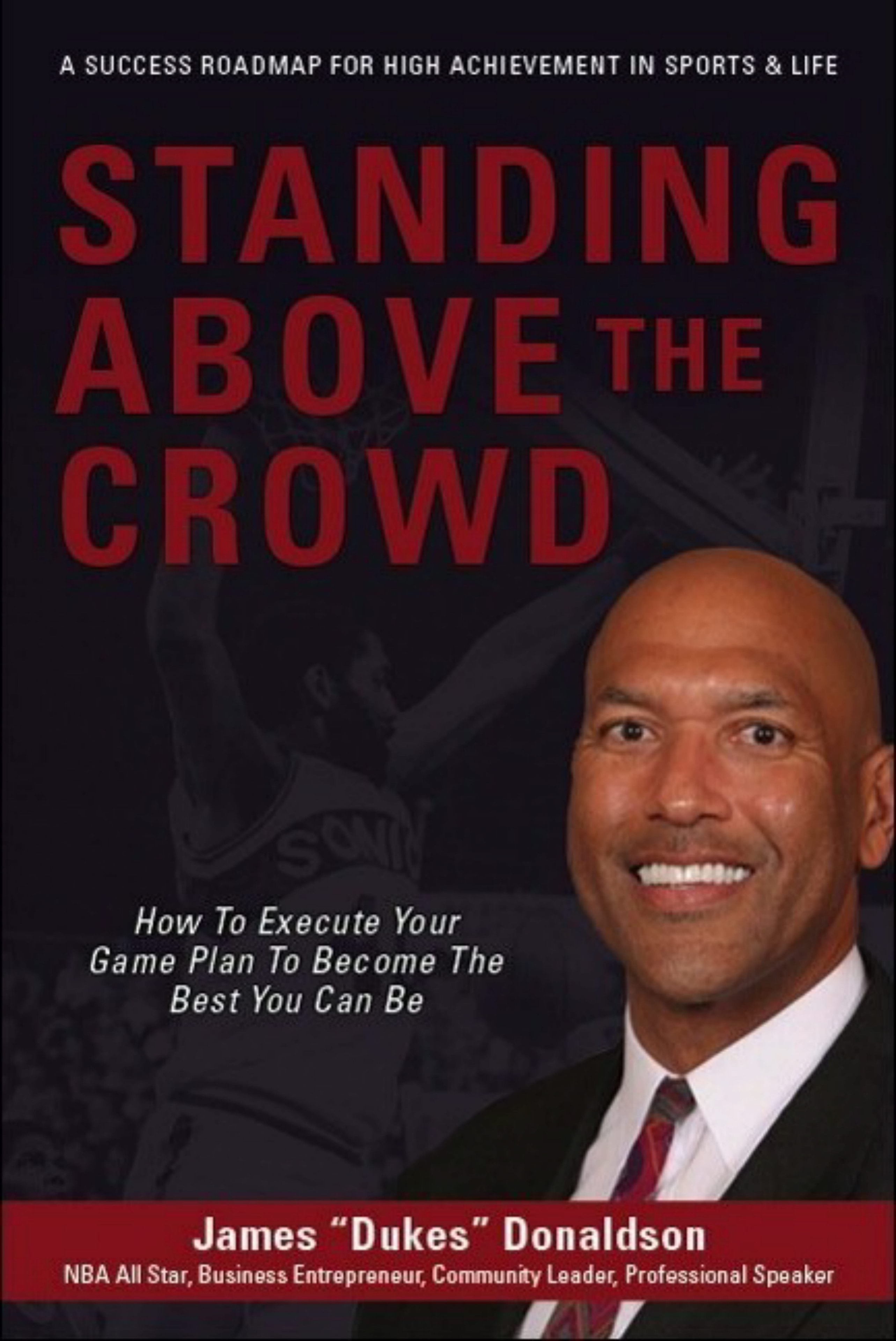
Standing Above the Crowd
Inspiring stories of resilience, hope, and mental wellness
Order & Get It Signed
James Donaldson
Author, Speaker & Mental Health Advocate · Standing Above the Crowd
James Donaldson is a former NBA All-Star (1988, Dallas Mavericks) who played 20 years of professional basketball with the Seattle SuperSonics, L.A. Clippers, Dallas Mavericks, New York Knicks, Utah Jazz, and teams across Europe, before touring with the Harlem Globetrotters. A Washington State University graduate inducted into both the Pac-10 and WSU Athletic Halls of Fame, James went on to found The Donaldson Clinic, an outpatient physical therapy practice he operated for nearly three decades. Today he devotes his time to mental health awareness and suicide prevention — speaking to organizations, schools, and youth groups — and is the author of Standing Above the Crowd and Celebrating Your Gift of Life (2021). James recently relocated to the Dallas, TX area and believes deeply in being a role model of success and professionalism for the young people he serves.