7 min read
Tootle, don’t tattle Another way to create a more positive social dynamic is to celebrate tootling rather than tattling .
Tootle, don’t tattle Another way to create a more positive social dynamic is to celebrate tootling rather than tattling .
Lee describes, is calling someone out for positive behavior.
So for example, encourage your kids to come and tell you when their sibling shares a toy or demonstrates kindness, then make a big deal out of the positive actions of both children.
Depending on your family culture you may want to start a penny jar that gets them pizza night when it’s full, or have some other means of documenting all the good deeds.
If you take something away, give it back Even with all this in place, there are going to be times when the kids are playing tug of war with a toy and it feels like the only way to intervene is to remove the source of conflict.
Lee says that it’s totally fine to do that, but to make sure you give the toy back to them within a few minutes and give them a chance to practice using it appropriately — otherwise they aren’t really learning how to work collaboratively.
This may mean getting them to agree to taking turns with the help of a timer then praising them when they do a good job.
Forget fair “That’s not fair!” is a common cry of children of all ages, and it’s easy for parents to get caught up in making sure that everything is on even footing between siblings.
Lee points out, life isn’t fair and it’s not realistic that every single thing in the home be equal at all times.
The older kid may get to stay up later, and while the younger kid may feel that this is a great injustice, “it’s up to the culture of your family and what you’re comfortable with,” she says.
From the Author
Order today and James will personally sign your copy — a meaningful keepsake from an NBA All-Star and mental health advocate.
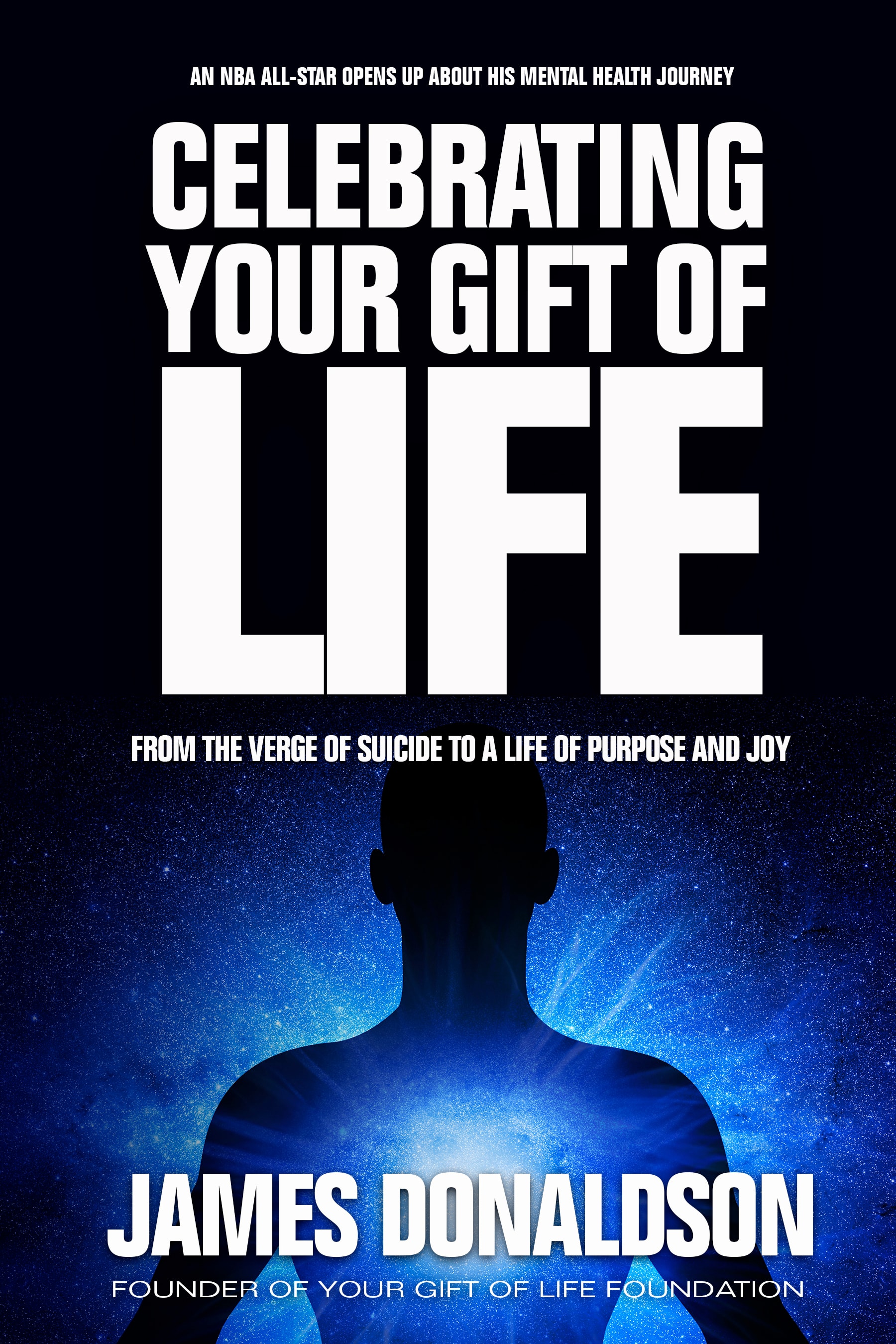
Celebrating Your Gift of Life
From the verge of suicide to a life of purpose and joy
Order & Get It Signed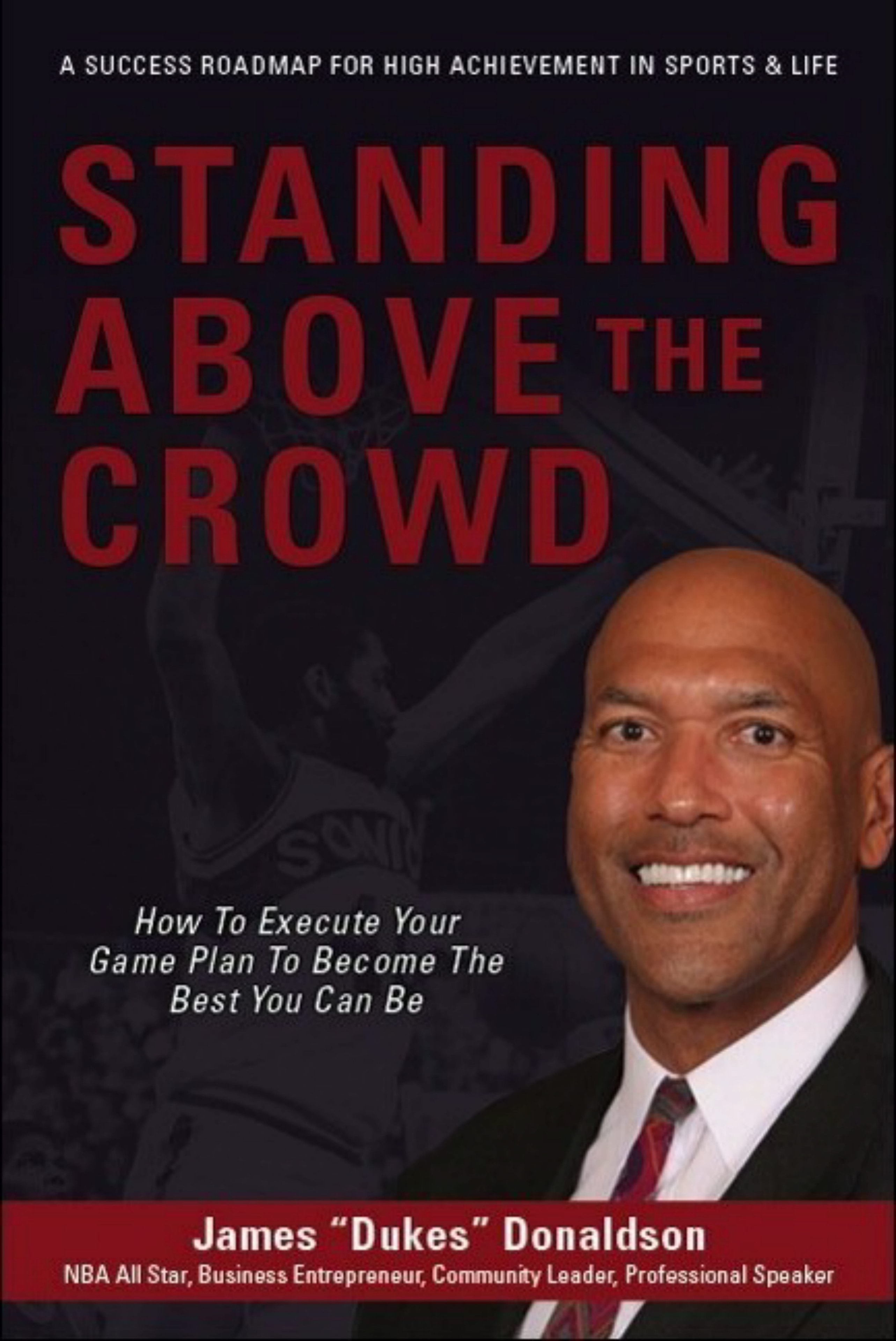
Standing Above the Crowd
Inspiring stories of resilience, hope, and mental wellness
Order & Get It Signed
James Donaldson
Author, Speaker & Mental Health Advocate · Standing Above the Crowd
James Donaldson is a former NBA All-Star (1988, Dallas Mavericks) who played 20 years of professional basketball with the Seattle SuperSonics, L.A. Clippers, Dallas Mavericks, New York Knicks, Utah Jazz, and teams across Europe, before touring with the Harlem Globetrotters. A Washington State University graduate inducted into both the Pac-10 and WSU Athletic Halls of Fame, James went on to found The Donaldson Clinic, an outpatient physical therapy practice he operated for nearly three decades. Today he devotes his time to mental health awareness and suicide prevention — speaking to organizations, schools, and youth groups — and is the author of Standing Above the Crowd and Celebrating Your Gift of Life (2021). James recently relocated to the Dallas, TX area and believes deeply in being a role model of success and professionalism for the young people he serves.