7 min read

By DEVI SHASTRI Experts wish more people spotted the signs earlier: feeling overwhelmed, not feeling “like yourself,” shifts in sleep, behaviour and mood.
By DEVI SHASTRI Experts wish more people spotted the signs earlier: feeling overwhelmed, not feeling “like yourself,” shifts in sleep, behaviour and mood.
The United States has a mental health problem, data from the US Centers for Disease Control and Prevention show.
More young people, especially girls, are reporting poor mental health.
And while the national suicide rate fell slightly in 2024, it did so from one of its highest levels ever reported .
Mental health crises can happen abruptly or build to a tipping point over time.
They can be fuelled by a sudden loss or traumatic event, personal or societal upheaval, underlying health conditions, or any combination of factors.
Whatever the cause, experts say the best thing to do is to spark a conversation as early as possible and connect to a broader support system.
Key signals Mental health professionals say what constitutes a crisis varies from person to person.
But there are some key signals that could indicate someone is struggling, and they can be subtle at first.
“My crisis might not be your crisis, but what we do know is that – however people define crisis – there is a change in how they’re feeling, a change in how they’re behaving,” said Dr Theresa Miskimen Rivera, president of the American Psychiatric Association.
From the Author
Order today and James will personally sign your copy — a meaningful keepsake from an NBA All-Star and mental health advocate.

Celebrating Your Gift of Life
From the verge of suicide to a life of purpose and joy
Order & Get It Signed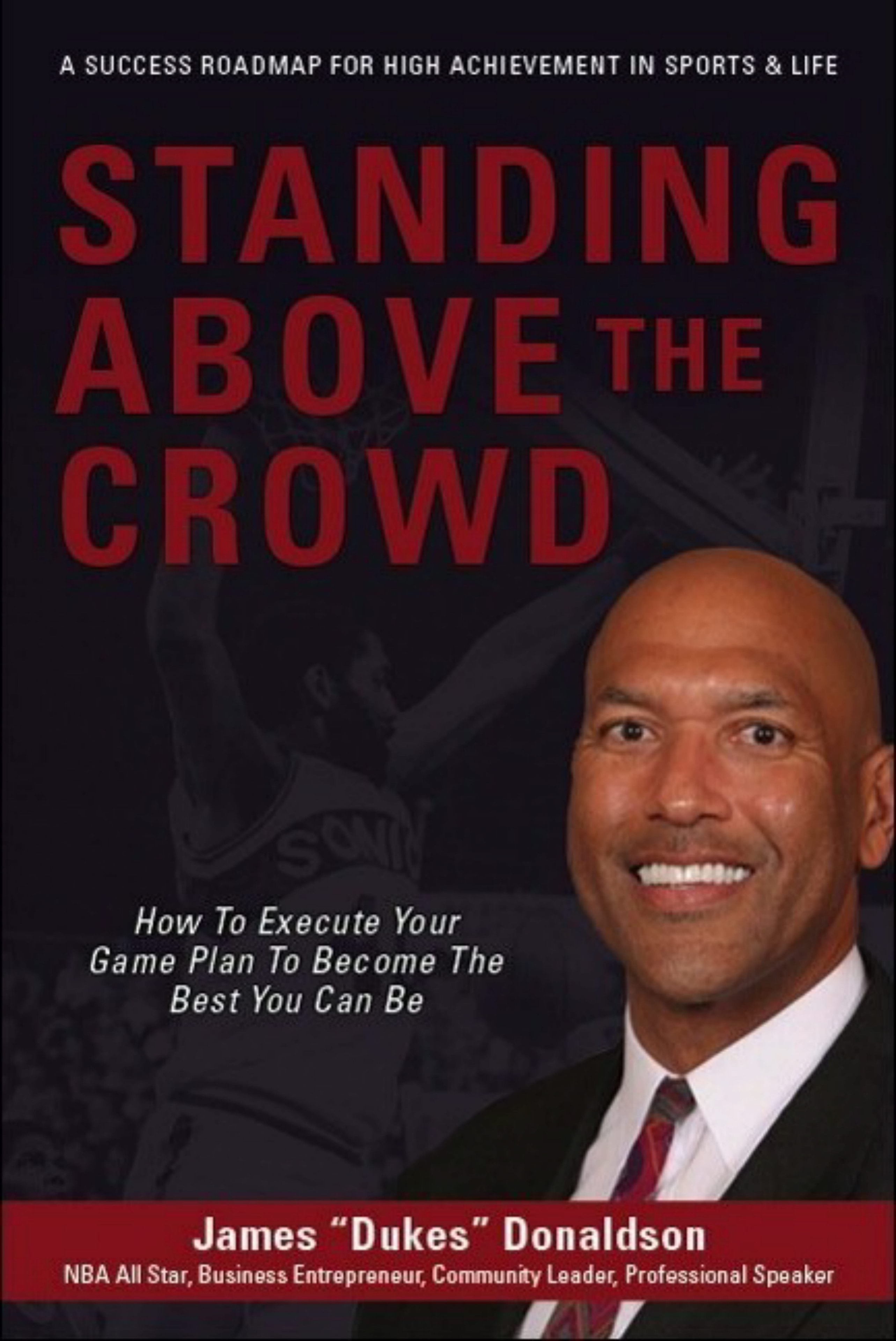
Standing Above the Crowd
Inspiring stories of resilience, hope, and mental wellness
Order & Get It Signed
James Donaldson
Author, Speaker & Mental Health Advocate · Standing Above the Crowd
James Donaldson is a former NBA All-Star (1988, Dallas Mavericks) who played 20 years of professional basketball with the Seattle SuperSonics, L.A. Clippers, Dallas Mavericks, New York Knicks, Utah Jazz, and teams across Europe, before touring with the Harlem Globetrotters. A Washington State University graduate inducted into both the Pac-10 and WSU Athletic Halls of Fame, James went on to found The Donaldson Clinic, an outpatient physical therapy practice he operated for nearly three decades. Today he devotes his time to mental health awareness and suicide prevention — speaking to organizations, schools, and youth groups — and is the author of Standing Above the Crowd and Celebrating Your Gift of Life (2021). James recently relocated to the Dallas, TX area and believes deeply in being a role model of success and professionalism for the young people he serves.