7 min read
What parents can do at home Supporting your child’s learning outside the classroom is key.
What parents can do at home Supporting your child’s learning outside the classroom is key.
Simple activities like reading, counting, or drawing together can help kids practice skills in a low-stress environment.
“Taking time to build enjoyment of reading by letting your child choose the books you read together” can help, says Dr.
Badaly, “Or even just helping them get used to how a book works, here’s the title, here’s the story.” Likewise, “math practice can be as simple as counting the apples when you’re making a pie together.” The point, she explains, is to make learning feel more natural and less fraught.
“All practice is good.” But she warns, parents should be careful not to overwhelm kids.
“You really want to approach learning in a fun and enthusiastic way instead of turning it into work, which can backfire and make kids feel less engaged, not more.“ Supporting kids’ self-esteem Learning differences can wreak havoc on kids’ confidence.
If you suspect your child is struggling in school, supporting their self-esteem can be a huge help, whether or not they’re ever diagnosed with an LD.
Learn more here about how help kids with learning challenges build self-esteem, gain confidence, and learn the skills they need to be more resilient when setbacks happen.
Frequently Asked Questions What are early signs of learning challenges?
What are some signs a child might develop learning challenges?
From the Author
Order today and James will personally sign your copy — a meaningful keepsake from an NBA All-Star and mental health advocate.
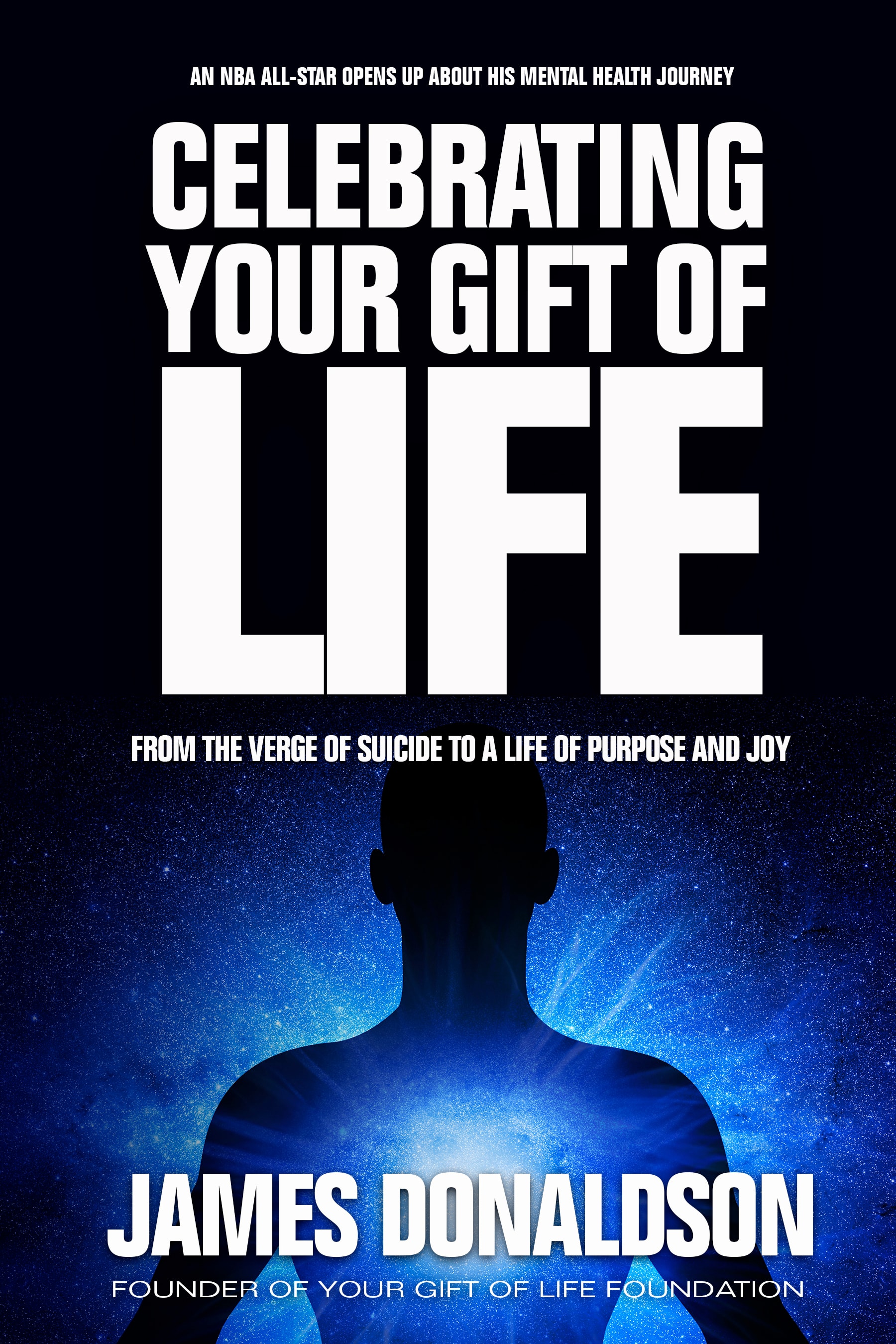
Celebrating Your Gift of Life
From the verge of suicide to a life of purpose and joy
Order & Get It Signed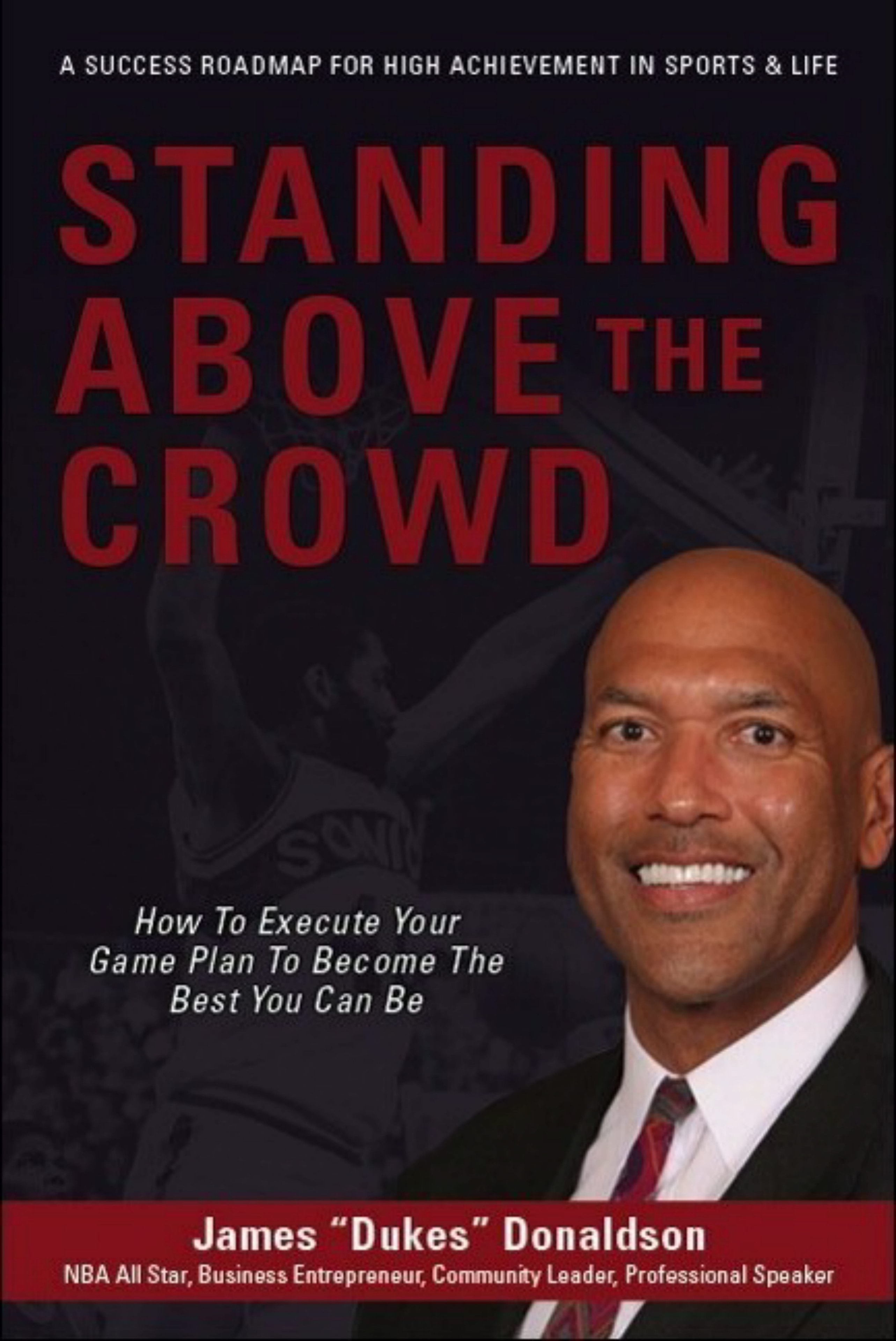
Standing Above the Crowd
Inspiring stories of resilience, hope, and mental wellness
Order & Get It Signed
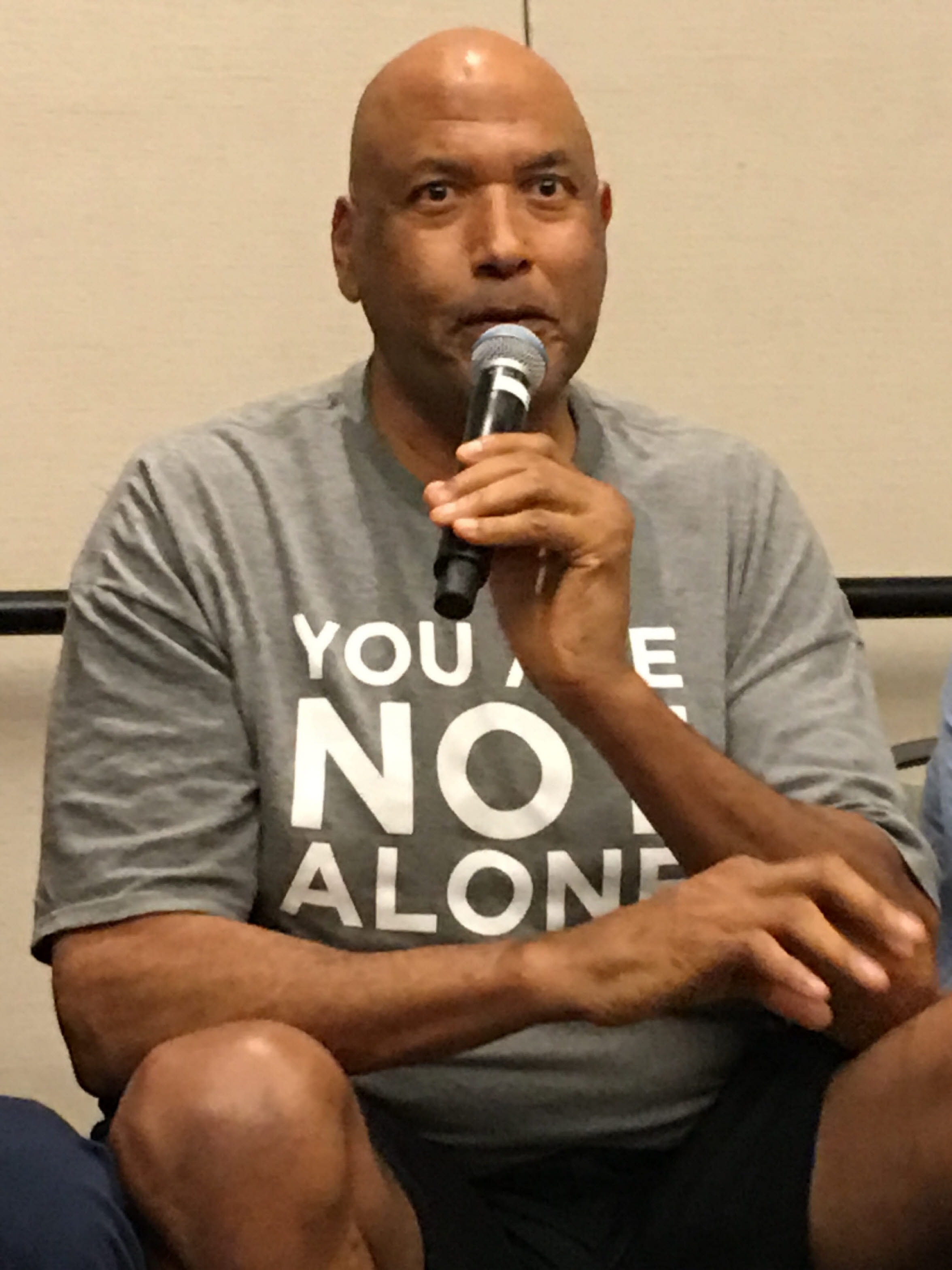
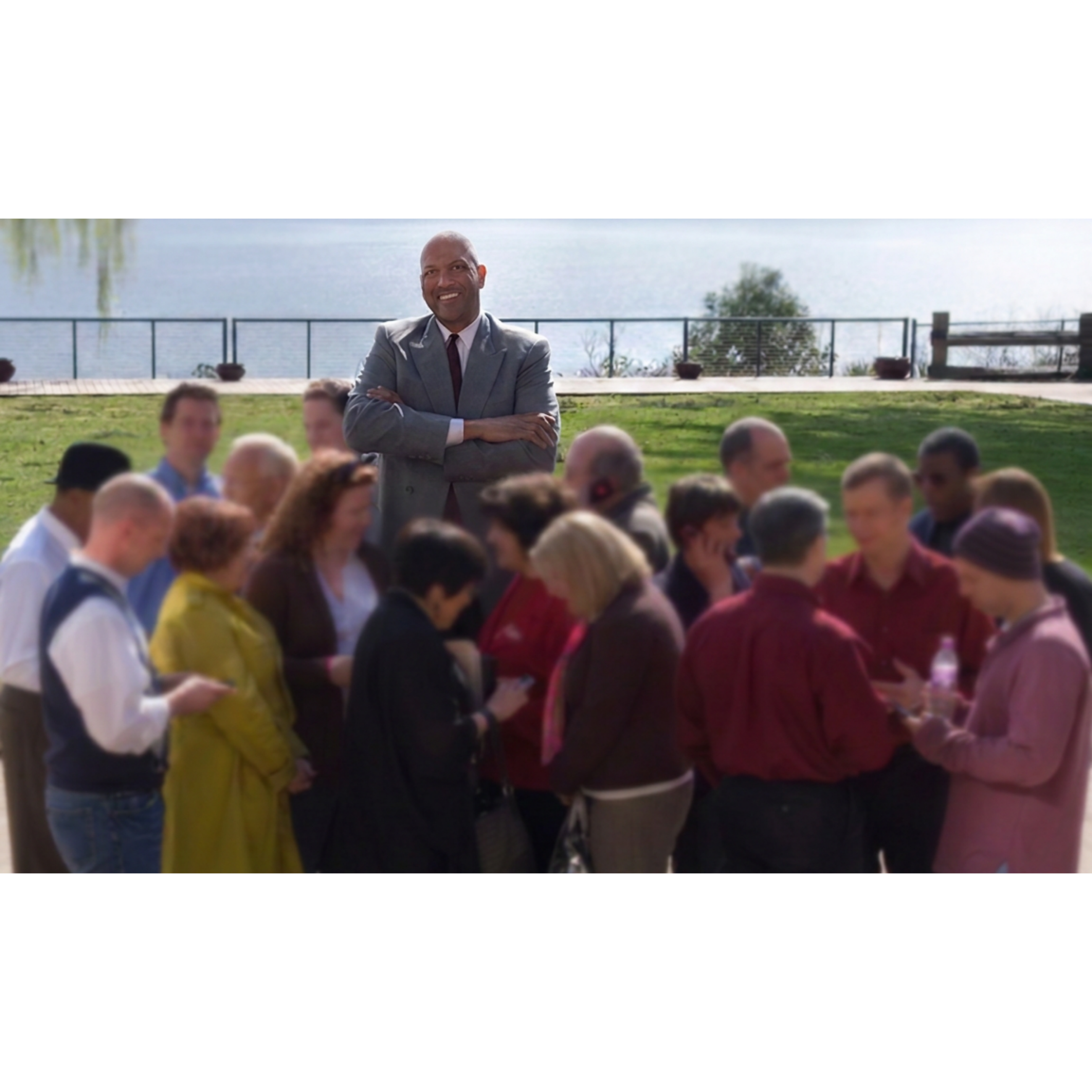
James Donaldson
Author, Speaker & Mental Health Advocate · Standing Above the Crowd
James Donaldson is a former NBA All-Star (1988, Dallas Mavericks) who played 20 years of professional basketball with the Seattle SuperSonics, L.A. Clippers, Dallas Mavericks, New York Knicks, Utah Jazz, and teams across Europe, before touring with the Harlem Globetrotters. A Washington State University graduate inducted into both the Pac-10 and WSU Athletic Halls of Fame, James went on to found The Donaldson Clinic, an outpatient physical therapy practice he operated for nearly three decades. Today he devotes his time to mental health awareness and suicide prevention — speaking to organizations, schools, and youth groups — and is the author of Standing Above the Crowd and Celebrating Your Gift of Life (2021). James recently relocated to the Dallas, TX area and believes deeply in being a role model of success and professionalism for the young people he serves.