7 min read
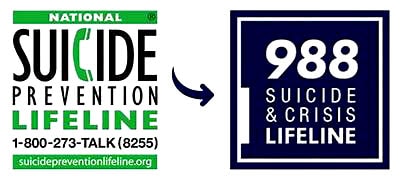
Here are five key things to know about the 988 Suicide & Crisis Lifeline in New York City: 1.
Here are five key things to know about the 988 Suicide & Crisis Lifeline in New York City: 1.
It could be a first step The 988 Suicide & Crisis Lifeline is increasingly being utilized as a “first step” for individuals facing a wide array of emotional challenges, moving beyond its traditional perception as a suicide-only hotline.
According to Vibrant Emotional Health, the line is available 24/7 for anyone dealing with substance misuse, anxiety, depression, loneliness, trauma or relationship stress.
Data indicates that only a small percentage of interactions actually require the activation of the 911 system for imminent life-threatening risks.
Studies suggest that simply speaking with trained 988 counselors significantly reduces feelings of depression and powerlessness, and the service acts as a judgment-free support system for everyday mental health struggles.
Stigma a primary barrier A 2024 city report revealed that one in four residents experience a mental health disorder annually, yet many decline professional care due to a belief that they should handle their problems alone.
This trend is particularly prevalent among teenagers, with 55% of those who needed care stating they felt they could manage without treatment, and 27% expressing fear that others would think badly of them if they sought help.
Similar patterns emerge in adult demographics, where 50% preferred self-management and 23% feared social judgment.
These findings suggest that public health officials must combat deep-seated social stigmas and the “danger” of residents feeling that seeking help is not worth the effort.
Staten Island’s North Shore shows more challenges While mental health challenges affect all five boroughs, data highlights specific geographic areas where the struggle is most acute.
From the Author
Order today and James will personally sign your copy — a meaningful keepsake from an NBA All-Star and mental health advocate.
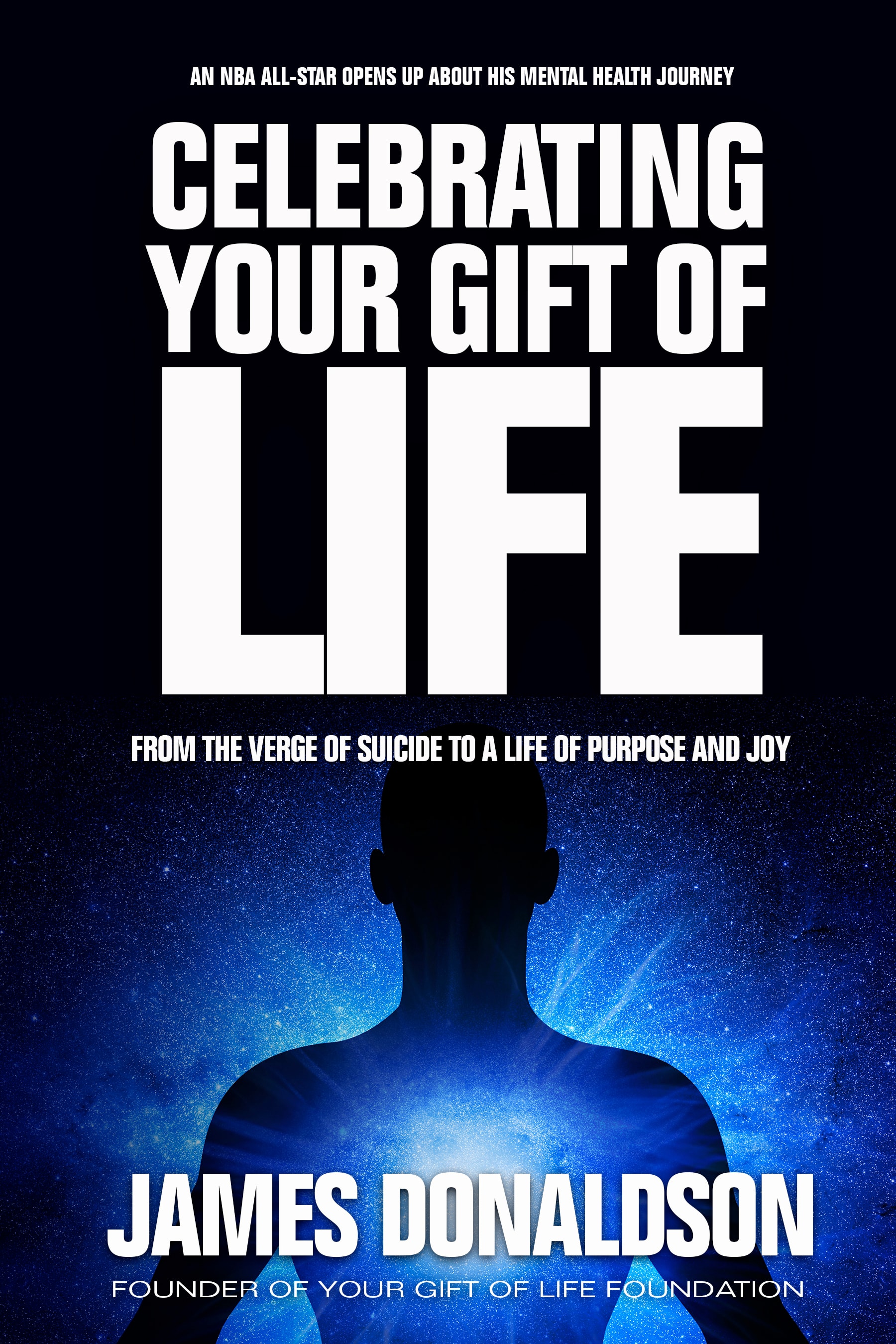
Celebrating Your Gift of Life
From the verge of suicide to a life of purpose and joy
Order & Get It Signed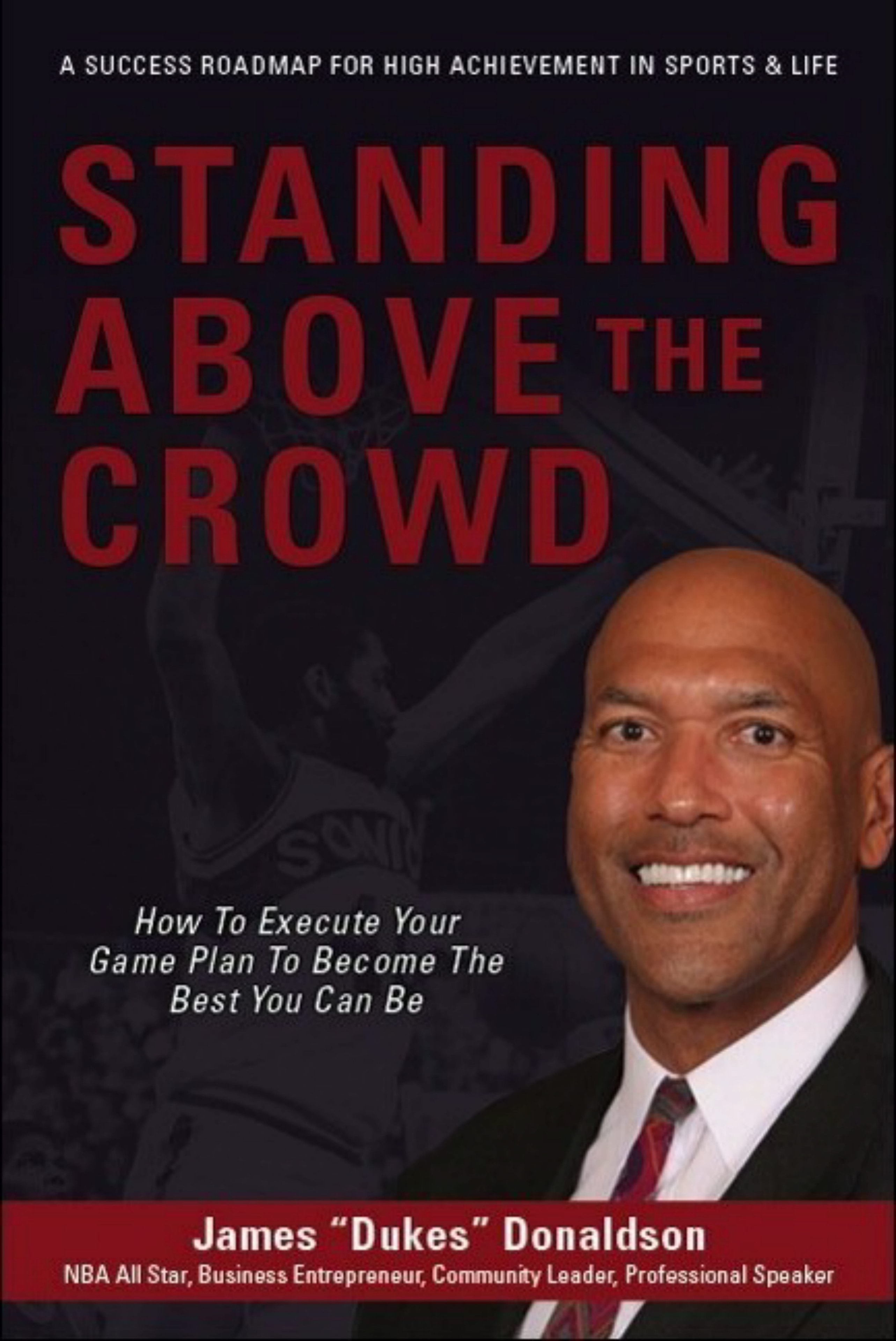
Standing Above the Crowd
Inspiring stories of resilience, hope, and mental wellness
Order & Get It Signed
James Donaldson
Author, Speaker & Mental Health Advocate · Standing Above the Crowd
James Donaldson is a former NBA All-Star (1988, Dallas Mavericks) who played 20 years of professional basketball with the Seattle SuperSonics, L.A. Clippers, Dallas Mavericks, New York Knicks, Utah Jazz, and teams across Europe, before touring with the Harlem Globetrotters. A Washington State University graduate inducted into both the Pac-10 and WSU Athletic Halls of Fame, James went on to found The Donaldson Clinic, an outpatient physical therapy practice he operated for nearly three decades. Today he devotes his time to mental health awareness and suicide prevention — speaking to organizations, schools, and youth groups — and is the author of Standing Above the Crowd and Celebrating Your Gift of Life (2021). James recently relocated to the Dallas, TX area and believes deeply in being a role model of success and professionalism for the young people he serves.