8 min read

Edited by Manasi Talwadekar Among young adults with suicidal ideation, factors associated with the use of crisis text services were female sex, minoritized sexual orientation, engagement with a mental
Edited by Manasi Talwadekar Among young adults with suicidal ideation, factors associated with the use of crisis text services were female sex, minoritized sexual orientation, engagement with a mental health provider, and prior hospitalizations.
Participants who never texted crisis lines faced barriers such as doubts about effectiveness and embarrassment.
METHODOLOGY: Researchers conducted a cross-sectional survey study in Oregon from August to December 2023 to identify characteristics linked to the use of crisis text services and barriers to use in young adults aged 18-24 years with suicidal ideation and financial stress.
Overall, 118 participants were recruited through community partners and social media advertisements; 76% of them identified having a minoritized gender or sexual orientation.
Participants completed an online survey with 38 closed-ended and two open-ended items, including questions about hospitalizations for suicidal thoughts, suicide attempts, mental health provider status, service use, decision-making factors for contacting crisis lines, and barriers preventing the use of the service.
Differences in demographic and healthcare characteristics between those who had ever texted crisis lines and those who had never were examined.
TAKEAWAY: When asked about disclosing suicidal ideation, participants most frequently told no one (69%), told a friend/boyfriend/girlfriend (64%), and texted/chatted with a crisis line (47%).
Female sex ( P = .019) and having a minoritized sexual orientation ( P = .048) were significantly associated with the use of crisis text services, whereas minoritized gender status, race, and urbanicity showed no significant association.
Having a mental health provider correlated with the use of crisis text services ( P = .010), as did prior hospitalization for suicidal ideation or suicide attempt ( P = .003).
Participants who had ever texted crisis lines (n = 55) most often reported using crisis text services because they had no one else to talk to (78%), felt like a burden to others (71%), and preferred anonymity (65%).
From the Author
Order today and James will personally sign your copy — a meaningful keepsake from an NBA All-Star and mental health advocate.
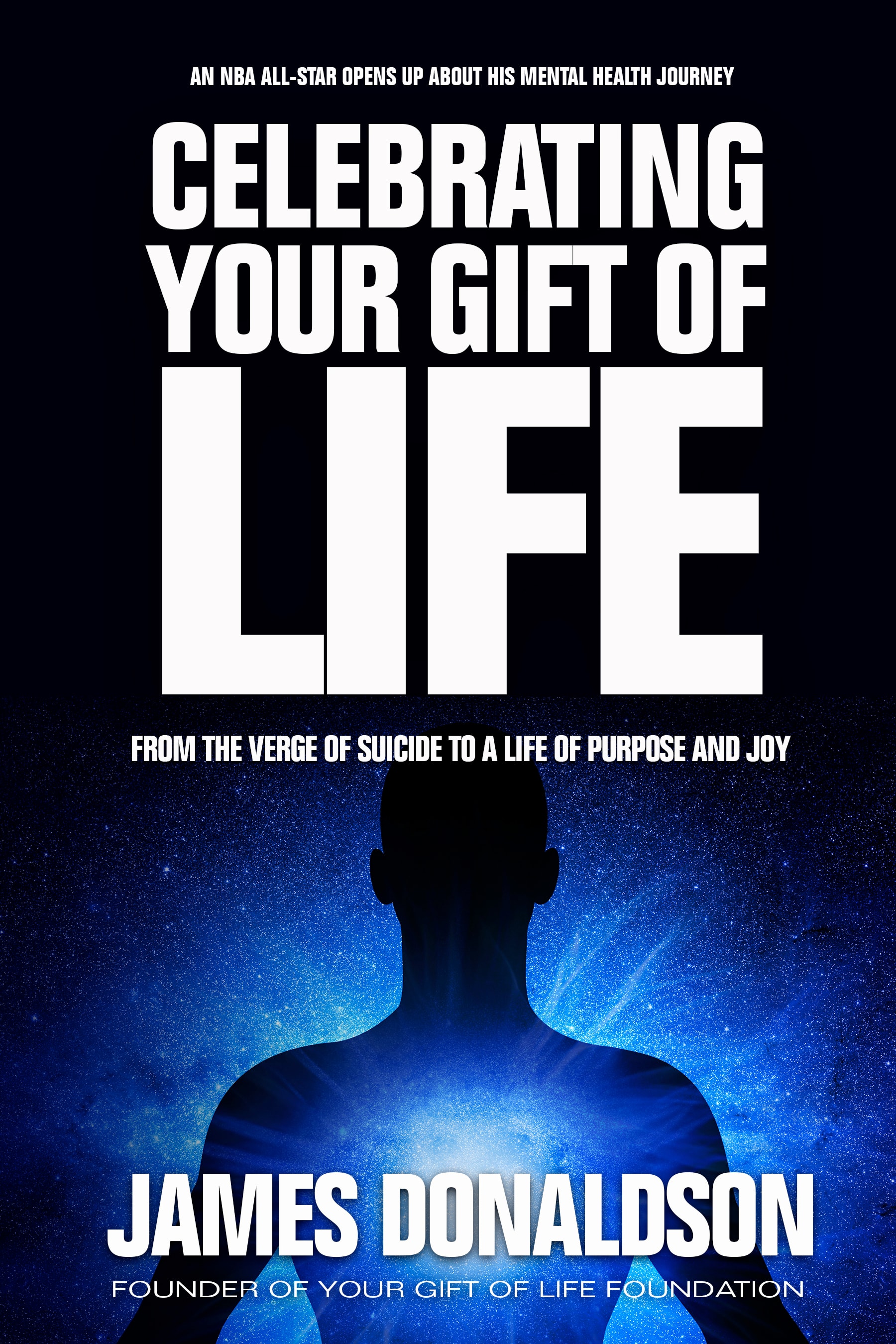
Celebrating Your Gift of Life
From the verge of suicide to a life of purpose and joy
Order & Get It Signed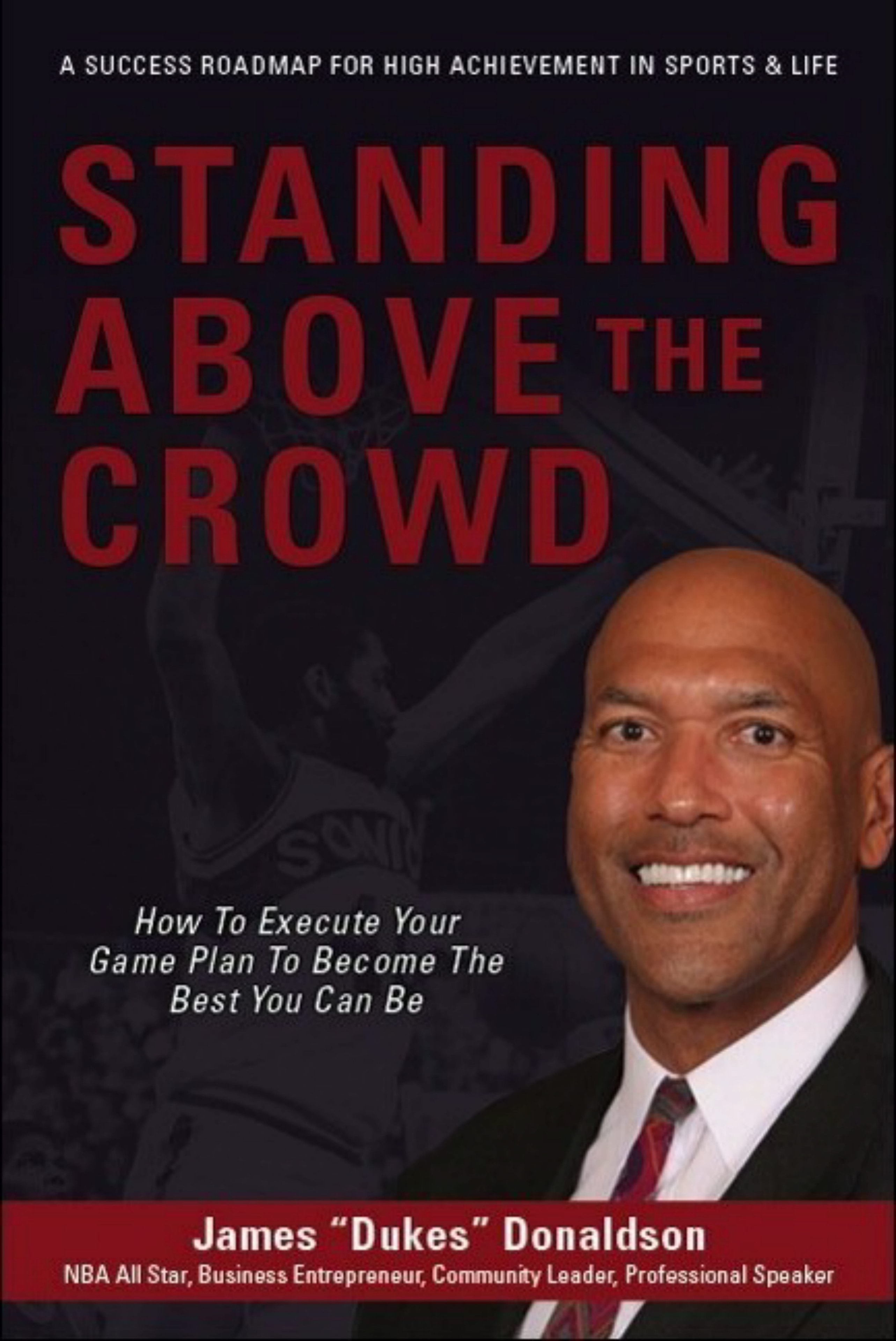
Standing Above the Crowd
Inspiring stories of resilience, hope, and mental wellness
Order & Get It Signed
James Donaldson
Author, Speaker & Mental Health Advocate · Standing Above the Crowd
James Donaldson is a former NBA All-Star (1988, Dallas Mavericks) who played 20 years of professional basketball with the Seattle SuperSonics, L.A. Clippers, Dallas Mavericks, New York Knicks, Utah Jazz, and teams across Europe, before touring with the Harlem Globetrotters. A Washington State University graduate inducted into both the Pac-10 and WSU Athletic Halls of Fame, James went on to found The Donaldson Clinic, an outpatient physical therapy practice he operated for nearly three decades. Today he devotes his time to mental health awareness and suicide prevention — speaking to organizations, schools, and youth groups — and is the author of Standing Above the Crowd and Celebrating Your Gift of Life (2021). James recently relocated to the Dallas, TX area and believes deeply in being a role model of success and professionalism for the young people he serves.