8 min read
Prevention as Restoration of Livability First, primary care is central.
Prevention as Restoration of Livability First, primary care is central.
Older men may see physicians more readily than psychotherapists.
Routine assessment should therefore include depression, pain, sleep, alcohol use, bereavement, loneliness , functional decline, perceived burdensomeness, and access to highly lethal means.
The conversation should be collaborative rather than paternalistic.
Second, prevention should protect autonomy.
Instead of saying, “You need help,” clinicians and relatives can ask, “What would make daily life feel more manageable again?” Shared decision-making , concrete problem-solving, and small domains of choice can reduce the experience of being controlled.
Third, belonging should be rebuilt before crisis.
Peer groups, bereavement groups, volunteering, intergenerational programs, and social prescribing—in which clinicians connect patients with community activities or supportive groups—can function as need-based interventions.
The evidence base for social prescribing is promising but heterogeneous; it should be used thoughtfully, not as a substitute for clinical care.
Fourth, prevention should restore competence.
From the Author
Order today and James will personally sign your copy — a meaningful keepsake from an NBA All-Star and mental health advocate.
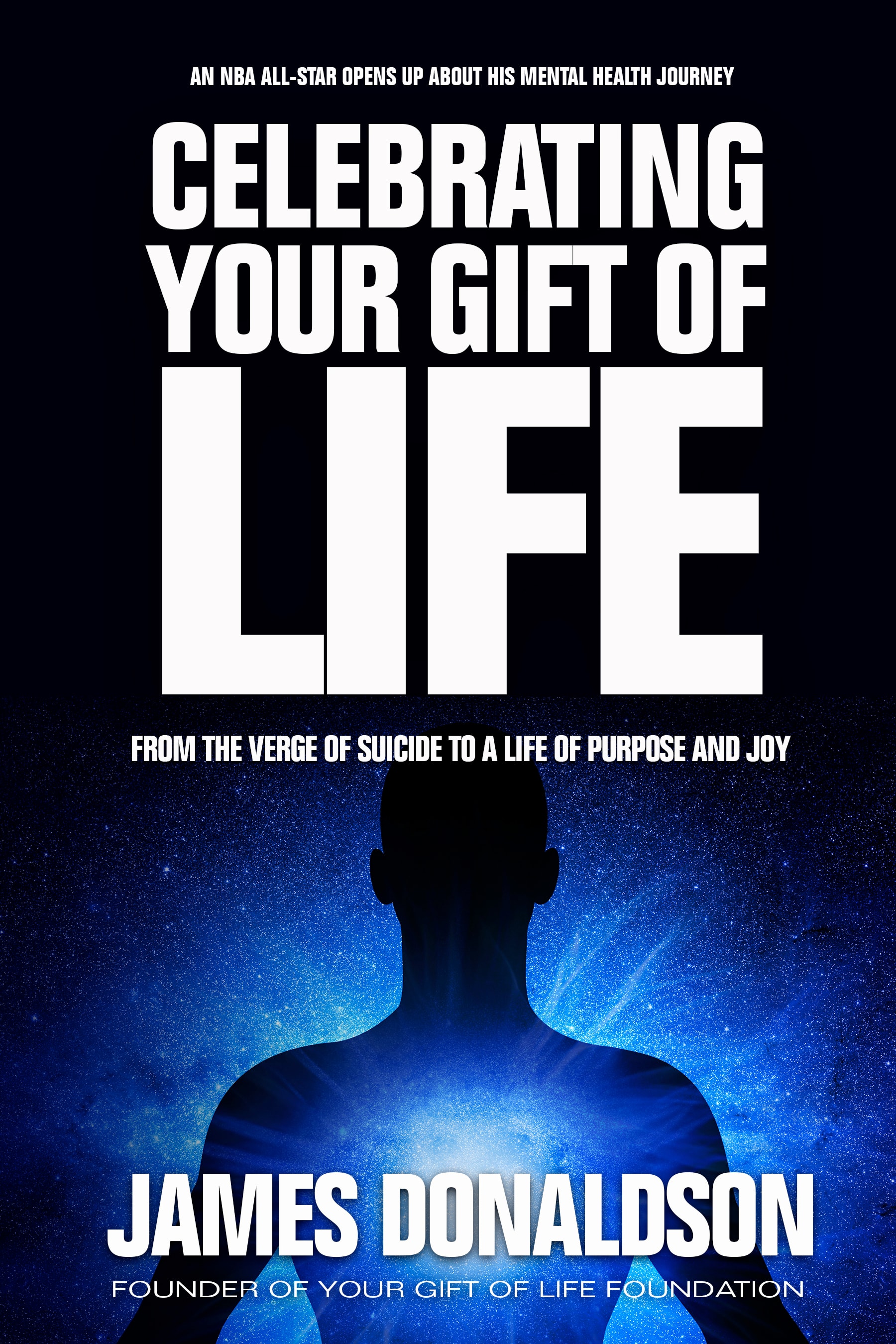
Celebrating Your Gift of Life
From the verge of suicide to a life of purpose and joy
Order & Get It Signed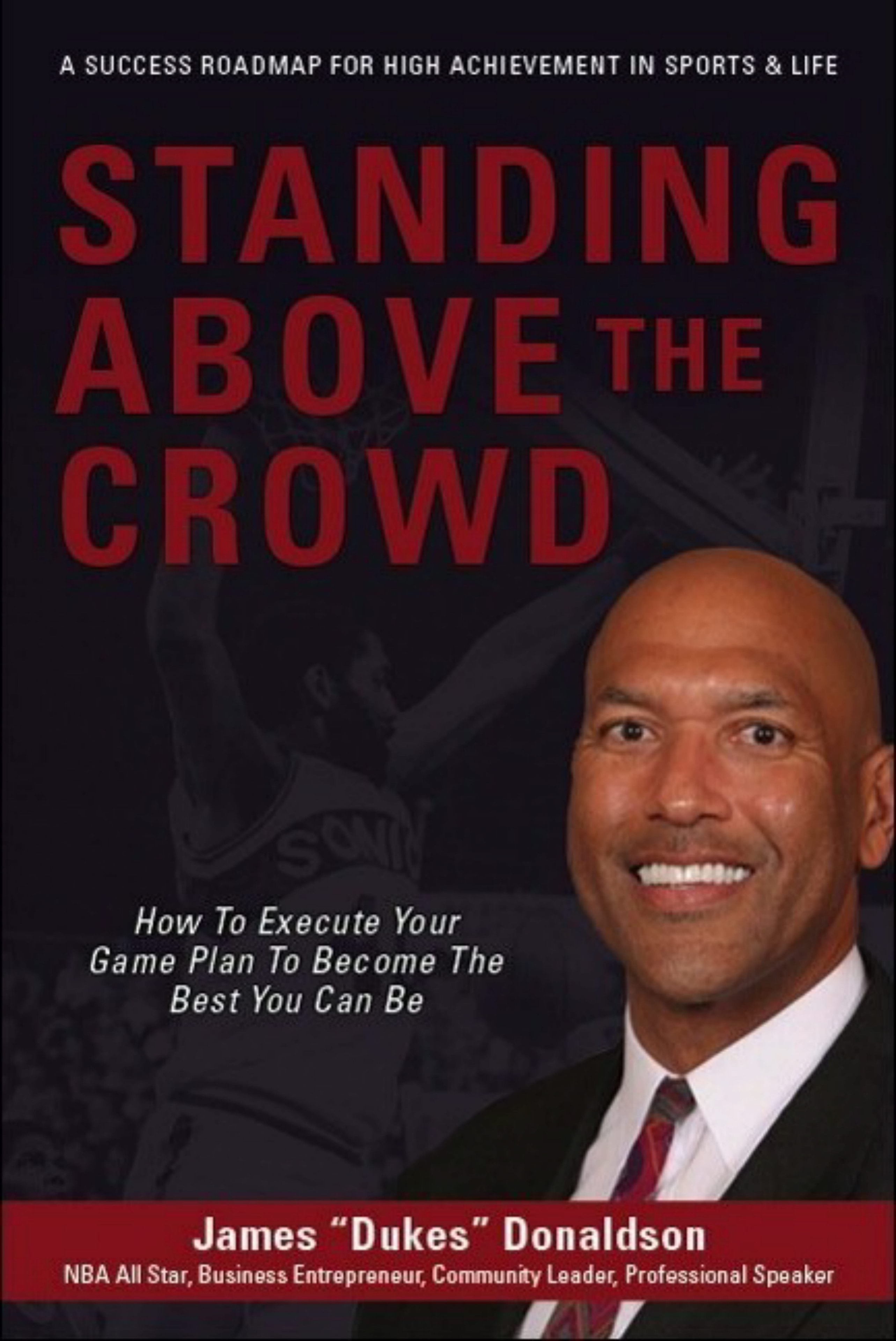
Standing Above the Crowd
Inspiring stories of resilience, hope, and mental wellness
Order & Get It Signed
James Donaldson
Author, Speaker & Mental Health Advocate · Standing Above the Crowd
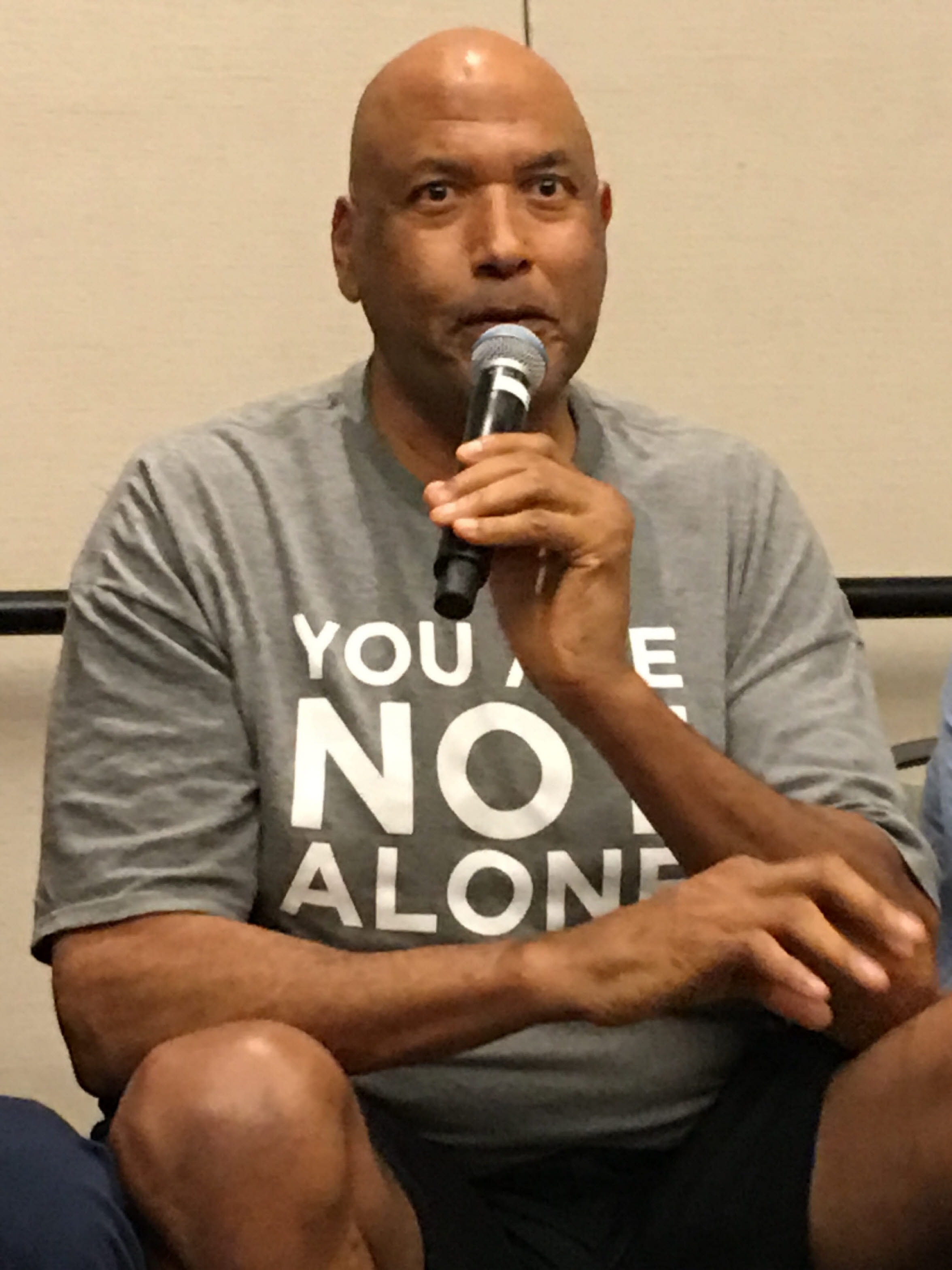
James Donaldson is a former NBA All-Star (1988, Dallas Mavericks) who played 20 years of professional basketball with the Seattle SuperSonics, L.A. Clippers, Dallas Mavericks, New York Knicks, Utah Jazz, and teams across Europe, before touring with the Harlem Globetrotters. A Washington State University graduate inducted into both the Pac-10 and WSU Athletic Halls of Fame, James went on to found The Donaldson Clinic, an outpatient physical therapy practice he operated for nearly three decades. Today he devotes his time to mental health awareness and suicide prevention — speaking to organizations, schools, and youth groups — and is the author of Standing Above the Crowd and Celebrating Your Gift of Life (2021). James recently relocated to the Dallas, TX area and believes deeply in being a role model of success and professionalism for the young people he serves.