8 min read
In Australia, men are three times more likely to die by suicide than women.
In Australia, men are three times more likely to die by suicide than women.
A study undertaken by Griffith University researchers explored the intersections of men, suicide and child sexual abuse, revealing the lifelong impacts of adverse childhood experiences on adult survivors’ mental health and suicide risk.
Professor Patrick O’Leary , Co-Director of the Griffith University Disrupting Violence Beacon and Chief Investigator for the ARC Centre of Excellence for the Elimination of Violence Against Women , led the research which analysed 47 recent studies in international peer reviewed journals on child sexual abuse and suicidality in adulthood.
“In a quarter of the studies, a clear and direct link between child sexual abuse and suicidality was found.
“Several studies reported child sexual abuse was, over and above other forms of maltreatment, linked to suicidality.” Professor O’Leary said.
There were several factors that potentially differentiated men’s experience of child sexual abuse from women.
Male survivors experienced up to ten times the rate of suicidality compared to community populations and took longer to disclose and seek help than women.
They often engaged in externalising behaviour such as alcohol and drug use to deal with their trauma.
Other research showed male survivors can struggle with shame and stigma, with some adopting a hypermasculine persona in which they display risk-taking and aggression.
The research aligned with the experience of those who accessed support through Survivors and Mates Support Network , one of Australia’s leading organisations for male survivors of child sexual abuse.
From the Author
Order today and James will personally sign your copy — a meaningful keepsake from an NBA All-Star and mental health advocate.
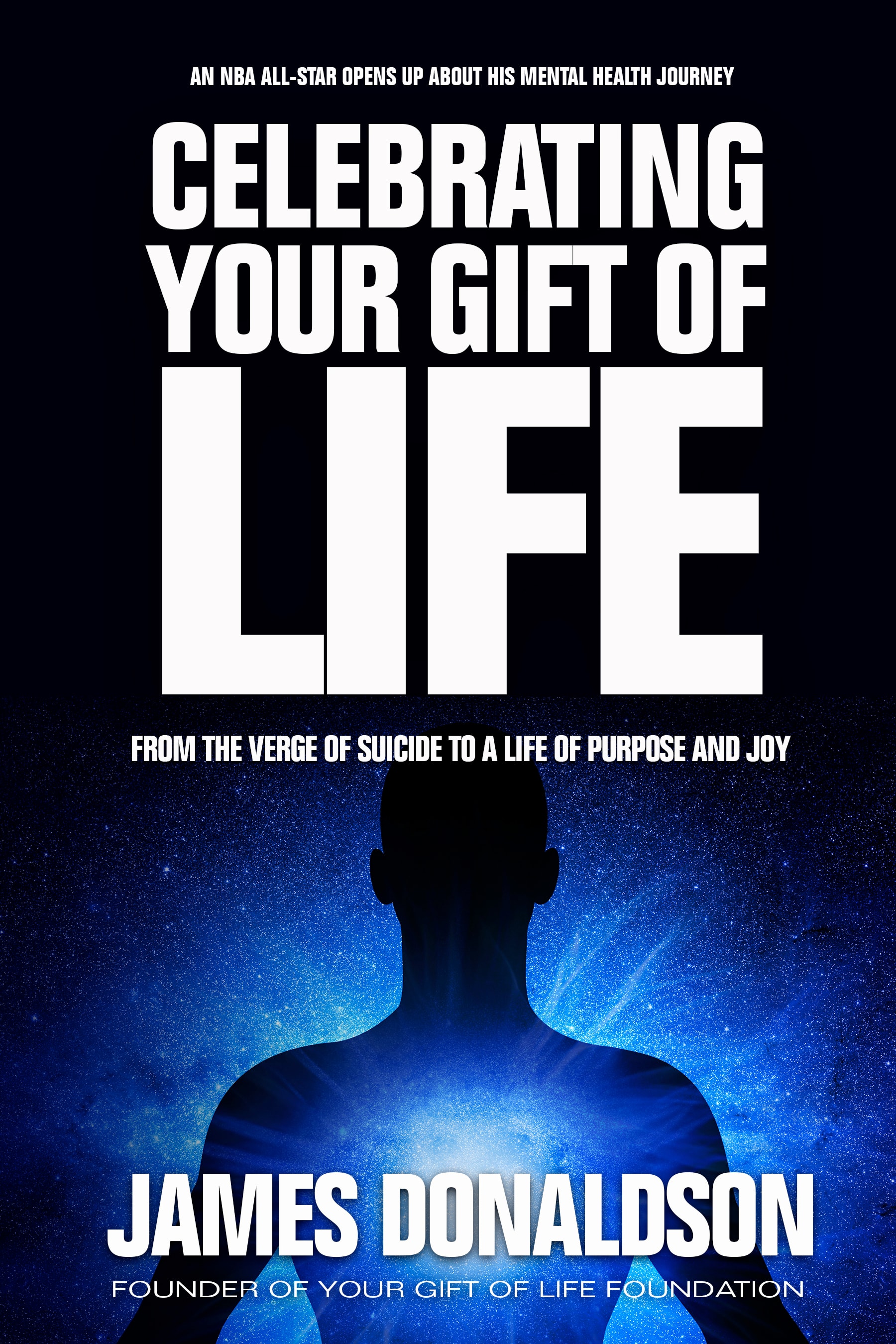
Celebrating Your Gift of Life
From the verge of suicide to a life of purpose and joy
Order & Get It Signed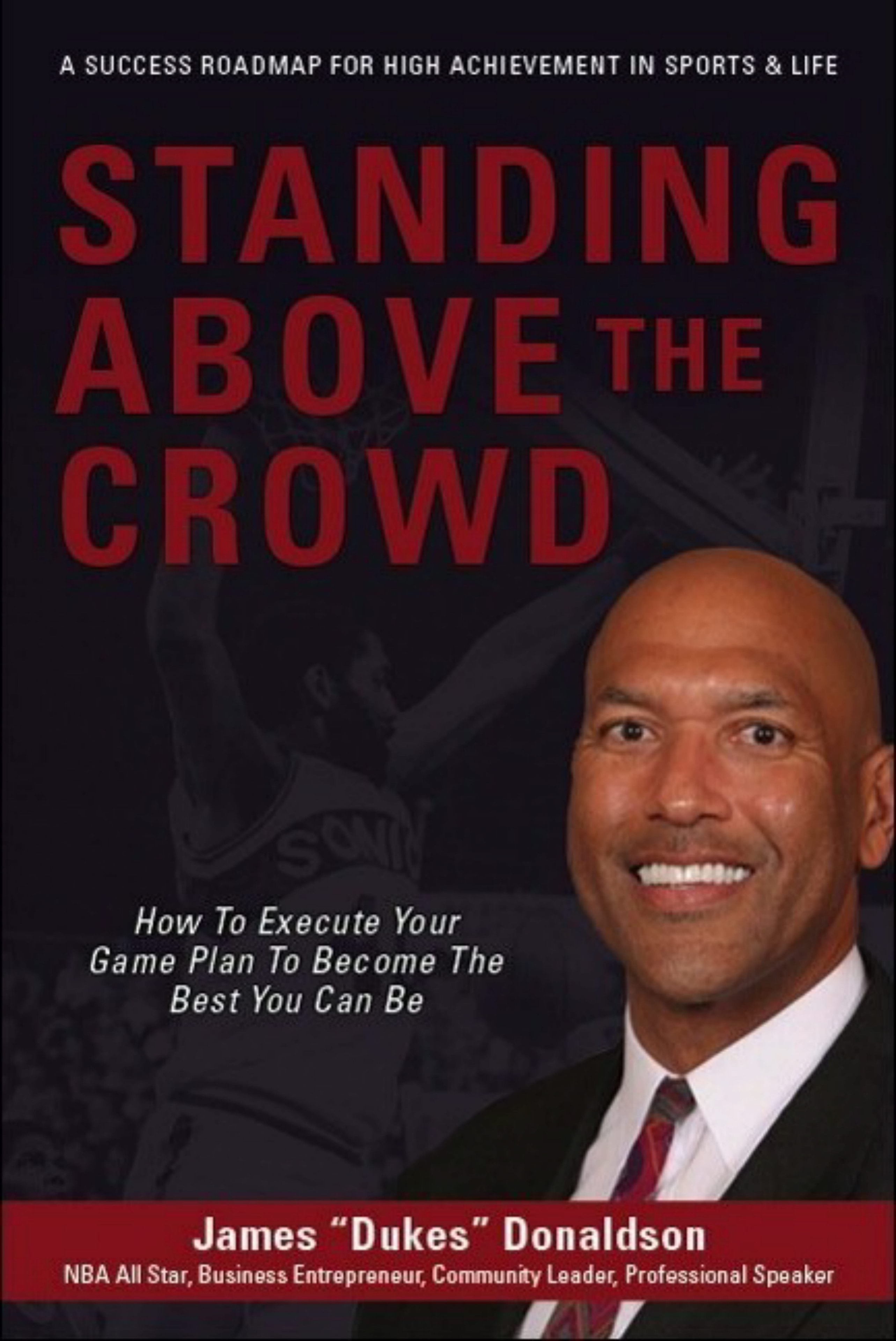
Standing Above the Crowd
Inspiring stories of resilience, hope, and mental wellness
Order & Get It Signed
James Donaldson
Author, Speaker & Mental Health Advocate · Standing Above the Crowd
James Donaldson is a former NBA All-Star (1988, Dallas Mavericks) who played 20 years of professional basketball with the Seattle SuperSonics, L.A. Clippers, Dallas Mavericks, New York Knicks, Utah Jazz, and teams across Europe, before touring with the Harlem Globetrotters. A Washington State University graduate inducted into both the Pac-10 and WSU Athletic Halls of Fame, James went on to found The Donaldson Clinic, an outpatient physical therapy practice he operated for nearly three decades. Today he devotes his time to mental health awareness and suicide prevention — speaking to organizations, schools, and youth groups — and is the author of Standing Above the Crowd and Celebrating Your Gift of Life (2021). James recently relocated to the Dallas, TX area and believes deeply in being a role model of success and professionalism for the young people he serves.