8 min read

At the ANU Centre for Mental Health Research, Batterham’s LifeTrack study , a three-year project following 842 participants, is investigating how people transition between suicidal thoughts, attempts,
At the ANU Centre for Mental Health Research, Batterham’s LifeTrack study , a three-year project following 842 participants, is investigating how people transition between suicidal thoughts, attempts, and recovery.
“If somebody has suicidal thoughts, that in most cases will not mean that they’re going to attempt suicide,” Batterham says.
“The vast majority, well over 90 per cent, will not die by suicide.
If we can provide support early, we can change trajectories.
Suicide is preventable in most cases.” Early findings from the LifeTrack study suggest that those who disclose to trusted people are more likely to engage with professional care.
There’s stigma – society’s negative views becoming internalised as shame.
There’s fear of consequences: being involuntarily hospitalised, losing autonomy.
“There’s some validity to that concern,” Batterham acknowledges.
“There have been historical practices that have reduced people’s autonomy when they are feeling suicidal.” Then there are past bad experiences.
Many who’ve disclosed before were met with dismissal or discomfort that made things worse.
From the Author
Order today and James will personally sign your copy — a meaningful keepsake from an NBA All-Star and mental health advocate.
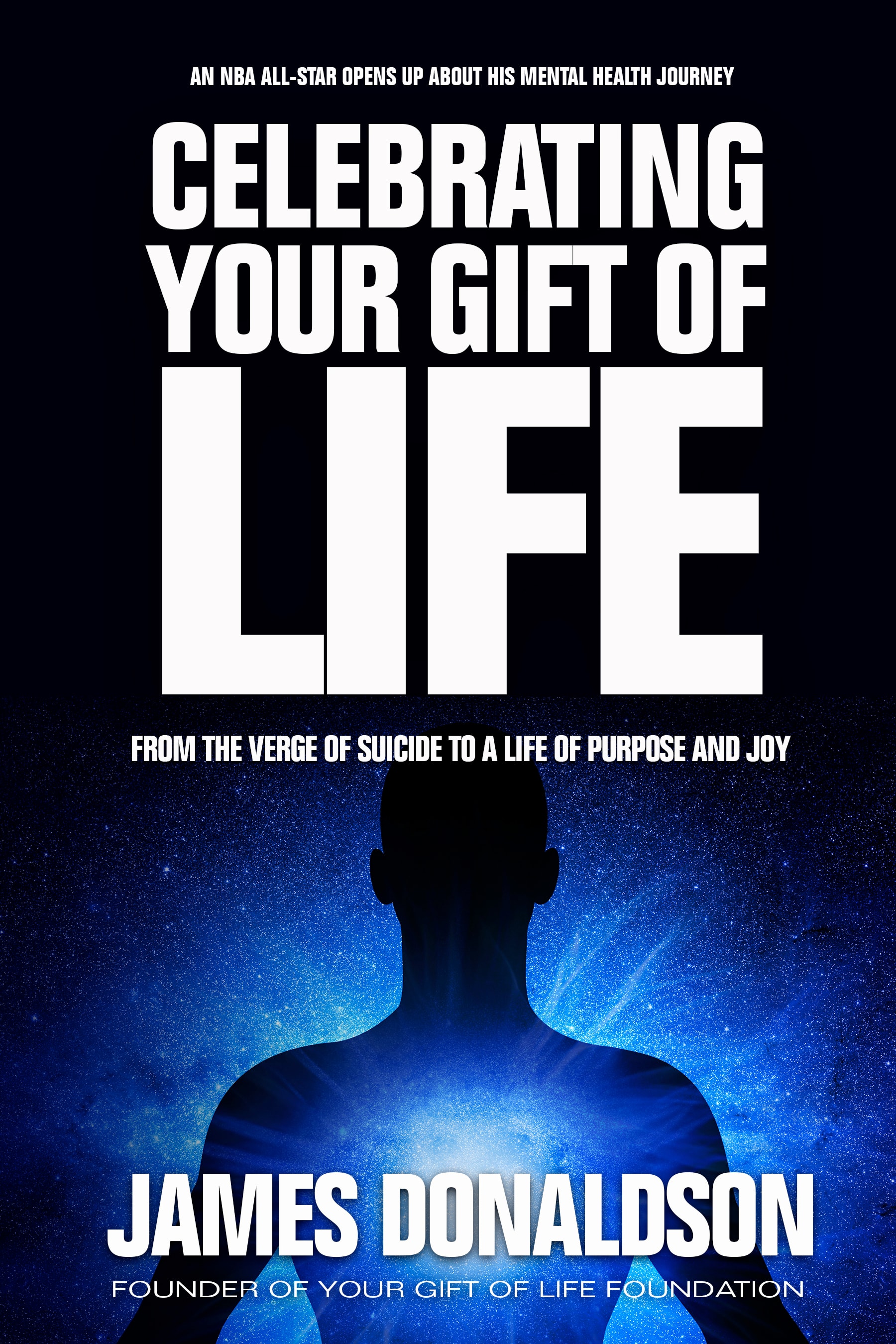
Celebrating Your Gift of Life
From the verge of suicide to a life of purpose and joy
Order & Get It Signed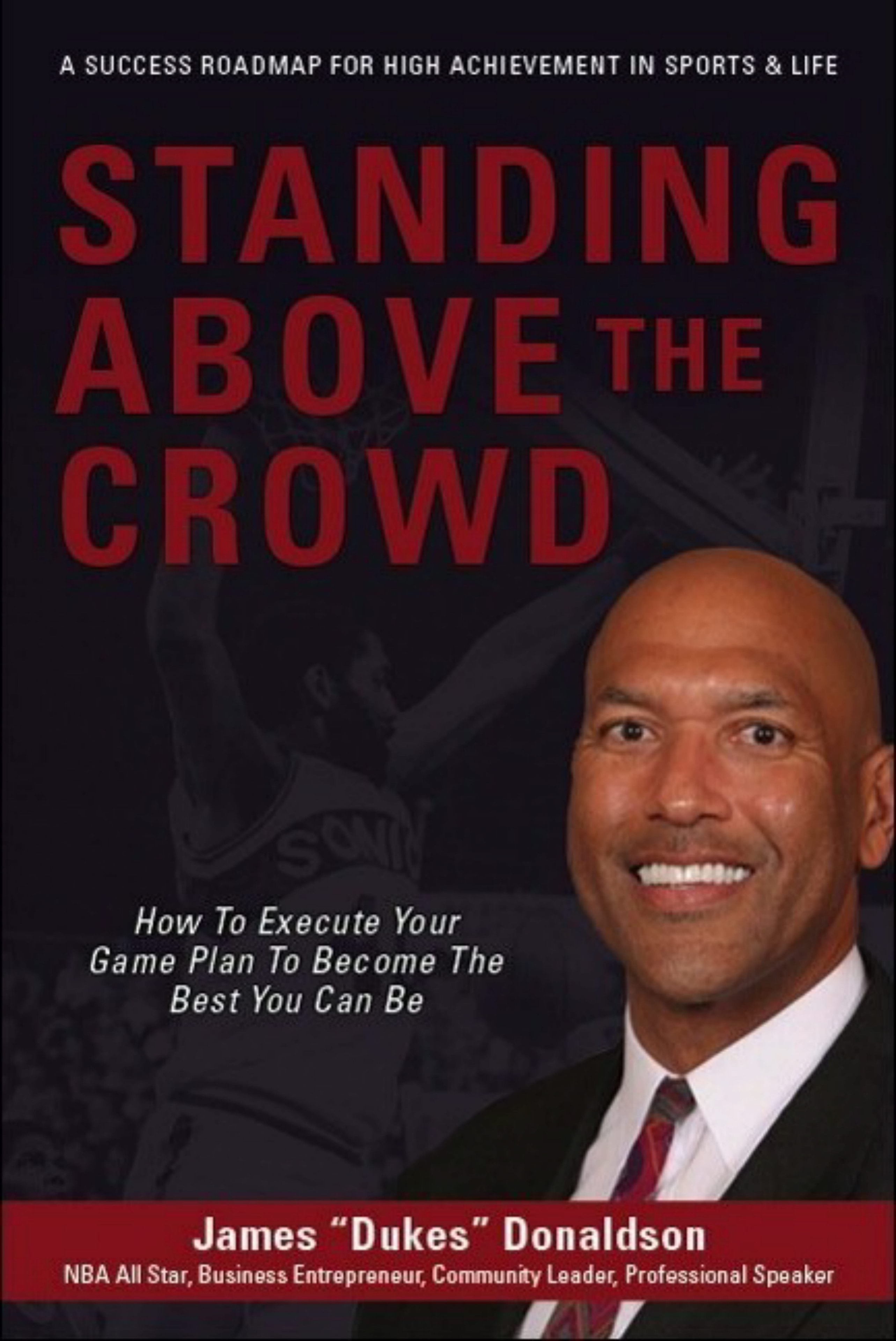
Standing Above the Crowd
Inspiring stories of resilience, hope, and mental wellness
Order & Get It Signed
James Donaldson
Author, Speaker & Mental Health Advocate · Standing Above the Crowd
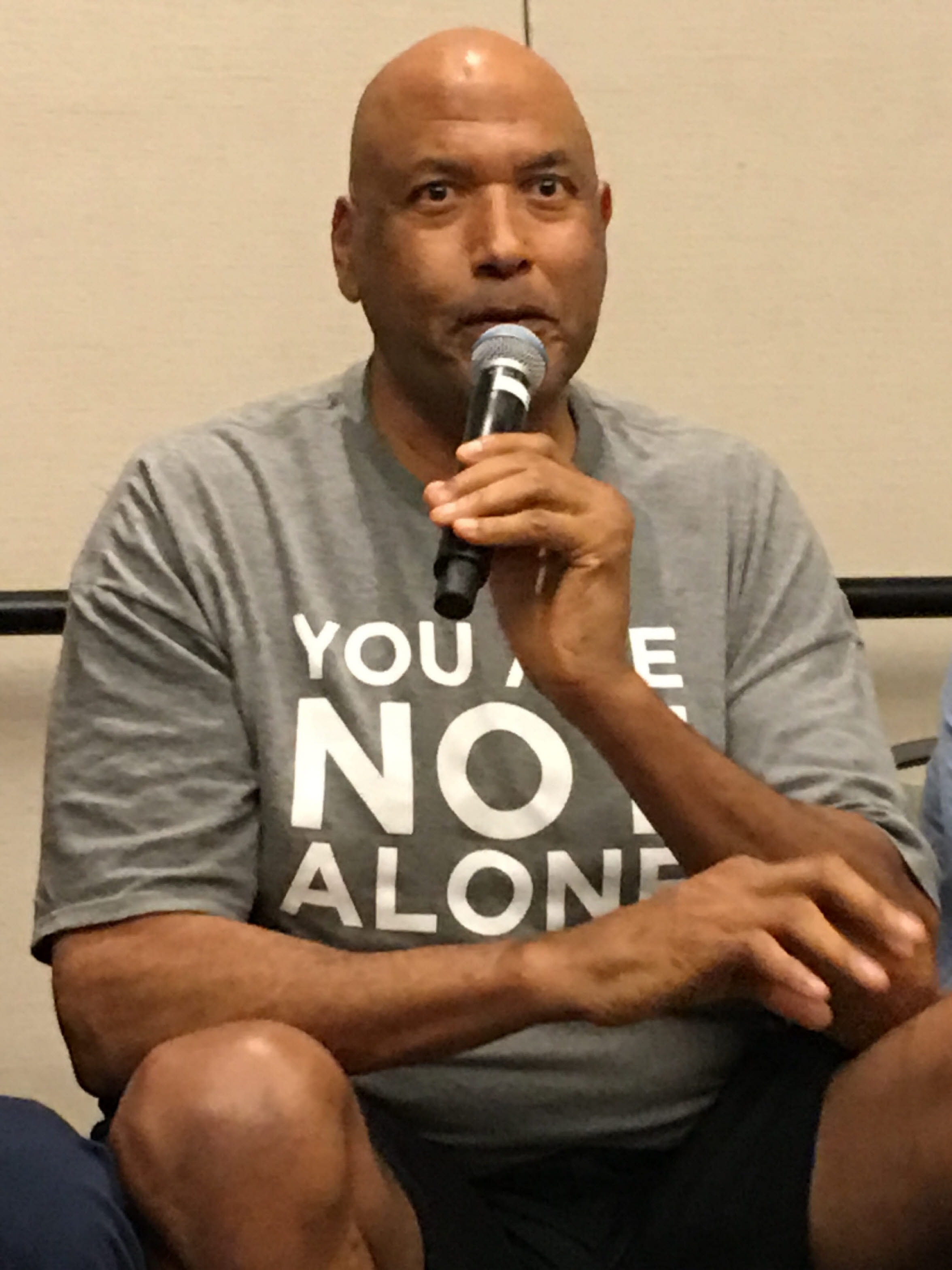
James Donaldson is a former NBA All-Star (1988, Dallas Mavericks) who played 20 years of professional basketball with the Seattle SuperSonics, L.A. Clippers, Dallas Mavericks, New York Knicks, Utah Jazz, and teams across Europe, before touring with the Harlem Globetrotters. A Washington State University graduate inducted into both the Pac-10 and WSU Athletic Halls of Fame, James went on to found The Donaldson Clinic, an outpatient physical therapy practice he operated for nearly three decades. Today he devotes his time to mental health awareness and suicide prevention — speaking to organizations, schools, and youth groups — and is the author of Standing Above the Crowd and Celebrating Your Gift of Life (2021). James recently relocated to the Dallas, TX area and believes deeply in being a role model of success and professionalism for the young people he serves.