8 min read

Author(s) Celeste Krewson, Assistant Editor Key Takeaways Prior self-harm was the strongest predictor of suicide, with an odds ratio of 16.40, underscoring the need for close follow-up and interventio
Author(s) Celeste Krewson, Assistant Editor Key Takeaways Prior self-harm was the strongest predictor of suicide, with an odds ratio of 16.40, underscoring the need for close follow-up and intervention after deliberate self-harm.
Recent psychiatric care, traumatic brain injury, violence exposure, and educational or occupational problems were significantly associated with increased suicide risk among Black youth enrolled in Medicaid.
Family and contextual stressors—including abuse or neglect, relational conflict, economic hardship, and high social vulnerability— were more common among suicide decedents, highlighting the importance of multi-level prevention strategies.
A study highlights prior self-harm, traumatic brain injury, family instability, and social vulnerability as major risk factors associated with suicide among Black youth.
Risk factors driving rising suicide rates among Black youth identified Researchers have identified factors contributing to the significant rise in suicide rates among Black youth, publishing their findings in JAMA Network Open.
1 These factors include depression, brain injury, exposure to violence, and more.
Prior self-harm was the most common risk factor among Black youth committing suicide, with a prevalence of 56.4% This indicates a critical avenue of follow-up to decrease the odds of suicide in this population.
1 “We focused on a Medicaid population because Black youth are disproportionately covered by Medicaid compared to other child populations,” said Cynthia Fontanella, PhD, principal investigator at Nationwide Children’s Hospital.
1 Assessing suicide risk factors in Black youth The population-based matched case-control study was conducted to provide a deeper understanding of intragroup patterns and correlates of suicide among Black youth.
2 Participants included non-Hispanic Black patients aged 9 to 24 years with Medicaid enrollment between January 1, 2010, and December 31, 2019.
From the Author
Order today and James will personally sign your copy — a meaningful keepsake from an NBA All-Star and mental health advocate.
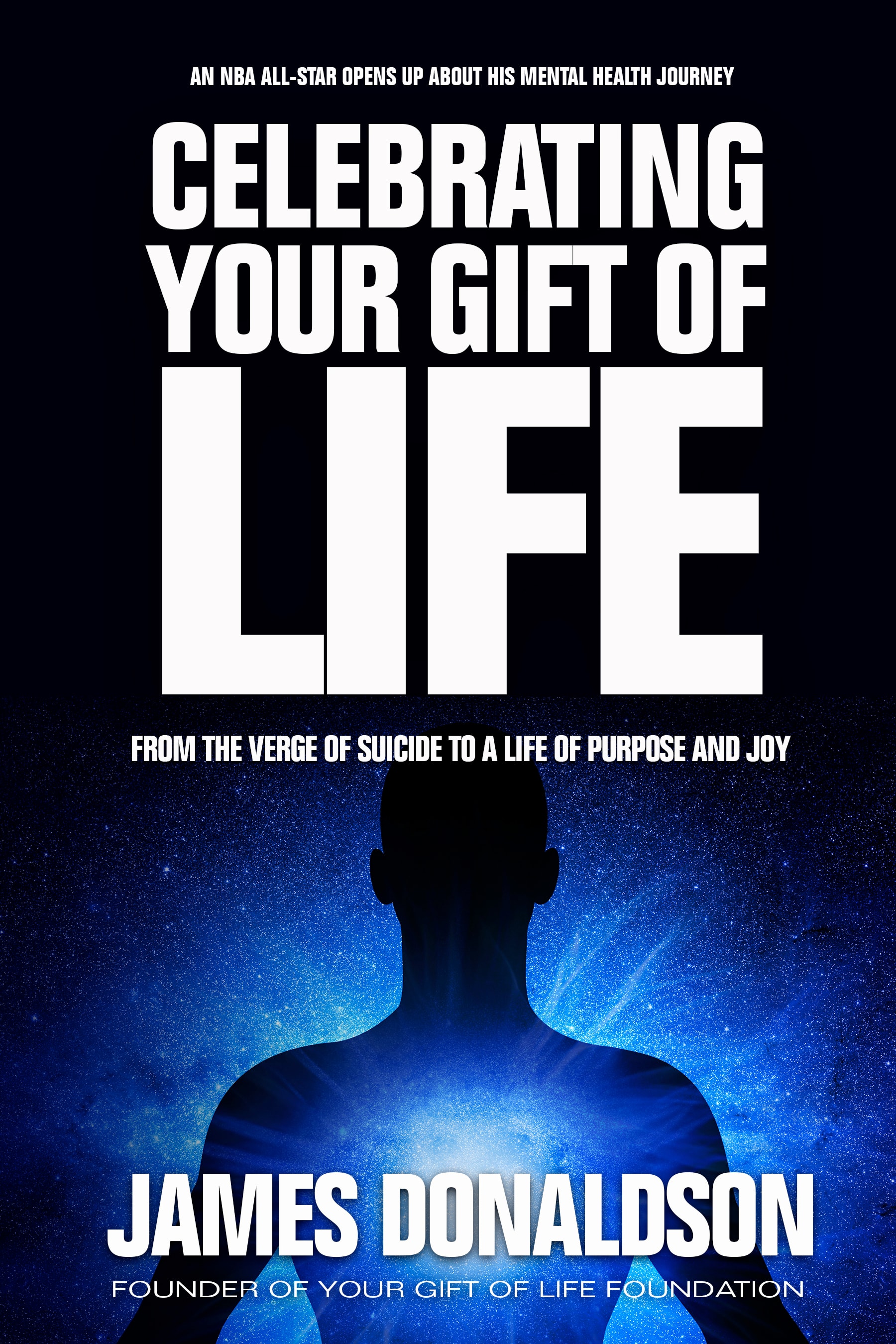
Celebrating Your Gift of Life
From the verge of suicide to a life of purpose and joy
Order & Get It Signed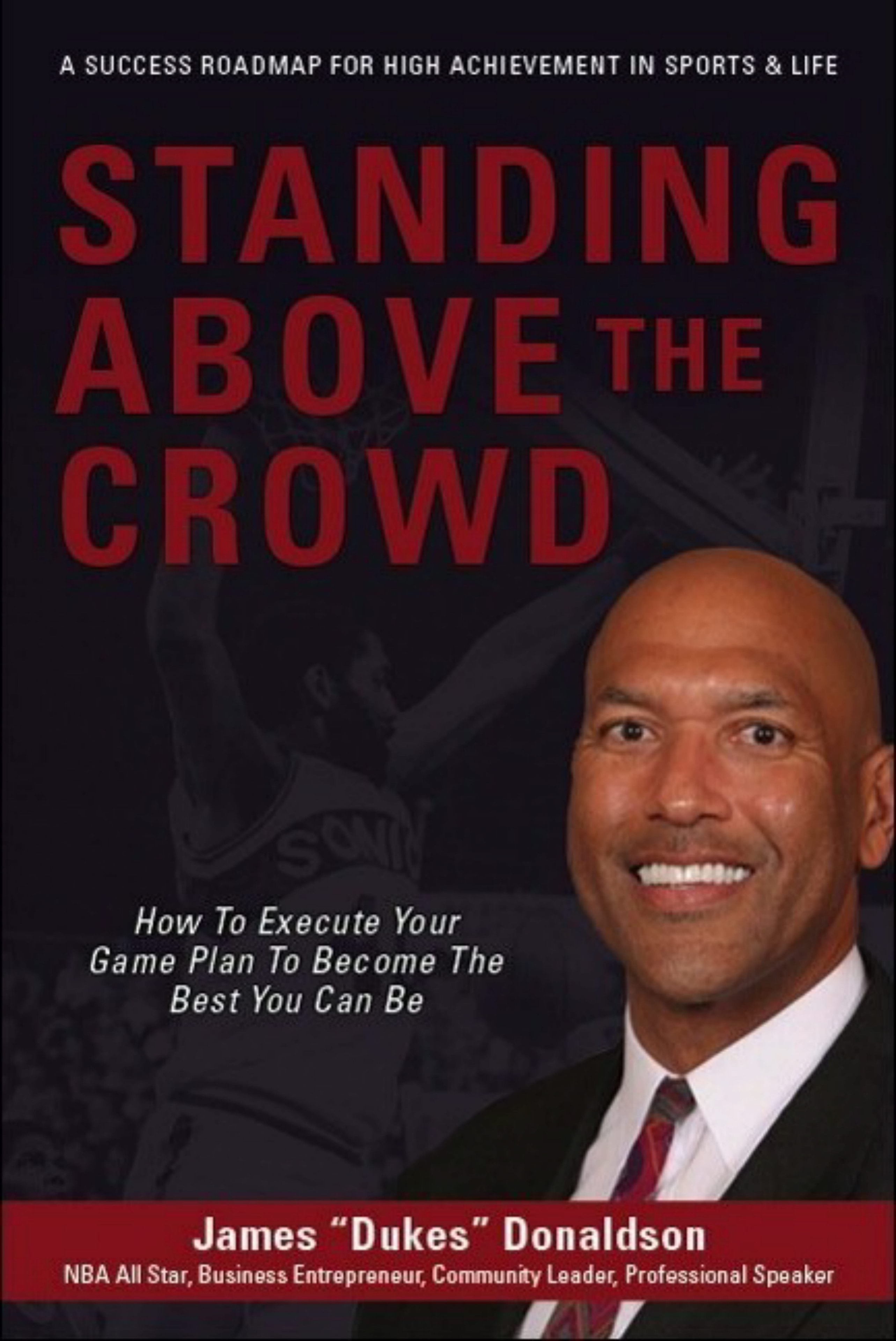
Standing Above the Crowd
Inspiring stories of resilience, hope, and mental wellness
Order & Get It Signed
James Donaldson
Author, Speaker & Mental Health Advocate · Standing Above the Crowd
James Donaldson is a former NBA All-Star (1988, Dallas Mavericks) who played 20 years of professional basketball with the Seattle SuperSonics, L.A. Clippers, Dallas Mavericks, New York Knicks, Utah Jazz, and teams across Europe, before touring with the Harlem Globetrotters. A Washington State University graduate inducted into both the Pac-10 and WSU Athletic Halls of Fame, James went on to found The Donaldson Clinic, an outpatient physical therapy practice he operated for nearly three decades. Today he devotes his time to mental health awareness and suicide prevention — speaking to organizations, schools, and youth groups — and is the author of Standing Above the Crowd and Celebrating Your Gift of Life (2021). James recently relocated to the Dallas, TX area and believes deeply in being a role model of success and professionalism for the young people he serves.