8 min read
The likelihood goes up when people have access to lethal means, have a family history of suicide, or have endured personal trauma.
The likelihood goes up when people have access to lethal means, have a family history of suicide, or have endured personal trauma.
People who are unemployed or experiencing financial distress are at higher risk, as are those who are chronically ill or in pain.
We also see higher rates of suicide among middle-aged men or people who are experiencing gambling addiction.
Although these factors increase a person’s risk, taken alone they are only weak to moderate in their ability to precisely predict who may die by suicide.
Clusters of factors taken together may hold more weight but should certainly not be seen as inevitable.
When assessing someone’s risk for suicide, it’s also important to consider what we call “protective factors” such as their safety supports, whether they are receiving treatment for a mental disorder, and their level of social support also.
That is why the Butler County Mental Health and Addiction Recovery Services Board funds programs that will reduce the risk factors.
For example, the Butler County Crisis Hotline is available 24/7, 365 for people in crisis.
The Mobile Crisis Team goes directly to the people in need.
We also support a number of providers in our local system who specialize in strengthening protective factors through counseling, treatment, peer support and education – and offer a sliding scale fee to support county residents who need financial assistance for services.
From the Author
Order today and James will personally sign your copy — a meaningful keepsake from an NBA All-Star and mental health advocate.
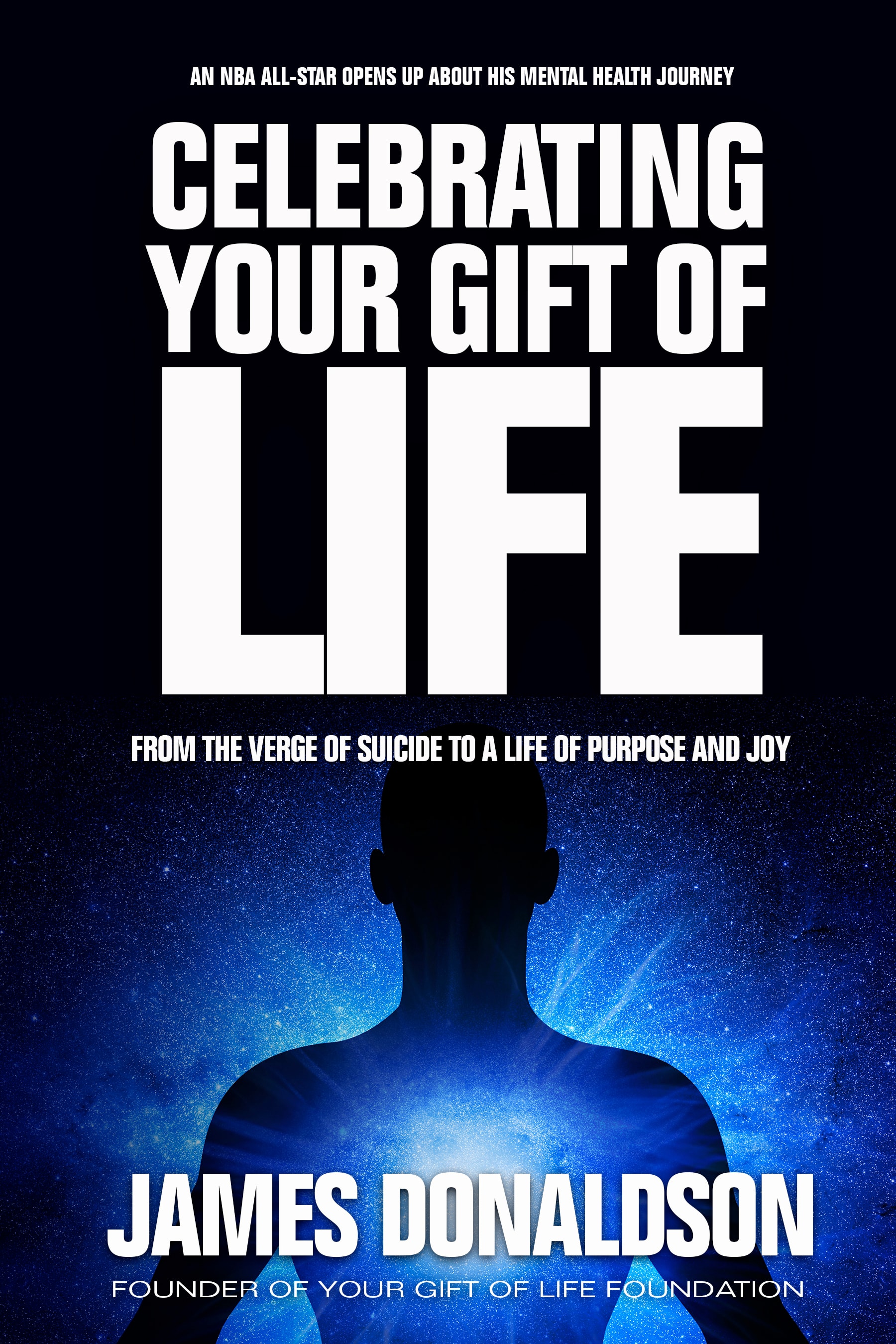
Celebrating Your Gift of Life
From the verge of suicide to a life of purpose and joy
Order & Get It Signed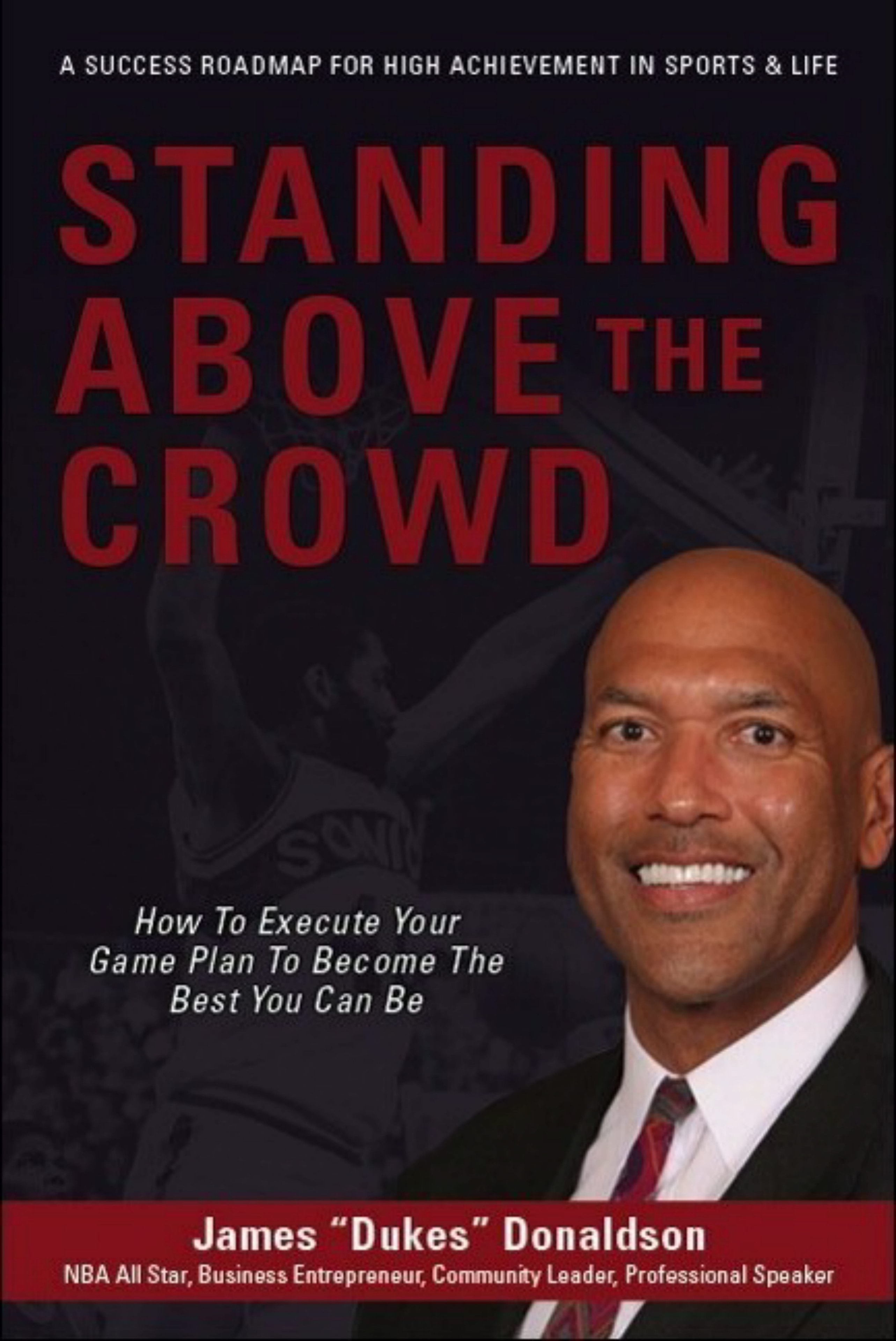
Standing Above the Crowd
Inspiring stories of resilience, hope, and mental wellness
Order & Get It Signed
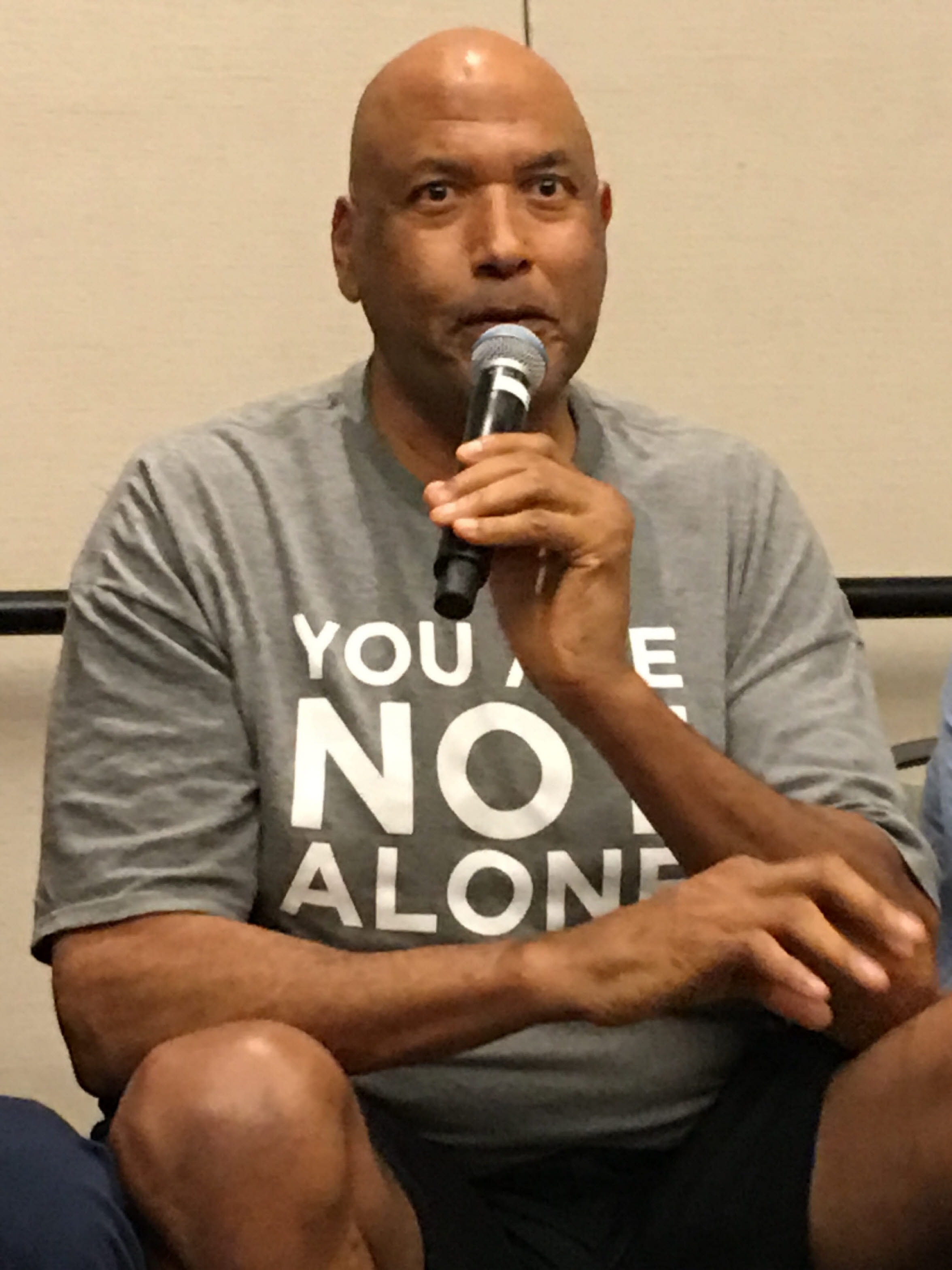
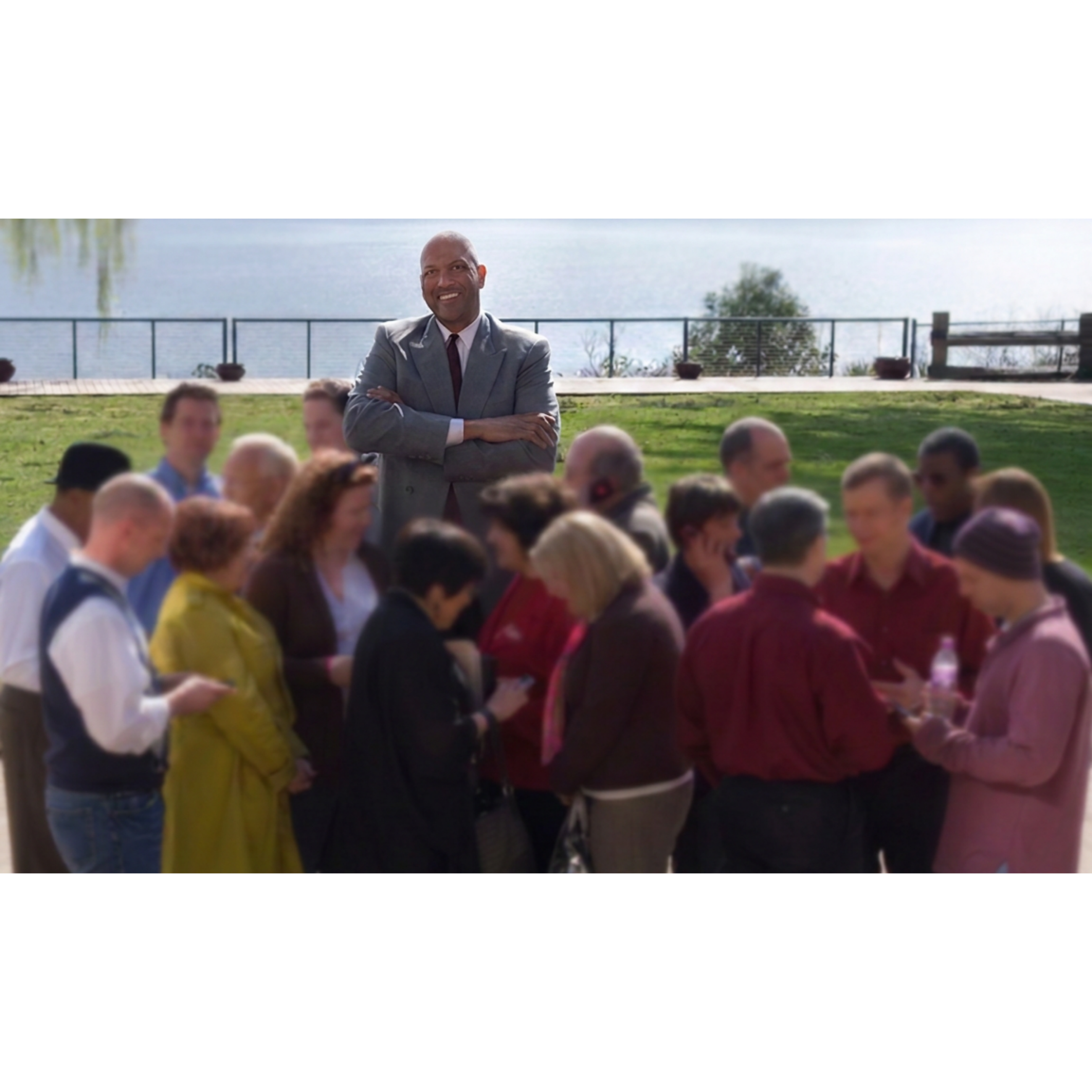
James Donaldson
Author, Speaker & Mental Health Advocate · Standing Above the Crowd
James Donaldson is a former NBA All-Star (1988, Dallas Mavericks) who played 20 years of professional basketball with the Seattle SuperSonics, L.A. Clippers, Dallas Mavericks, New York Knicks, Utah Jazz, and teams across Europe, before touring with the Harlem Globetrotters. A Washington State University graduate inducted into both the Pac-10 and WSU Athletic Halls of Fame, James went on to found The Donaldson Clinic, an outpatient physical therapy practice he operated for nearly three decades. Today he devotes his time to mental health awareness and suicide prevention — speaking to organizations, schools, and youth groups — and is the author of Standing Above the Crowd and Celebrating Your Gift of Life (2021). James recently relocated to the Dallas, TX area and believes deeply in being a role model of success and professionalism for the young people he serves.