8 min read
According to the World Health Organization (WHO), self-harm refers to the deliberate infliction of injury on oneself through actions such as damaging body tissue, ingesting toxic substances, or engagi
According to the World Health Organization (WHO), self-harm refers to the deliberate infliction of injury on oneself through actions such as damaging body tissue, ingesting toxic substances, or engaging in other harmful, non-habitual behaviors.
Research increasingly suggests that self-harm and interpersonal violence are linked through a complex, bidirectional relationship: individuals who engage in deliberate self-harm may face a heightened risk of committing violence against others, while survivors of violence are more likely to direct aggression toward themselves.
Yet despite these correlations, the relationship between self-harm and violence remains insufficiently studied.
Violence itself can be categorized according to the relationship between victim and perpetrator, whether intimate or non-intimate, and by the nature of the act, including physical, sexual, and psychological abuse.
Self-harm, meanwhile, encompasses behaviors associated with both suicidal and non-suicidal intent.
It has emerged as one of the leading risk factors for suicide and a growing public health concern, particularly among young people worldwide.
Studies have shown that some individuals who self-harm also exhibit violent behavior toward others, raising questions about the social, psychological, and environmental factors that shape both forms of harm.
Poverty, exposure to violence, substance abuse, family instability, and untreated mental health conditions are among the recurring risk factors identified across global research.
Globally, violence and self-inflicted injuries impose a profound human and economic toll.
Beyond the immediate physical consequences, they contribute to long-term psychological trauma, disability, and diminished social and economic productivity.
From the Author
Order today and James will personally sign your copy — a meaningful keepsake from an NBA All-Star and mental health advocate.
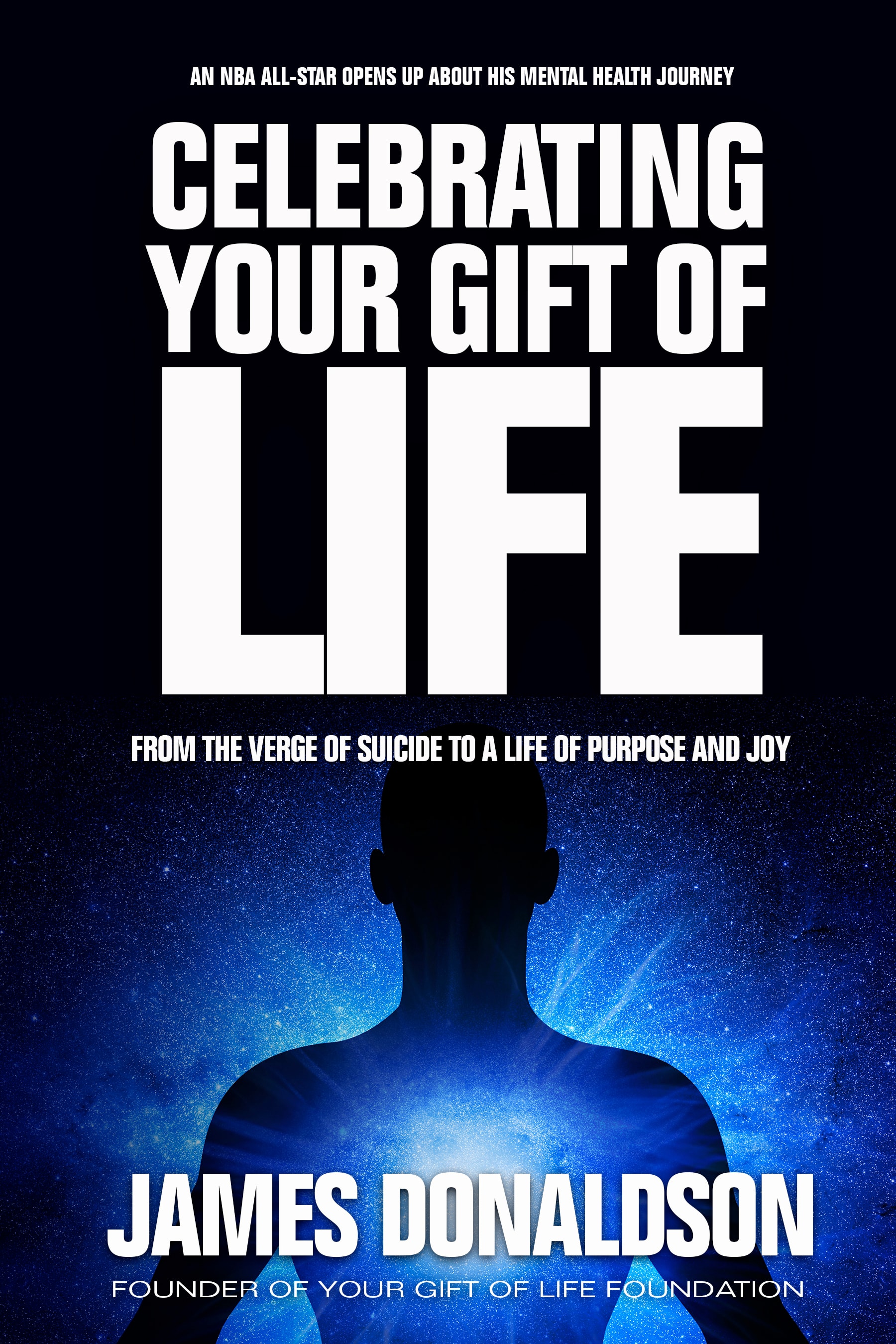
Celebrating Your Gift of Life
From the verge of suicide to a life of purpose and joy
Order & Get It Signed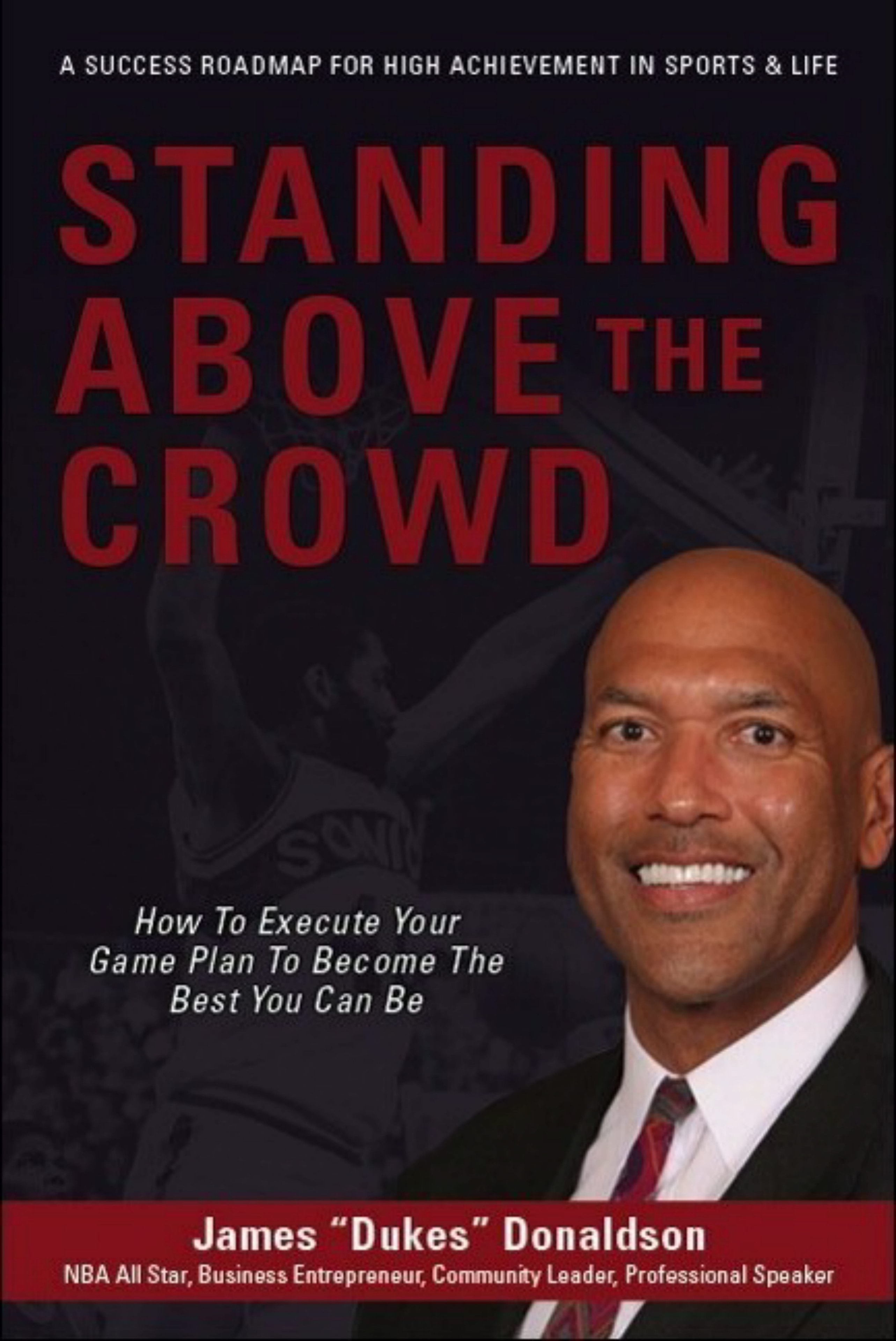
Standing Above the Crowd
Inspiring stories of resilience, hope, and mental wellness
Order & Get It Signed
James Donaldson
Author, Speaker & Mental Health Advocate · Standing Above the Crowd
James Donaldson is a former NBA All-Star (1988, Dallas Mavericks) who played 20 years of professional basketball with the Seattle SuperSonics, L.A. Clippers, Dallas Mavericks, New York Knicks, Utah Jazz, and teams across Europe, before touring with the Harlem Globetrotters. A Washington State University graduate inducted into both the Pac-10 and WSU Athletic Halls of Fame, James went on to found The Donaldson Clinic, an outpatient physical therapy practice he operated for nearly three decades. Today he devotes his time to mental health awareness and suicide prevention — speaking to organizations, schools, and youth groups — and is the author of Standing Above the Crowd and Celebrating Your Gift of Life (2021). James recently relocated to the Dallas, TX area and believes deeply in being a role model of success and professionalism for the young people he serves.