8 min read

Hoarding disorder is often misunderstood and overlooked as common over-collecting.
Hoarding disorder is often misunderstood and overlooked as common over-collecting.
However, while collectors focus on acquiring specific items, organizing, and displaying them, individuals with the disorder tend to accumulate a wide variety of things in a disorganized manner, without any clear purpose or system.
Hoarding disorder was officially recognized as a stand-alone diagnosis in the Diagnostic and Statistical Manual of Mental Disorders , Fifth Edition (DSM-5) in 2013.
Before this, it was considered a subtype of obsessive-compulsive disorder, although, due to key differences such as the absence of intrusive, recurring thoughts, it is now classified as a related but distinct disorder.
People with it often have varying levels of awareness about the reality of their condition.
Most struggle to recognize the impact of their hoarding, even though it causes significant distress.
This lack of insight contributes to many individuals not seeking treatment for their symptoms, which can lead to worse outcomes, including increased risk of suicide.
A 2025 study conducted by researchers at Stanford University found that these individuals reported suicidal thoughts and behaviours at higher rates than the general U.S.
population, with 13 percent of them having a history of suicide attempts, compared to around 0.7 percent of the general adult population.
Comorbidity with other mental health conditions is also common, with about 50 percent meeting criteria for major depression .
From the Author
Order today and James will personally sign your copy — a meaningful keepsake from an NBA All-Star and mental health advocate.
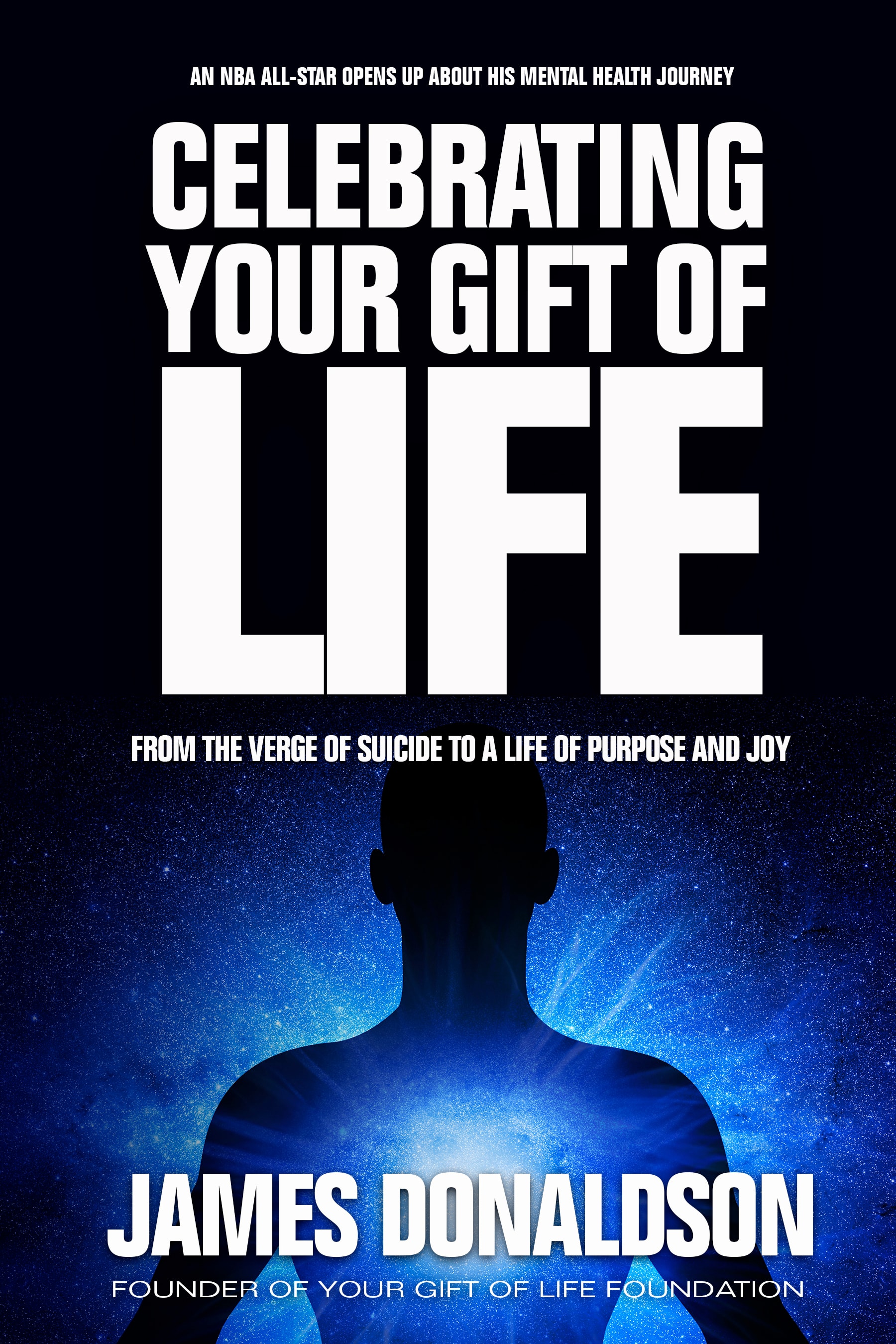
Celebrating Your Gift of Life
From the verge of suicide to a life of purpose and joy
Order & Get It Signed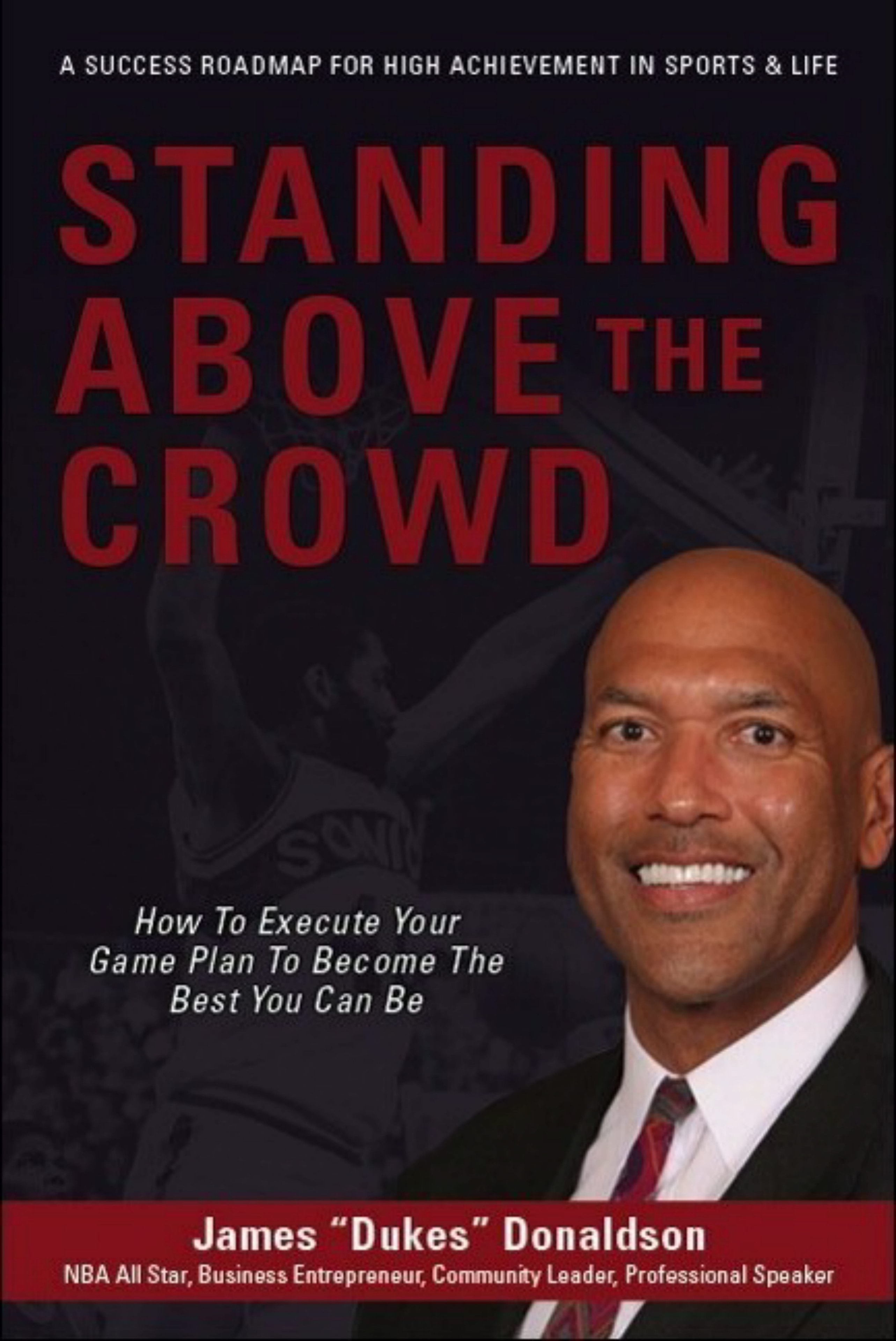
Standing Above the Crowd
Inspiring stories of resilience, hope, and mental wellness
Order & Get It Signed
James Donaldson
Author, Speaker & Mental Health Advocate · Standing Above the Crowd
James Donaldson is a former NBA All-Star (1988, Dallas Mavericks) who played 20 years of professional basketball with the Seattle SuperSonics, L.A. Clippers, Dallas Mavericks, New York Knicks, Utah Jazz, and teams across Europe, before touring with the Harlem Globetrotters. A Washington State University graduate inducted into both the Pac-10 and WSU Athletic Halls of Fame, James went on to found The Donaldson Clinic, an outpatient physical therapy practice he operated for nearly three decades. Today he devotes his time to mental health awareness and suicide prevention — speaking to organizations, schools, and youth groups — and is the author of Standing Above the Crowd and Celebrating Your Gift of Life (2021). James recently relocated to the Dallas, TX area and believes deeply in being a role model of success and professionalism for the young people he serves.