8 min read

Talking with kids Experts say parents, teachers, coaches, clergy — anyone who interacts with kids — shouldn’t fear talking to them about suicide and mental health, especially if they notice withdrawal
Talking with kids Experts say parents, teachers, coaches, clergy — anyone who interacts with kids — shouldn’t fear talking to them about suicide and mental health, especially if they notice withdrawal, sadness or stress.
Jamie Freeny, who was the director of the Center for School Behavioral Health at Mental Health America of Greater Houston until earlier this year, said that more elementary schools have started to ask for suicide prevention training.
“If the elementary schools are asking for it, that lets me know that there’s a reason,” said Freeny, who now works as a mental health consultant.
“It’s very, very sad.” There's this myth that if you talk to kids about suicide, you're going to put the idea in their head.
– Lisa Horowitz, visiting professor of child psychiatry at the University of Colorado Anschutz School of Medicine The American Foundation for Suicide Prevention has resources for parents or others who frequently interact with kids, including a toolkit called “ Talk Saves Lives ” that offers guidelines and tips for steering such conversations.
Lisa Horowitz, a visiting professor of child psychiatry at the University of Colorado Anschutz School of Medicine and who conducts research for the National Institutes of Health, said many parents tell her they’re afraid to bring the topic up with their kids.
“There’s this myth that if you talk to kids about suicide, you’re going to put the idea in their head,” Horowitz said, adding that research shows talking about it can actually help.
“If you can detect suicide risk early, like in preteens or even even younger, then you can intervene early, and and then you can prevent a lot of psychiatric disorders that occur in adulthood.” Kids may tell their friends and may not necessarily come to their trusted adult first, making proactive conversations important, added Horowitz, who co-authored the study on the annual increase in preteen suicide and has developed screening tools.
“Most parents are surprised by a suicide attempt, and it’s not because they’re a bad parent, and it’s not because they’re not paying attention.
It’s because kids keep these thoughts to themselves,” she said.
From the Author
Order today and James will personally sign your copy — a meaningful keepsake from an NBA All-Star and mental health advocate.

Celebrating Your Gift of Life
From the verge of suicide to a life of purpose and joy
Order & Get It Signed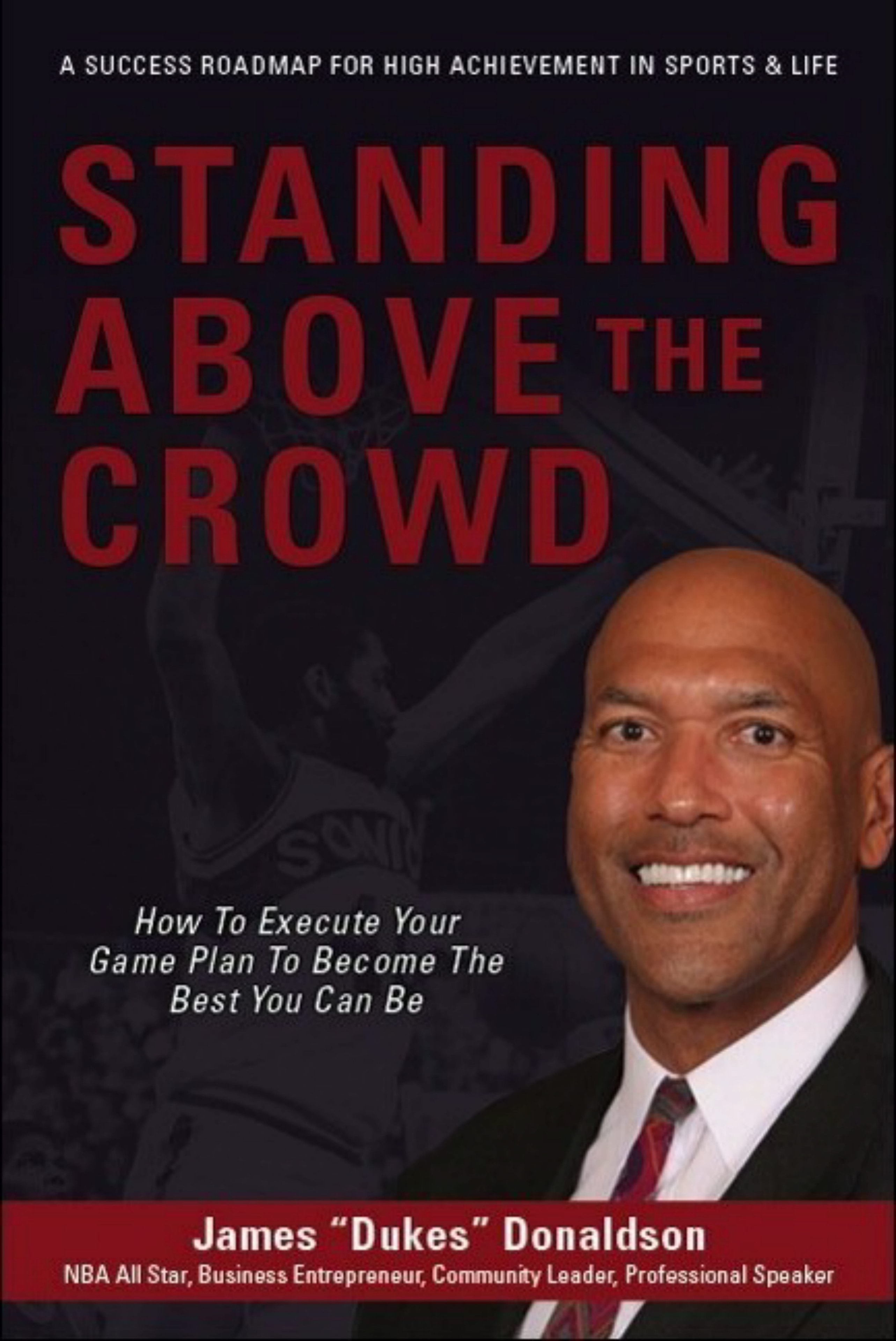
Standing Above the Crowd
Inspiring stories of resilience, hope, and mental wellness
Order & Get It Signed
James Donaldson
Author, Speaker & Mental Health Advocate · Standing Above the Crowd
James Donaldson is a former NBA All-Star (1988, Dallas Mavericks) who played 20 years of professional basketball with the Seattle SuperSonics, L.A. Clippers, Dallas Mavericks, New York Knicks, Utah Jazz, and teams across Europe, before touring with the Harlem Globetrotters. A Washington State University graduate inducted into both the Pac-10 and WSU Athletic Halls of Fame, James went on to found The Donaldson Clinic, an outpatient physical therapy practice he operated for nearly three decades. Today he devotes his time to mental health awareness and suicide prevention — speaking to organizations, schools, and youth groups — and is the author of Standing Above the Crowd and Celebrating Your Gift of Life (2021). James recently relocated to the Dallas, TX area and believes deeply in being a role model of success and professionalism for the young people he serves.