8 min read
An accurate account of suicide burden is needed to develop, implement, measure prevention efforts Key Findings Many suicide deaths may be incorrectly recorded as accidents or undetermined deaths, mean
An accurate account of suicide burden is needed to develop, implement, measure prevention efforts Key Findings Many suicide deaths may be incorrectly recorded as accidents or undetermined deaths, meaning the true number of suicides is likely higher than official records show.
Drug overdose deaths are especially difficult to classify because it is often impossible to determine a person's intent after death.
Researchers propose using a broader reporting measure called self-injury mortality (SIM) to better capture deaths that may involve self-harm, even when intent cannot be confirmed.
Improvements in how deaths are investigated and classified are necessary to understand how big the suicide problem is in the U.S.
America is undercounting the number of suicide deaths, despite the rise in suicide rates in the 21st century, experts caution in a commentary published in the journal Injury Prevention .
In 2024, the national suicide rate was 37.5% higher than in 2000.
During that same period, the death rate from opioid and other drug poisoning increased more than threefold.
Yet the recorded suicide rate from drug poisoning only increased from 1.3 to 1.8 per 100,000 people.
Injury epidemiologist Ian Rockett, PhD, adjunct professor of Psychiatry at University of Rochester Medicine who authored a lead essay in the commentary, believes that as many as 30% of overdose deaths recorded as “accidental” or of “undetermined” intent may in truth be suicides.
Why are most overdose deaths classified as accidents?
From the Author
Order today and James will personally sign your copy — a meaningful keepsake from an NBA All-Star and mental health advocate.
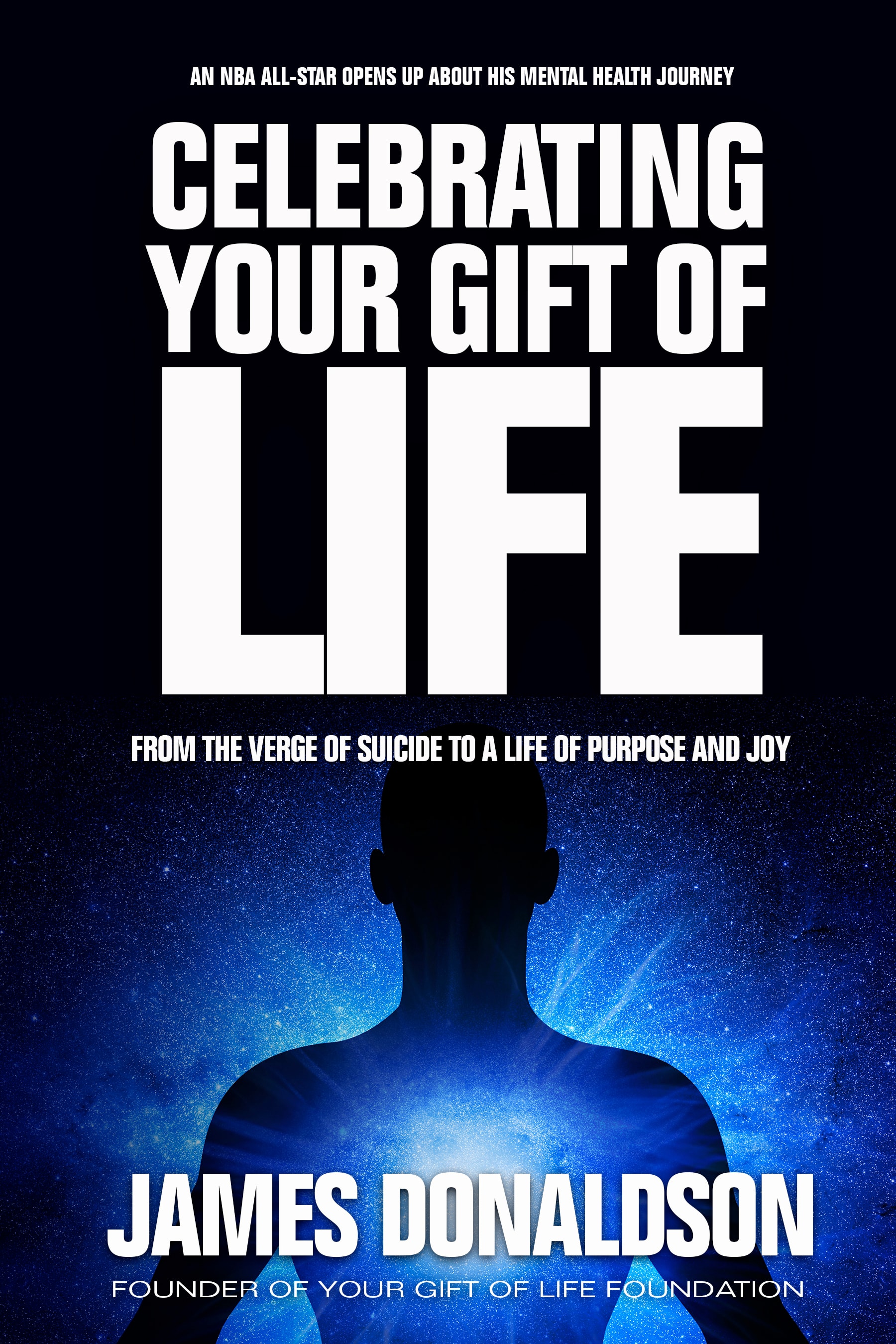
Celebrating Your Gift of Life
From the verge of suicide to a life of purpose and joy
Order & Get It Signed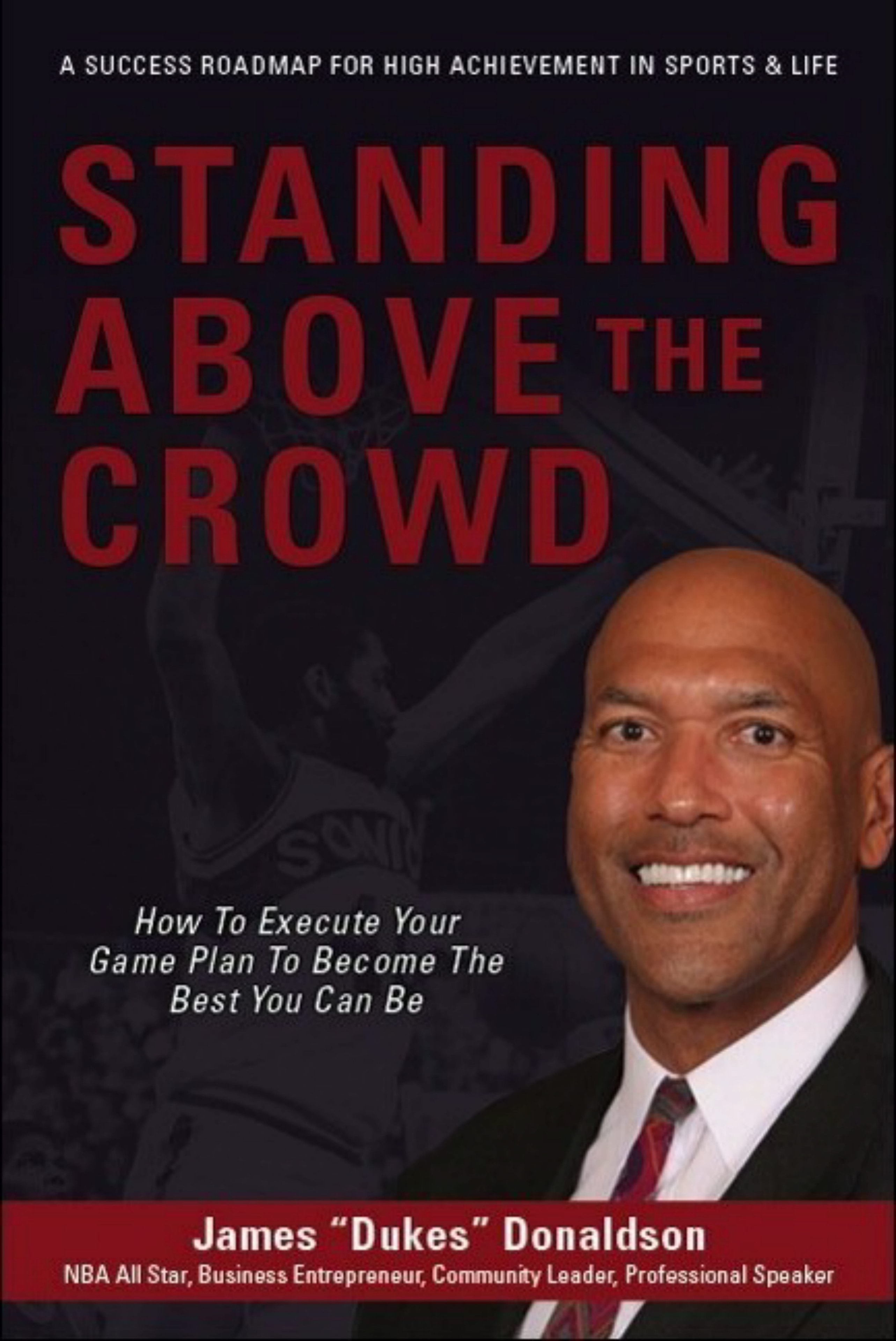
Standing Above the Crowd
Inspiring stories of resilience, hope, and mental wellness
Order & Get It Signed
James Donaldson
Author, Speaker & Mental Health Advocate · Standing Above the Crowd
James Donaldson is a former NBA All-Star (1988, Dallas Mavericks) who played 20 years of professional basketball with the Seattle SuperSonics, L.A. Clippers, Dallas Mavericks, New York Knicks, Utah Jazz, and teams across Europe, before touring with the Harlem Globetrotters. A Washington State University graduate inducted into both the Pac-10 and WSU Athletic Halls of Fame, James went on to found The Donaldson Clinic, an outpatient physical therapy practice he operated for nearly three decades. Today he devotes his time to mental health awareness and suicide prevention — speaking to organizations, schools, and youth groups — and is the author of Standing Above the Crowd and Celebrating Your Gift of Life (2021). James recently relocated to the Dallas, TX area and believes deeply in being a role model of success and professionalism for the young people he serves.