9 min read
Teach media literacy and algorithm awareness Teens may be more tech-savvy than many adults, but they can still misunderstand what they see online.
Teach media literacy and algorithm awareness Teens may be more tech-savvy than many adults, but they can still misunderstand what they see online.
Key facts to highlight to them include: Algorithms predict what they see .
Teens often don’t realize the extent to which social media platforms are designed to show them more of what they engage with as well as what companies pay for them to see.
If they engage with videos about anxiety about the future or ADHD, the algorithm will likely flood their feed with similar content — creating the illusion that “everyone” is struggling with the same thing or shares their perspective.
Swapping phones and comparing For You Pages can open young people’s eyes to the different experiences everyone is having online.
Online representation is not the same as prevalence .
To help teens gain perspective on what they see represented online, talk with them about who posts online and who doesn’t.
Are certain populations more likely to have a significant online presence and others not?
According to the Centers for Disease Control and Prevention, approximately 3 percent of youth over 8 have been diagnosed with autism spectrum disorder and 11 percent of youth have been diagnosed with ADHD .
Although many teens say they want to be content creators to make money, they can underestimate the role financial incentives play in what content creators post.

From the Author
Order today and James will personally sign your copy — a meaningful keepsake from an NBA All-Star and mental health advocate.
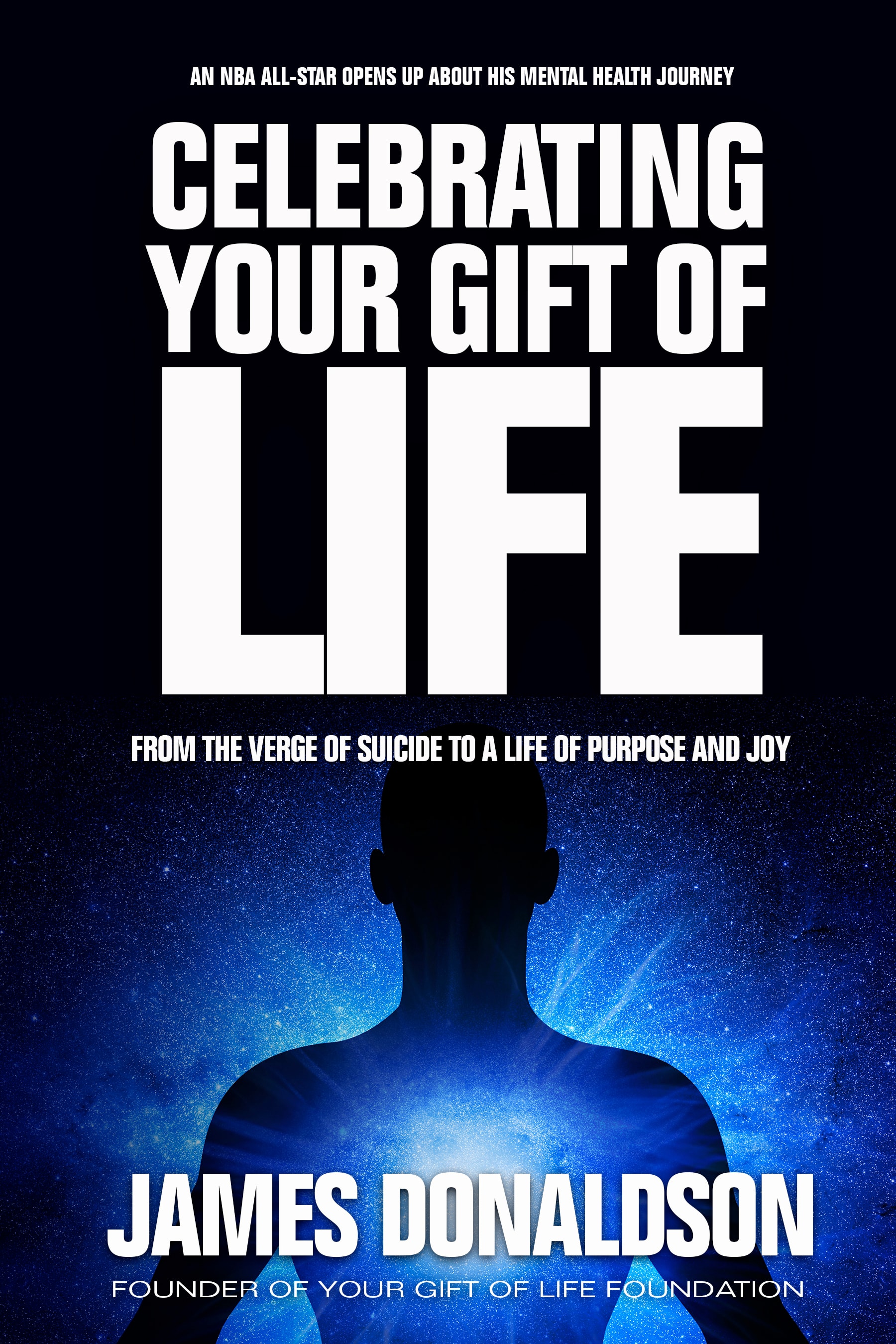
Celebrating Your Gift of Life
From the verge of suicide to a life of purpose and joy
Order & Get It Signed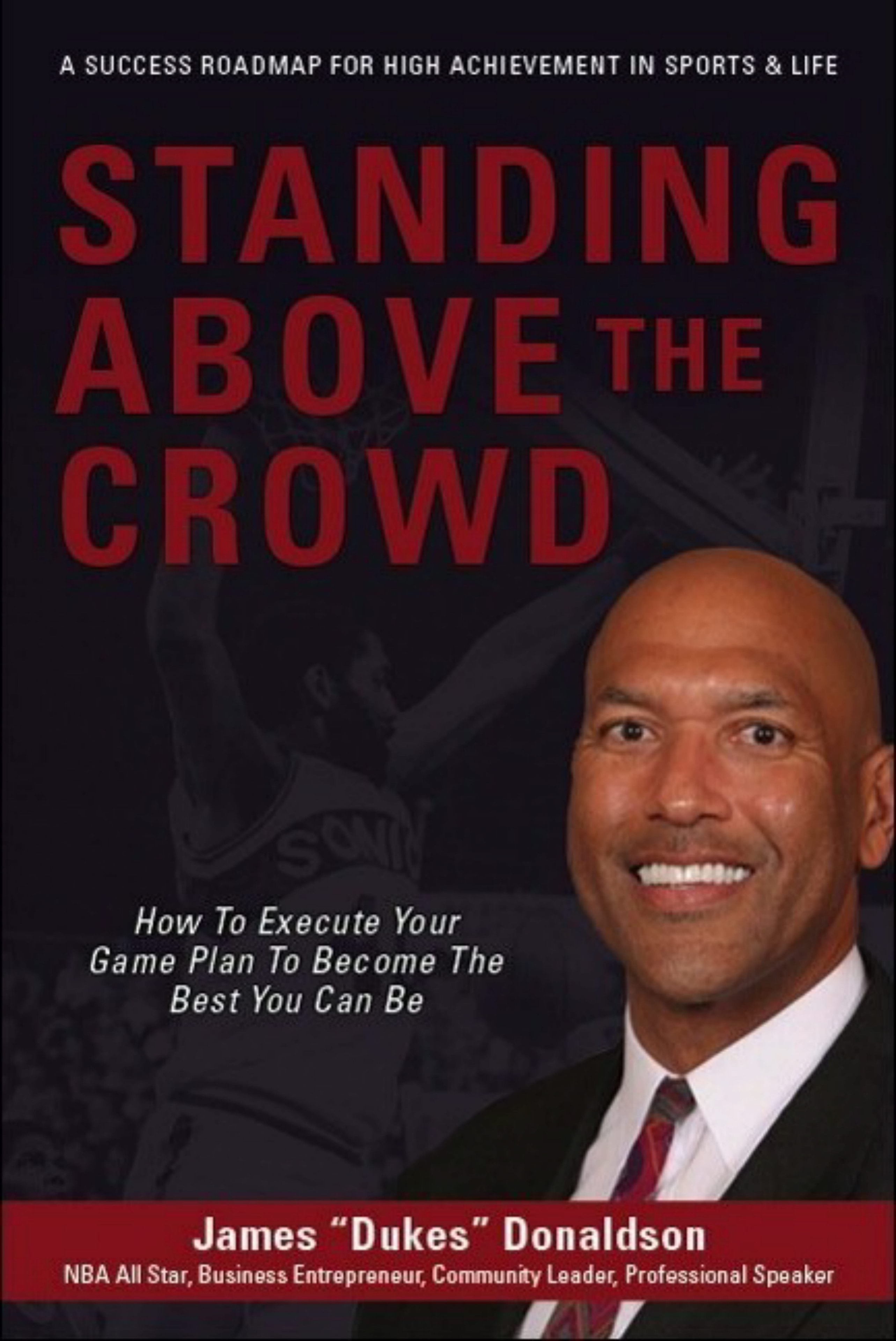
Standing Above the Crowd
Inspiring stories of resilience, hope, and mental wellness
Order & Get It Signed
James Donaldson
Author, Speaker & Mental Health Advocate · Standing Above the Crowd
James Donaldson is a former NBA All-Star (1988, Dallas Mavericks) who played 20 years of professional basketball with the Seattle SuperSonics, L.A. Clippers, Dallas Mavericks, New York Knicks, Utah Jazz, and teams across Europe, before touring with the Harlem Globetrotters. A Washington State University graduate inducted into both the Pac-10 and WSU Athletic Halls of Fame, James went on to found The Donaldson Clinic, an outpatient physical therapy practice he operated for nearly three decades. Today he devotes his time to mental health awareness and suicide prevention — speaking to organizations, schools, and youth groups — and is the author of Standing Above the Crowd and Celebrating Your Gift of Life (2021). James recently relocated to the Dallas, TX area and believes deeply in being a role model of success and professionalism for the young people he serves.