9 min read

Writer: Rae Jacobson, MS Clinical Experts: Rachel Busman, PsyD, ABPP , Stephanie Dowd, PsyD , Mandi Silverman, PsyD, MBA Key Takeaways Teaching children to set boundaries involves helping them underst
Writer: Rae Jacobson, MS Clinical Experts: Rachel Busman, PsyD, ABPP , Stephanie Dowd, PsyD , Mandi Silverman, PsyD, MBA Key Takeaways Teaching children to set boundaries involves helping them understand their own feelings and those of others, fostering empathy from a young age.
Parents can explain that rules —like body autonomy—work both ways, and help kids practice phrases to advocate for themselves when others don’t respect their boundaries.
Modeling respectful behavior is crucial, as children learn boundary-setting when they see parents checking with others before making decisions.
How to help kids develop empathy Rules work both ways Practice setting boundaries Model behavior Find, and discuss, examples Embrace diversity Respect limits on offering affection Take your kids’ limits seriously For most parents setting boundaries for young kids’ behavior is second nature: No hitting.
We don’t grab toys out of other kids’ hands.
But as they get older, and social interaction gets more complex, it’s not enough to just learn the rules.
They need to learn to set boundaries for themselves and respect those of others.
And that takes being able to recognize what others want and need — and express what they want and need, too.
“Boundaries are essentially about understanding and respecting our own needs, and being respectful and understanding of the needs of others,” explains Stephanie Dowd, PsyD, a clinical psychologist, “and for that to work, we need to be putting a big emphasis on helping kids develop greater empathy and self-awareness.” Why is empathy important?
For some parents, the idea of teaching children who haven’t quite mastered the art of tying their shoes to be more empathetic might seem a little absurd.
From the Author
Order today and James will personally sign your copy — a meaningful keepsake from an NBA All-Star and mental health advocate.

Celebrating Your Gift of Life
From the verge of suicide to a life of purpose and joy
Order & Get It Signed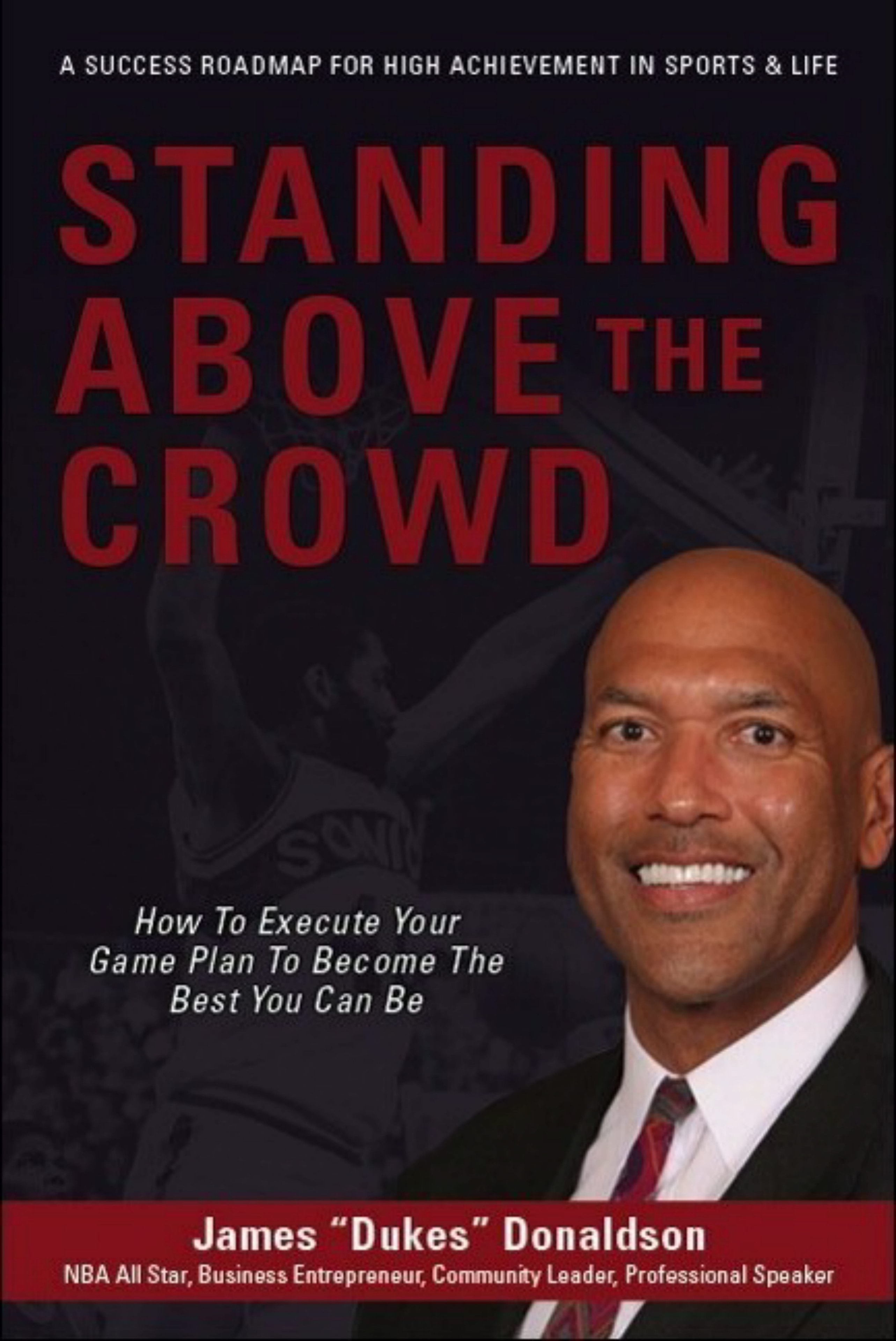
Standing Above the Crowd
Inspiring stories of resilience, hope, and mental wellness
Order & Get It Signed
James Donaldson
Author, Speaker & Mental Health Advocate · Standing Above the Crowd
James Donaldson is a former NBA All-Star (1988, Dallas Mavericks) who played 20 years of professional basketball with the Seattle SuperSonics, L.A. Clippers, Dallas Mavericks, New York Knicks, Utah Jazz, and teams across Europe, before touring with the Harlem Globetrotters. A Washington State University graduate inducted into both the Pac-10 and WSU Athletic Halls of Fame, James went on to found The Donaldson Clinic, an outpatient physical therapy practice he operated for nearly three decades. Today he devotes his time to mental health awareness and suicide prevention — speaking to organizations, schools, and youth groups — and is the author of Standing Above the Crowd and Celebrating Your Gift of Life (2021). James recently relocated to the Dallas, TX area and believes deeply in being a role model of success and professionalism for the young people he serves.