9 min read

“De-personalize” the breakup Klorfein says the pain of a friend breakup can be an opportunity to help kids “deal with psychological pain in ways that are more adaptive.” You can tell them it’s okay to
“De-personalize” the breakup Klorfein says the pain of a friend breakup can be an opportunity to help kids “deal with psychological pain in ways that are more adaptive.” You can tell them it’s okay to be upset or angry but ask them to consider less emotionally driven ways of thinking about the breakup, too.
She often tells students who are going through a breakup: “ This relationship isn’t serving either of you.
If they’re feeling this way, if they’re feeling annoyed with you or like they want space, then this is giving you an opportunity to make other relationships with people who don’t feel that way about you.” Klorfein says this is a way to “de-personalize” the breakup and help a teen understand the parts about the relationship “that weren’t good for them without bashing the other person.” Advise them to check their impulses It’s normal to feel upset after a friend breakup, but counsel kids to cool down before trying to rehash it with their friend.
Teens are prone to acting on strong emotions, Klorfein says.
Revenge-seeking is common and can be insidious — like passive-aggressive social media posts or needling the other person in class.
If your teen expresses that they want to reach out to their friend, ask them what they want to communicate and why.
“If you’re going to communicate when you’re still upset it’s not going to get the point across,” Klorfein says.
How to break up better While it’s important to validate the pain kids’ feel when a friend breaks up with them, “it’s also important to teach kids that they don’t need to stay in a friendship that doesn’t feel good,” Klorfein says.
Granted, that’s easier said than done.
Here are things parents can do to help: Have them practice “I” statements Kids and teens are still learning how to communicate in their relationships — give them some language they can use to do it.

From the Author
Order today and James will personally sign your copy — a meaningful keepsake from an NBA All-Star and mental health advocate.

Celebrating Your Gift of Life
From the verge of suicide to a life of purpose and joy
Order & Get It Signed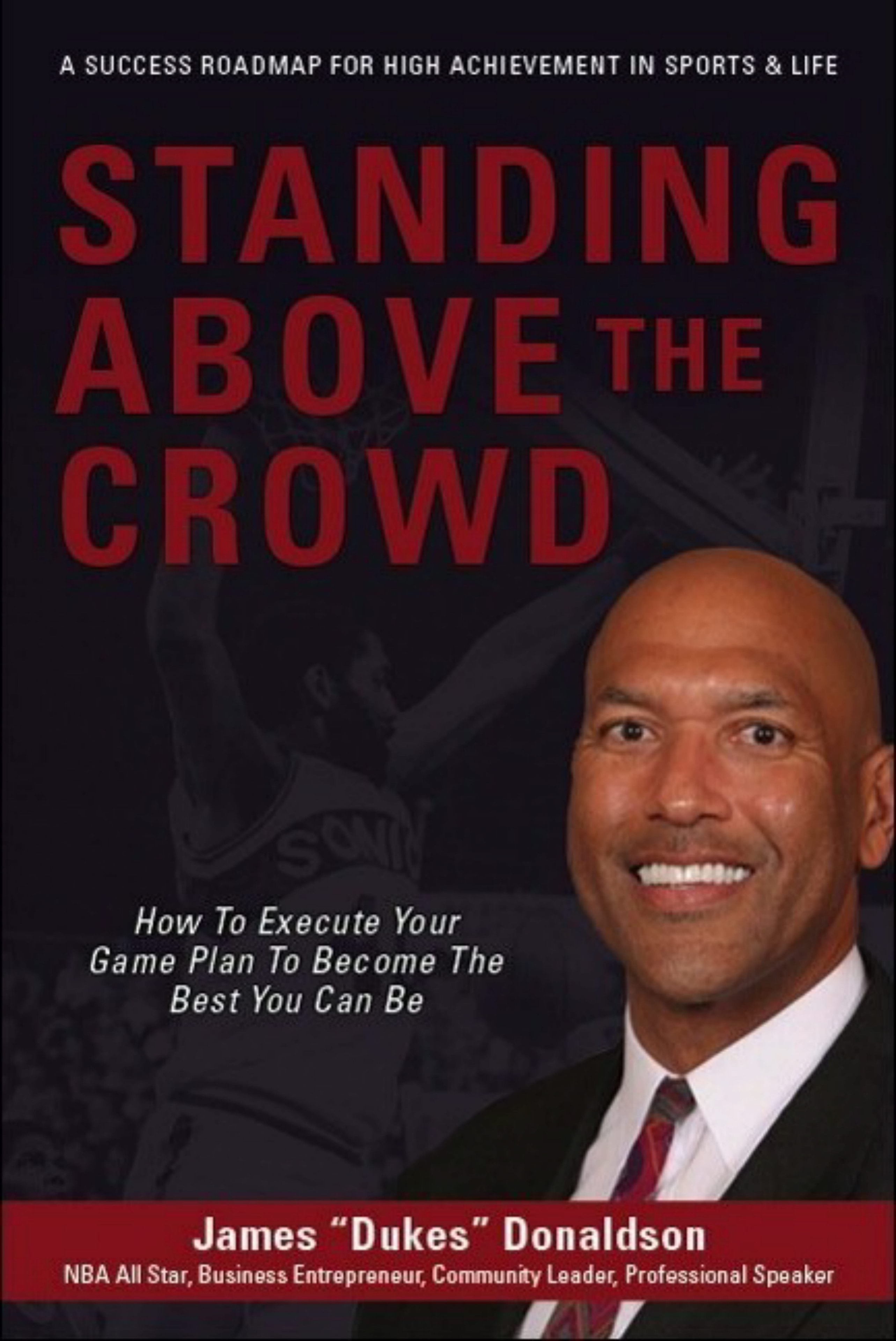
Standing Above the Crowd
Inspiring stories of resilience, hope, and mental wellness
Order & Get It Signed
James Donaldson
Author, Speaker & Mental Health Advocate · Standing Above the Crowd
James Donaldson is a former NBA All-Star (1988, Dallas Mavericks) who played 20 years of professional basketball with the Seattle SuperSonics, L.A. Clippers, Dallas Mavericks, New York Knicks, Utah Jazz, and teams across Europe, before touring with the Harlem Globetrotters. A Washington State University graduate inducted into both the Pac-10 and WSU Athletic Halls of Fame, James went on to found The Donaldson Clinic, an outpatient physical therapy practice he operated for nearly three decades. Today he devotes his time to mental health awareness and suicide prevention — speaking to organizations, schools, and youth groups — and is the author of Standing Above the Crowd and Celebrating Your Gift of Life (2021). James recently relocated to the Dallas, TX area and believes deeply in being a role model of success and professionalism for the young people he serves.