9 min read

Discussing your depression with your children When a parent is struggling, it’s often helpful for a child to have an age-appropriate explanation.
Discussing your depression with your children When a parent is struggling, it’s often helpful for a child to have an age-appropriate explanation.
Even young children can tell when a grown up is dealing with depression, even if they don’t understand it or have the words to describe it.
Cruz describes her daughter’s experience: “Once she got to six or seven, she’d begin to notice my energy shift.
She’d realize something was wrong because I’d gravitate towards my room.” New York City-based therapist Jor-El Caraballo, LMHC, points out, “It’s critical to remember that children are incredibly perceptive, and talking comfortably is essential.” He recommends having age-appropriate conversations.
“The conversations should largely depend on the kid and developmental level.
For instance, it might be appropriate for younger children to just share that the parent isn’t feeling well and has a condition that affects their mind and makes them more tired than they might look.” It’s also important to emphasize that the parent’s feelings aren’t the child’s fault, since young children in particular tend to blame themselves for problems around them.
For Cruz, part of dealing with depression is being honest with her daughter about what she is experiencing.
They have mental health check-ins twice a week, and her daughter participates, expressing her own concerns when she has them.
They both try to be as descriptive as possible.
When Cruz’s son is old enough to understand and articulate his feelings, she intends to bring him into the conversations as well.
From the Author
Order today and James will personally sign your copy — a meaningful keepsake from an NBA All-Star and mental health advocate.

Celebrating Your Gift of Life
From the verge of suicide to a life of purpose and joy
Order & Get It Signed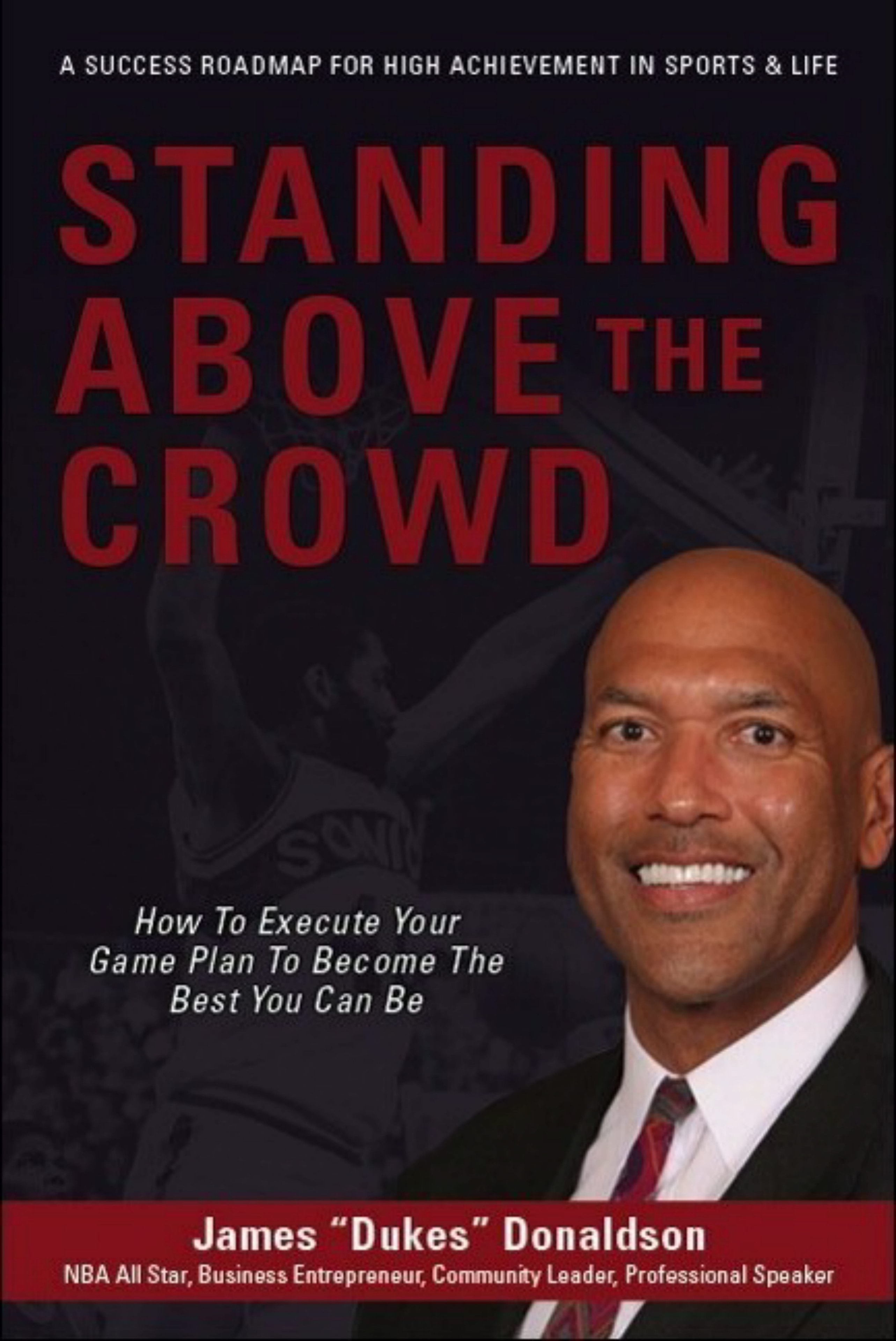
Standing Above the Crowd
Inspiring stories of resilience, hope, and mental wellness
Order & Get It Signed
James Donaldson
Author, Speaker & Mental Health Advocate · Standing Above the Crowd
James Donaldson is a former NBA All-Star (1988, Dallas Mavericks) who played 20 years of professional basketball with the Seattle SuperSonics, L.A. Clippers, Dallas Mavericks, New York Knicks, Utah Jazz, and teams across Europe, before touring with the Harlem Globetrotters. A Washington State University graduate inducted into both the Pac-10 and WSU Athletic Halls of Fame, James went on to found The Donaldson Clinic, an outpatient physical therapy practice he operated for nearly three decades. Today he devotes his time to mental health awareness and suicide prevention — speaking to organizations, schools, and youth groups — and is the author of Standing Above the Crowd and Celebrating Your Gift of Life (2021). James recently relocated to the Dallas, TX area and believes deeply in being a role model of success and professionalism for the young people he serves.