9 min read
In the wake of a disturbing event or tragic loss in the lives of children, we know parents and teachers will do their best to help kids cope with their grief and anxiety in a healthy way.
In the wake of a disturbing event or tragic loss in the lives of children, we know parents and teachers will do their best to help kids cope with their grief and anxiety in a healthy way.
We have provided some tips on how best to engage kids in a calm and supportive dialogue about their feelings — it’s certainly not easy to do, but it can make a big difference.
Still, some children are more at risk than others for suffering long-term effects from an upsetting event, including those who have lost close friends or classmates and those who might have learned about the event or loss in a particularly emotional and upsetting way.
How a child experiences an event and how it’s handled by those around them have an effect on how traumatizing it can be, notes clinical psychologist Jerry Bubrick , PhD, who treated many children with anxiety at the Child Mind Institute.
When families come upon news accidentally, parents can be caught off guard and respond in a highly emotional way that can impact children.
Television coverage and shocking newspaper headlines can also amplify the impact of a disturbing event or loss.
So even as you try to soothe and comfort children , it is important to recognize the signs of unhealthy coping that would suggest a visit with a professional might be needed.
In extreme cases, children can develop post-traumatic stress disorder , but even less extreme PTSD-like symptoms can interfere with a child’s life and happiness.
Here are some signs to look for and things to keep in mind.
Normal grief “Everyone grieves at a different pace,” Dr.
From the Author
Order today and James will personally sign your copy — a meaningful keepsake from an NBA All-Star and mental health advocate.
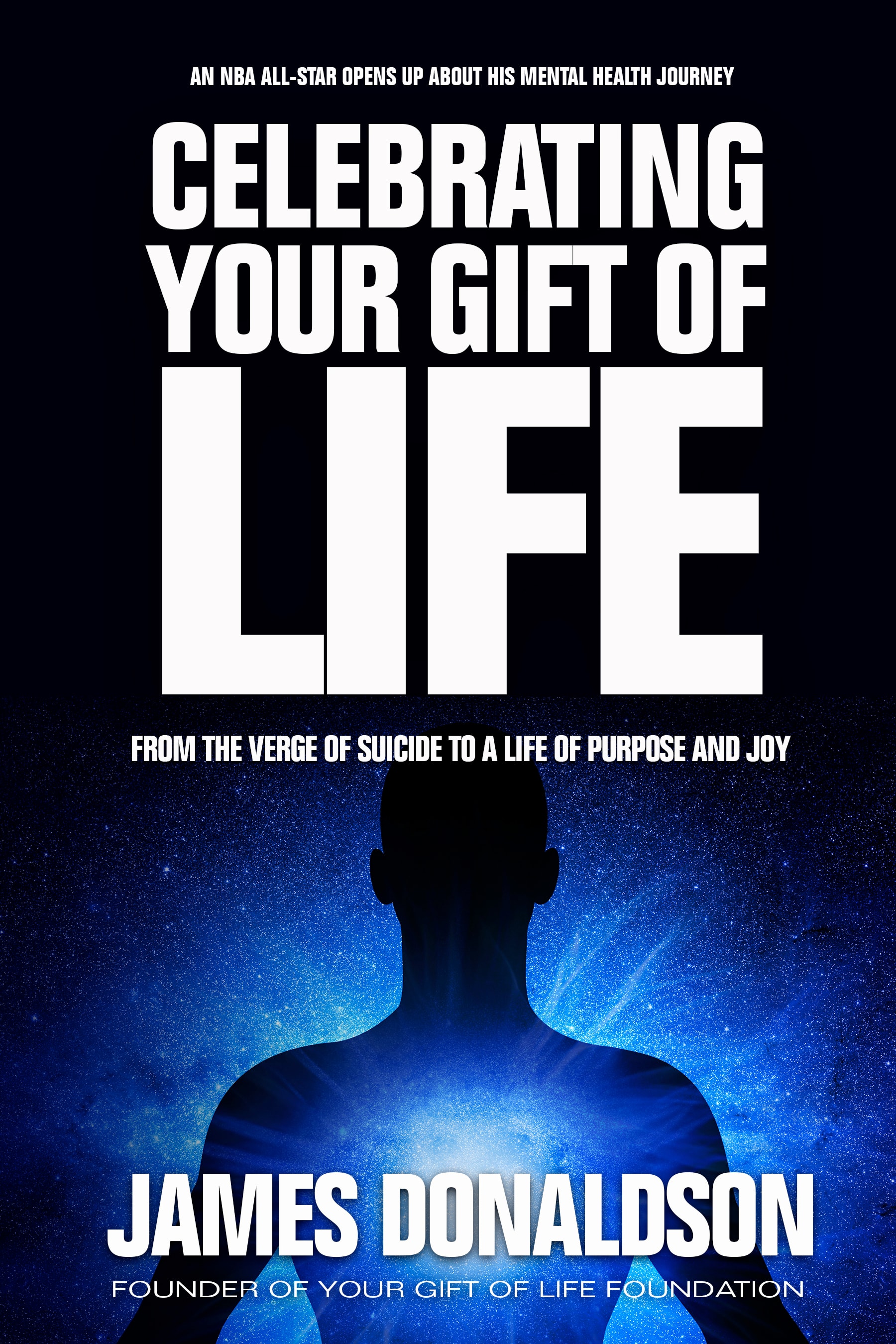
Celebrating Your Gift of Life
From the verge of suicide to a life of purpose and joy
Order & Get It Signed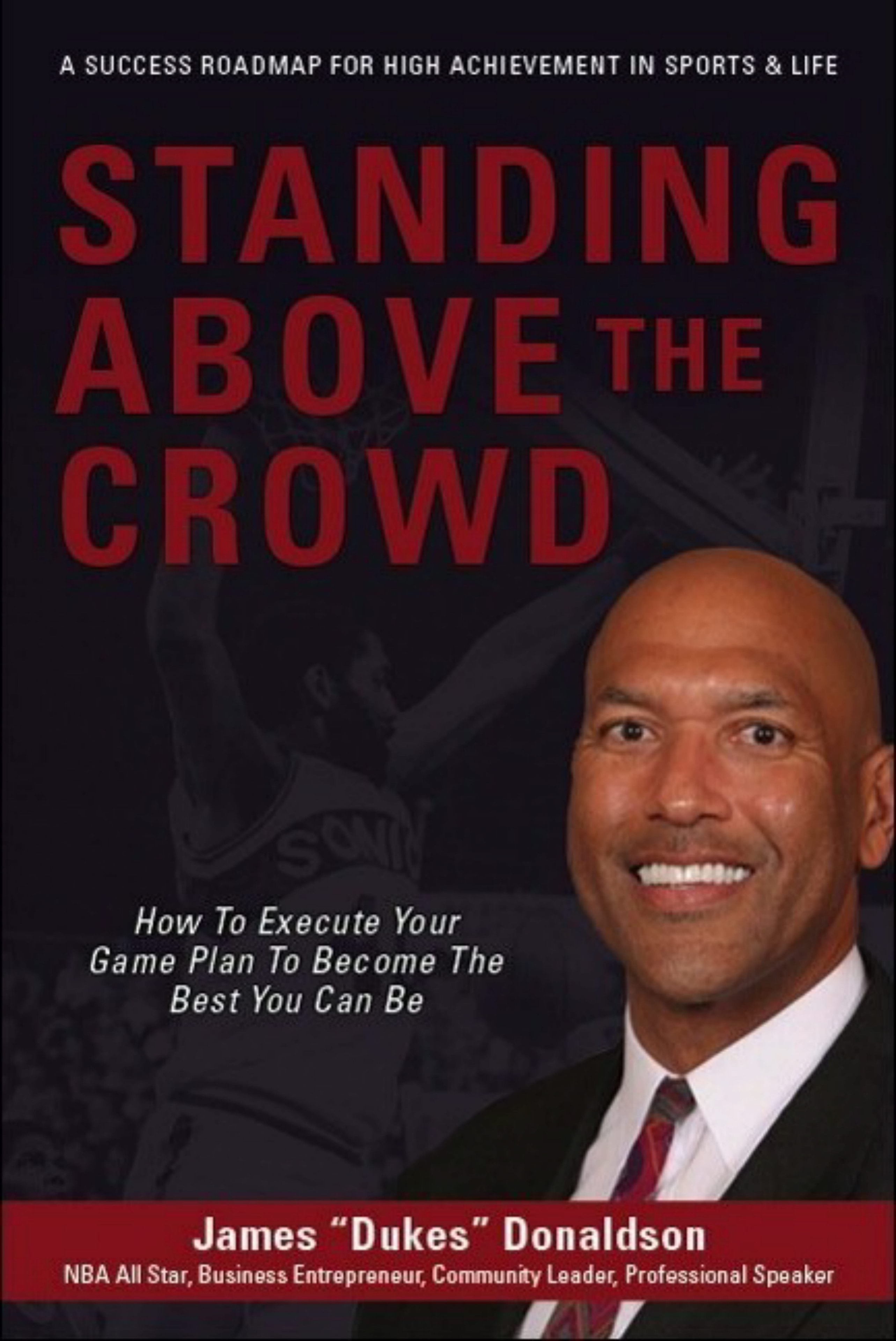
Standing Above the Crowd
Inspiring stories of resilience, hope, and mental wellness
Order & Get It Signed
James Donaldson
Author, Speaker & Mental Health Advocate · Standing Above the Crowd
James Donaldson is a former NBA All-Star (1988, Dallas Mavericks) who played 20 years of professional basketball with the Seattle SuperSonics, L.A. Clippers, Dallas Mavericks, New York Knicks, Utah Jazz, and teams across Europe, before touring with the Harlem Globetrotters. A Washington State University graduate inducted into both the Pac-10 and WSU Athletic Halls of Fame, James went on to found The Donaldson Clinic, an outpatient physical therapy practice he operated for nearly three decades. Today he devotes his time to mental health awareness and suicide prevention — speaking to organizations, schools, and youth groups — and is the author of Standing Above the Crowd and Celebrating Your Gift of Life (2021). James recently relocated to the Dallas, TX area and believes deeply in being a role model of success and professionalism for the young people he serves.