9 min read
Negative thinking Another challenge to traumatized kids is that they develop the belief that they’re bad, and what’s happened to them is their fault.
Negative thinking Another challenge to traumatized kids is that they develop the belief that they’re bad, and what’s happened to them is their fault.
This leads to the expectation that people are not going to like them or treat them well.
Howard puts it, “I’m a bad kid.
Bad kids don’t do well in school.” Traumatized kids also tend to develop what Dr.
Howard calls a “hostile attribution bias” — the idea that everyone is out to get them.
“So if a teacher says, ‘Sit down in your seat,” they hear it as, ‘SIT DOWN IN YOUR SEAT!’” she explains.
“They hear it as exaggerated and angry and unfair.
So they’ll act out really quickly with irritability.” As Dr.
Rappaport puts it: “They see negative where we see neutral.” To counter this negative thinking, these students a narrative about themselves that helps them understand that they’re not “bad kids.” And learning to recognize their negative patterns of thought, like black and white thinking, is a step towards being able to change those patterns.
Rappaport notes that children from abusive homes are sometimes unable to participate in classroom activities because they are paralyzed by fear of making a mistake, and that can make them appear to be oppositional.
From the Author
Order today and James will personally sign your copy — a meaningful keepsake from an NBA All-Star and mental health advocate.
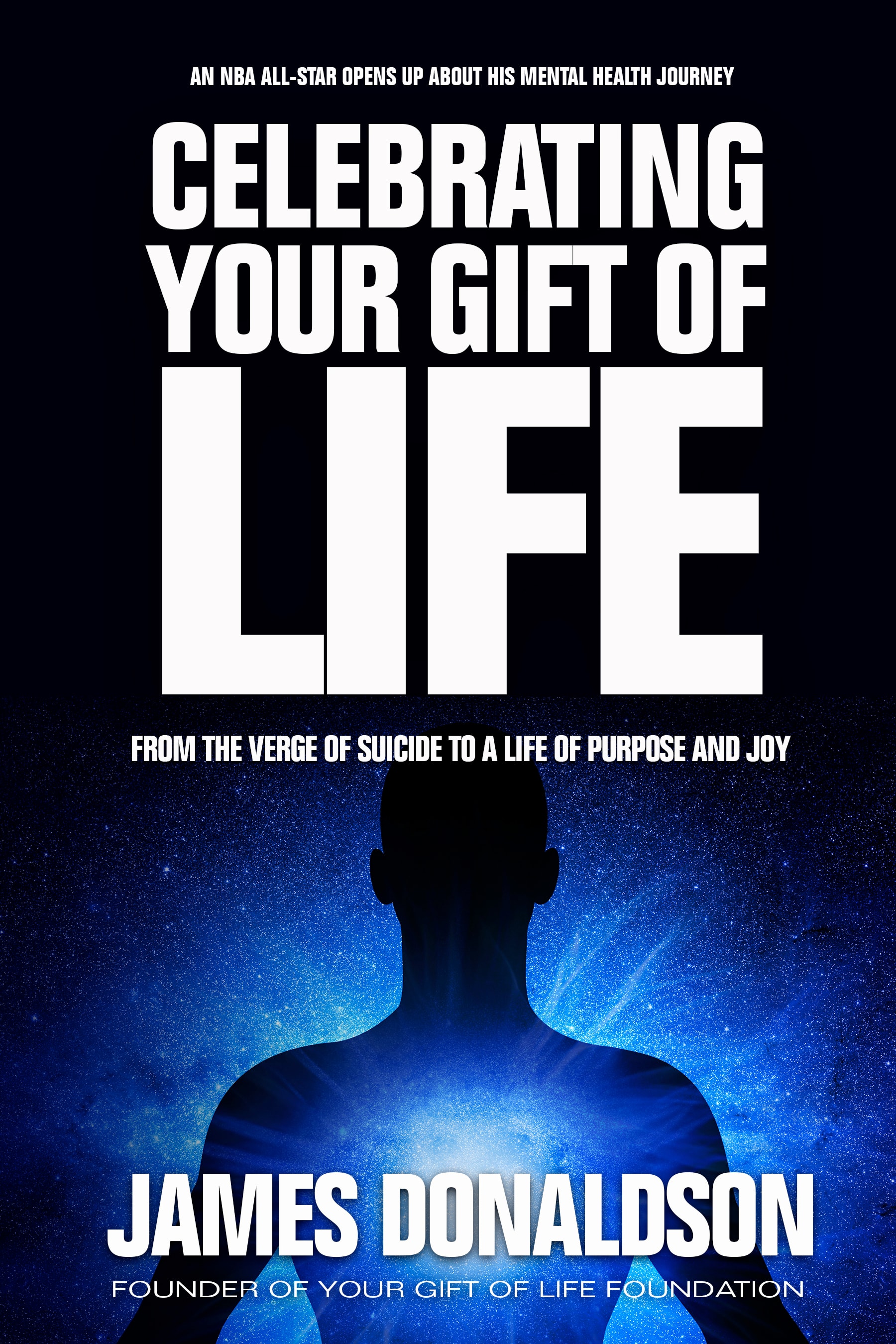
Celebrating Your Gift of Life
From the verge of suicide to a life of purpose and joy
Order & Get It Signed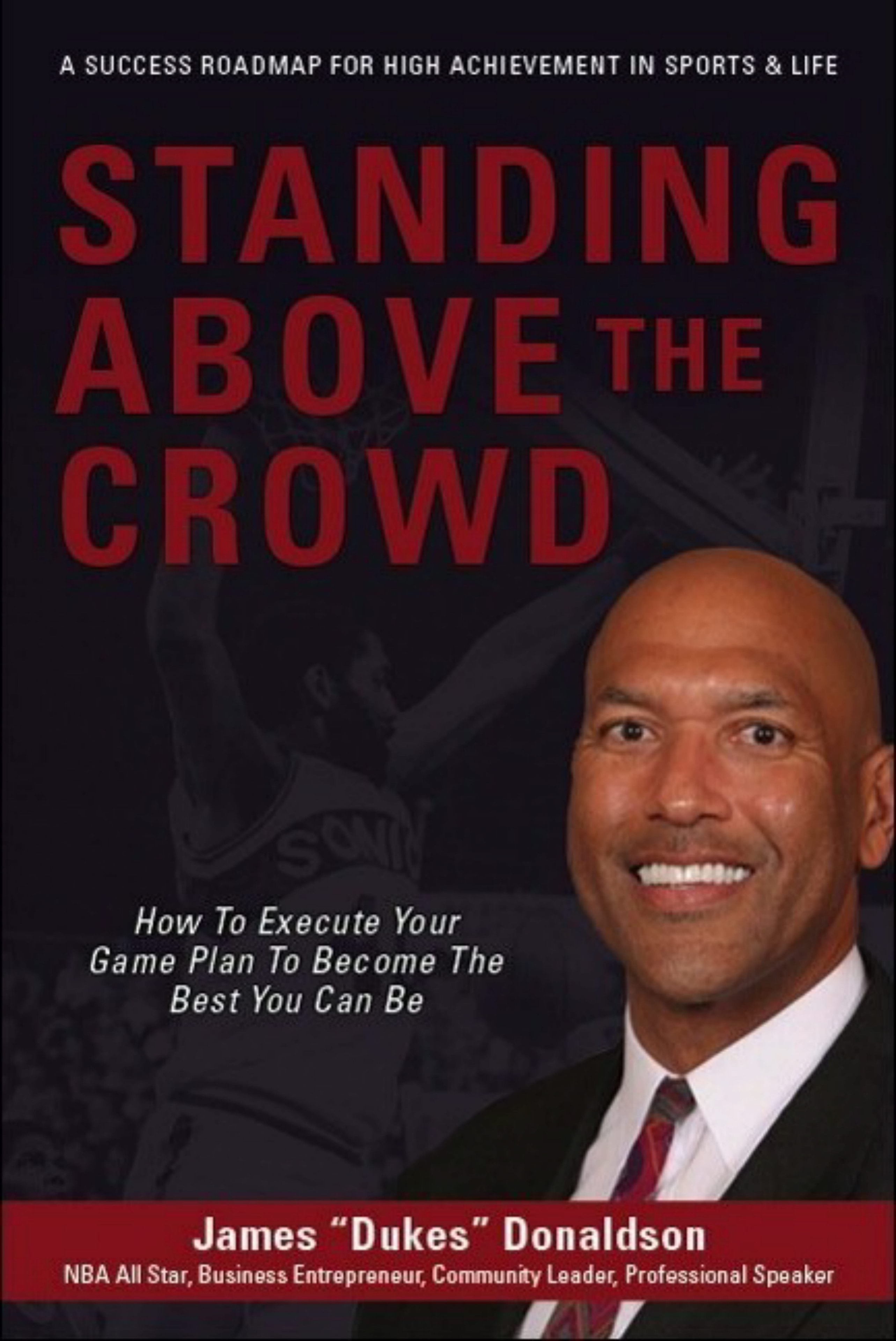
Standing Above the Crowd
Inspiring stories of resilience, hope, and mental wellness
Order & Get It Signed
James Donaldson
Author, Speaker & Mental Health Advocate · Standing Above the Crowd
James Donaldson is a former NBA All-Star (1988, Dallas Mavericks) who played 20 years of professional basketball with the Seattle SuperSonics, L.A. Clippers, Dallas Mavericks, New York Knicks, Utah Jazz, and teams across Europe, before touring with the Harlem Globetrotters. A Washington State University graduate inducted into both the Pac-10 and WSU Athletic Halls of Fame, James went on to found The Donaldson Clinic, an outpatient physical therapy practice he operated for nearly three decades. Today he devotes his time to mental health awareness and suicide prevention — speaking to organizations, schools, and youth groups — and is the author of Standing Above the Crowd and Celebrating Your Gift of Life (2021). James recently relocated to the Dallas, TX area and believes deeply in being a role model of success and professionalism for the young people he serves.