6 min read

Challenges in treating bulimia One challenge in FBT for bulimia is that progress is more difficult to track than with anorexia, because it depends on reports from the patient regarding binge eating an
Challenges in treating bulimia One challenge in FBT for bulimia is that progress is more difficult to track than with anorexia, because it depends on reports from the patient regarding binge eating and purging episodes, corroborated by their parents, rather than a scale that reports weight gain.
The therapist depends on the patient accurately reporting the weekly count of bingeing and purging.
Sometimes the young person feels so embarrassed that they won’t acknowledge the true extent of their bingeing and purging.
“When that happens, the clinician needs to help parents share the real frequency of these behaviors without being critical,” notes Dr.
“They need language that they can use to express sympathy that the illness has gotten the hold of the young person in this way, rather than saying, ‘Oh, no, that is just blatantly untrue.
She vomited at least six times,’ and you can just hear the criticism rolling from the parents’ tongue.” Positive factors in treating bulimia What works in the favor of FBT for bulimia is that kids with the disorder tend to be less resistant to participation in treatment than those with anorexia.
Le Grange says, that’s because kids may actually want help to stop these behaviors that they find embarrassing and distressing.
This can give parents some leverage in the treatment process, and the child can help articulate how they think parents can best support their changing these behaviors.
Le Grange also notes that, for the most part, kids with bulimia tend not to be as emotionally impacted as those with anorexia.
For instance, “You don’t typically see someone with bulimia nervosa declining time with their friends or not wanting to go out anymore, isolating themselves.

From the Author
Order today and James will personally sign your copy — a meaningful keepsake from an NBA All-Star and mental health advocate.

Celebrating Your Gift of Life
From the verge of suicide to a life of purpose and joy
Order & Get It Signed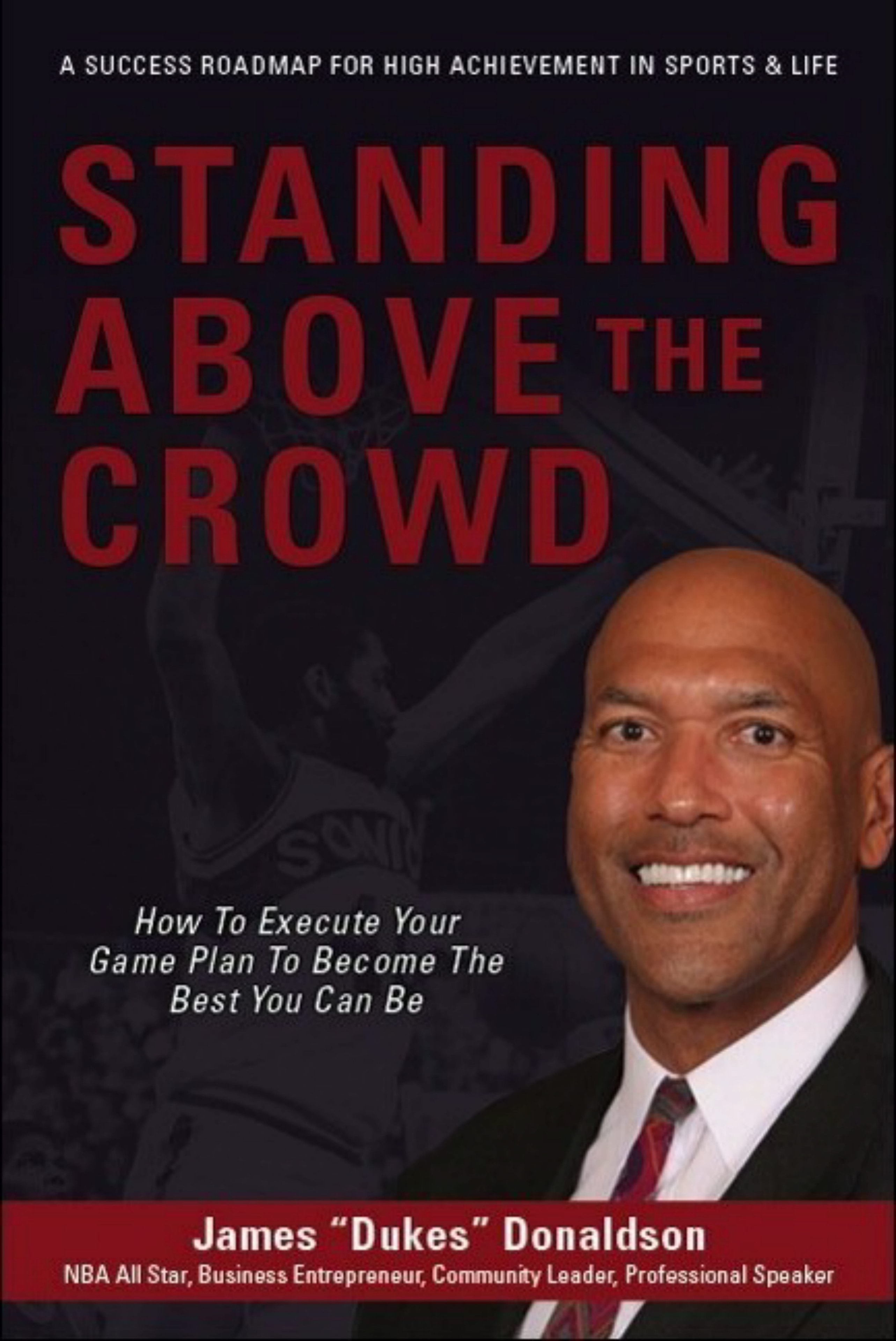
Standing Above the Crowd
Inspiring stories of resilience, hope, and mental wellness
Order & Get It Signed
James Donaldson
Author, Speaker & Mental Health Advocate · Standing Above the Crowd
James Donaldson is a former NBA All-Star (1988, Dallas Mavericks) who played 20 years of professional basketball with the Seattle SuperSonics, L.A. Clippers, Dallas Mavericks, New York Knicks, Utah Jazz, and teams across Europe, before touring with the Harlem Globetrotters. A Washington State University graduate inducted into both the Pac-10 and WSU Athletic Halls of Fame, James went on to found The Donaldson Clinic, an outpatient physical therapy practice he operated for nearly three decades. Today he devotes his time to mental health awareness and suicide prevention — speaking to organizations, schools, and youth groups — and is the author of Standing Above the Crowd and Celebrating Your Gift of Life (2021). James recently relocated to the Dallas, TX area and believes deeply in being a role model of success and professionalism for the young people he serves.