6 min read

Here’s the good news: There are effective treatments that can help during the prodrome — even before a child, usually a teenager, has been officially diagnosed with bipolar disorder.
Here’s the good news: There are effective treatments that can help during the prodrome — even before a child, usually a teenager, has been officially diagnosed with bipolar disorder.
Psychoeducation is often the first step.
“That means helping the child and their family understand what’s happening,” Dr.
“We talk about symptoms, stress, sleep, and how to spot warning signs.” From there, many families benefit from therapy, especially family-based approaches.
Some of the best evidence-supported options include: Family-Focused Therapy (FFT): Helps families communicate better, reduce conflict, and build routines Interpersonal and Social Rhythm Therapy (IPSRT): Focuses on building stable daily rhythms (like sleep, meals, and activities) to regulate mood Dialectical Behavior Therapy (DBT): Teaches emotion-regulation skills, which can be really helpful for teens dealing with intense mood swings “We’re not necessarily trying to stop bipolar disorder from developing,” says Dr.
“But we are trying to reduce the impact and help the child build skills early.” She also highlights the importance of tailoring therapy to the individual.
“There’s no one-size-fits-all approach.
We want to match the intervention to the child’s needs — and that takes ongoing monitoring.” What about medication?
Medication isn’t always the go-to during the prodromal phase — and that surprises a lot of parents.
Often, families expect that a prescription will be the first line of defense.
From the Author
Order today and James will personally sign your copy — a meaningful keepsake from an NBA All-Star and mental health advocate.

Celebrating Your Gift of Life
From the verge of suicide to a life of purpose and joy
Order & Get It Signed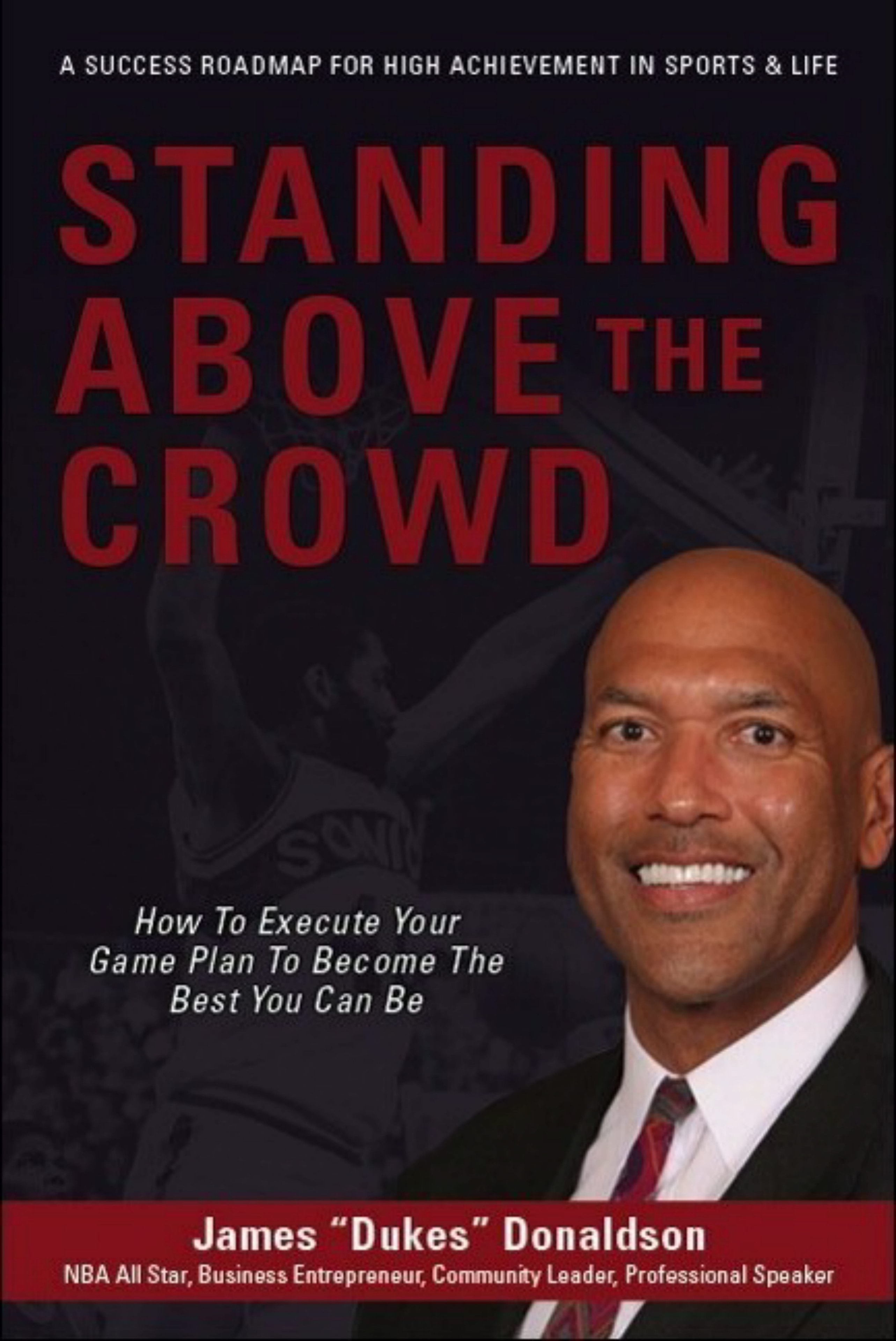
Standing Above the Crowd
Inspiring stories of resilience, hope, and mental wellness
Order & Get It Signed
James Donaldson
Author, Speaker & Mental Health Advocate · Standing Above the Crowd
James Donaldson is a former NBA All-Star (1988, Dallas Mavericks) who played 20 years of professional basketball with the Seattle SuperSonics, L.A. Clippers, Dallas Mavericks, New York Knicks, Utah Jazz, and teams across Europe, before touring with the Harlem Globetrotters. A Washington State University graduate inducted into both the Pac-10 and WSU Athletic Halls of Fame, James went on to found The Donaldson Clinic, an outpatient physical therapy practice he operated for nearly three decades. Today he devotes his time to mental health awareness and suicide prevention — speaking to organizations, schools, and youth groups — and is the author of Standing Above the Crowd and Celebrating Your Gift of Life (2021). James recently relocated to the Dallas, TX area and believes deeply in being a role model of success and professionalism for the young people he serves.