6 min read

Where medication fits in For most kids with bipolar disorder, therapy is combined with medication , which can include traditional mood stabilizers, such as lithium or valproate, and/or a typical anti
Where medication fits in For most kids with bipolar disorder, therapy is combined with medication , which can include traditional mood stabilizers, such as lithium or valproate, and/or a typical anti psychotic medications.
Part of therapy is helping families keep track of how things are going and communicate clearly with their prescriber.
“We don’t prescribe medication in these therapy sessions,” says Dr.
Fristad, “but we help families become better consumers of care.” That might mean keeping a log of side effects or noting when symptoms change.
Some kids with mild symptoms might be able to manage with therapy alone — especially if they have strong routines around sleep and nutrition.
She emphasizes sleep as a treatment target: “We spend a lot of time helping families improve sleep hygiene because poor sleep can tip a kid into an episode.
Sometimes fixing that piece makes a big difference.” Other treatment options In addition to the core therapies she’s developed and studied, Dr.
Fristad notes there are other promising approaches that may help some children with bipolar disorder.
One is dialectical behavior therapy (DBT), originally developed for adults with borderline personality disorder.
“DBT has a lot in common with what we do in family-focused therapy,” says Dr.
From the Author
Order today and James will personally sign your copy — a meaningful keepsake from an NBA All-Star and mental health advocate.

Celebrating Your Gift of Life
From the verge of suicide to a life of purpose and joy
Order & Get It Signed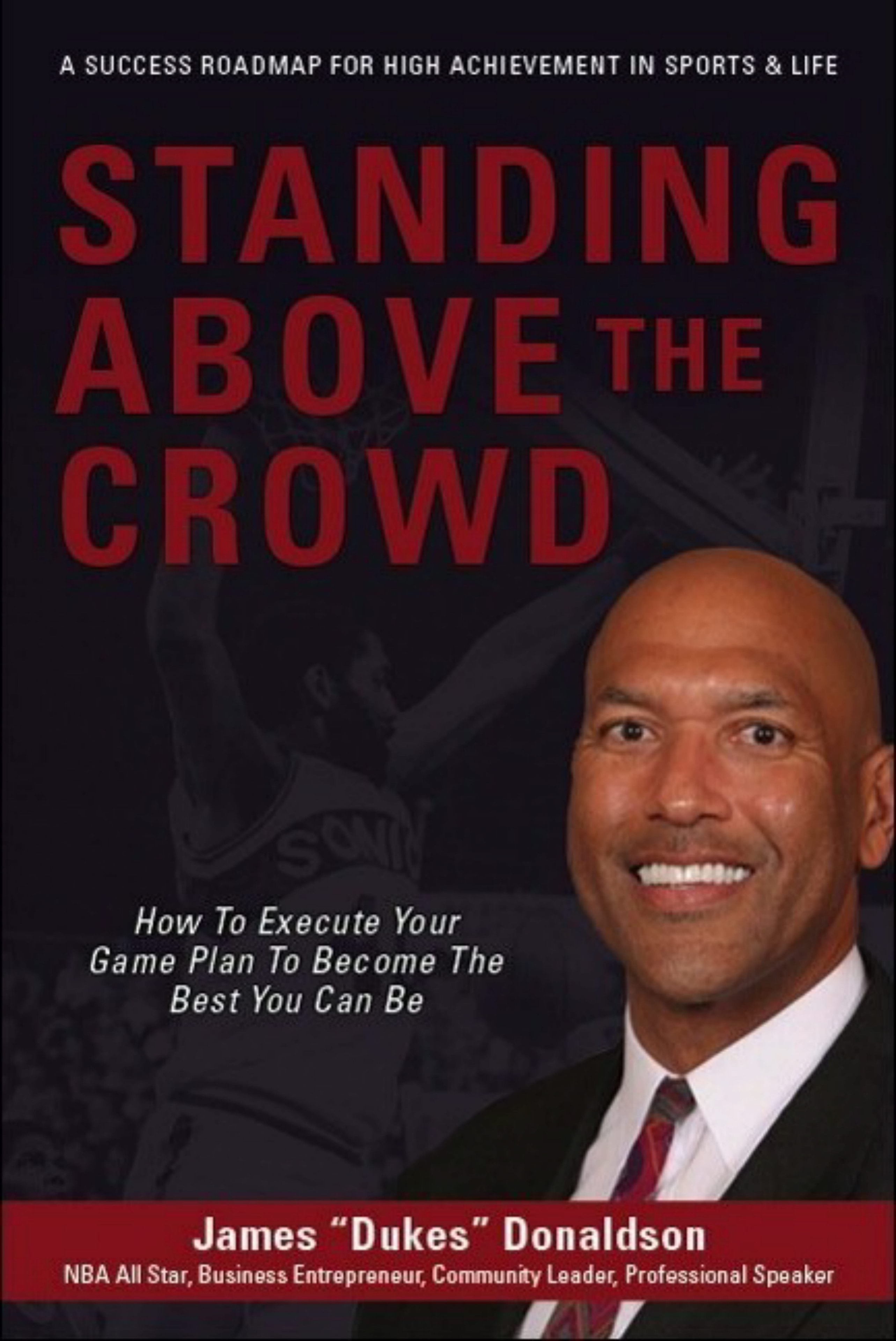
Standing Above the Crowd
Inspiring stories of resilience, hope, and mental wellness
Order & Get It Signed
James Donaldson
Author, Speaker & Mental Health Advocate · Standing Above the Crowd
James Donaldson is a former NBA All-Star (1988, Dallas Mavericks) who played 20 years of professional basketball with the Seattle SuperSonics, L.A. Clippers, Dallas Mavericks, New York Knicks, Utah Jazz, and teams across Europe, before touring with the Harlem Globetrotters. A Washington State University graduate inducted into both the Pac-10 and WSU Athletic Halls of Fame, James went on to found The Donaldson Clinic, an outpatient physical therapy practice he operated for nearly three decades. Today he devotes his time to mental health awareness and suicide prevention — speaking to organizations, schools, and youth groups — and is the author of Standing Above the Crowd and Celebrating Your Gift of Life (2021). James recently relocated to the Dallas, TX area and believes deeply in being a role model of success and professionalism for the young people he serves.