6 min read

Mental health is a crucial aspect of overall well-being, yet it often remains shrouded in misunderstanding.
Mental health is a crucial aspect of overall well-being, yet it often remains shrouded in misunderstanding.
Two of the most frequently confused mental health conditions are bipolar disorder and depression.
While they share some similarities, they are distinct disorders with unique symptoms and treatments.
Understanding these differences is vital for anyone affected by either condition.
In this blog post, we will delve into the key differences between bipolar disorder and depression, providing clarity and insight for those seeking to understand these complex conditions.
Understanding Bipolar Disorder 2.
Key Differences Between Bipolar Disorder and Depression 4.
FAQs Understanding Bipolar Disorder Bipolar disorder, formerly known as manic depression, is a mental health condition characterized by extreme mood swings that include emotional highs (mania or hypomania) and lows (depression).
These mood swings can affect sleep, energy, activity, judgment, behavior, and the ability to think clearly.
The exact cause of bipolar disorder is still unknown, but factors such as genetics, brain structure, and environment may play a role.
From the Author
Order today and James will personally sign your copy — a meaningful keepsake from an NBA All-Star and mental health advocate.
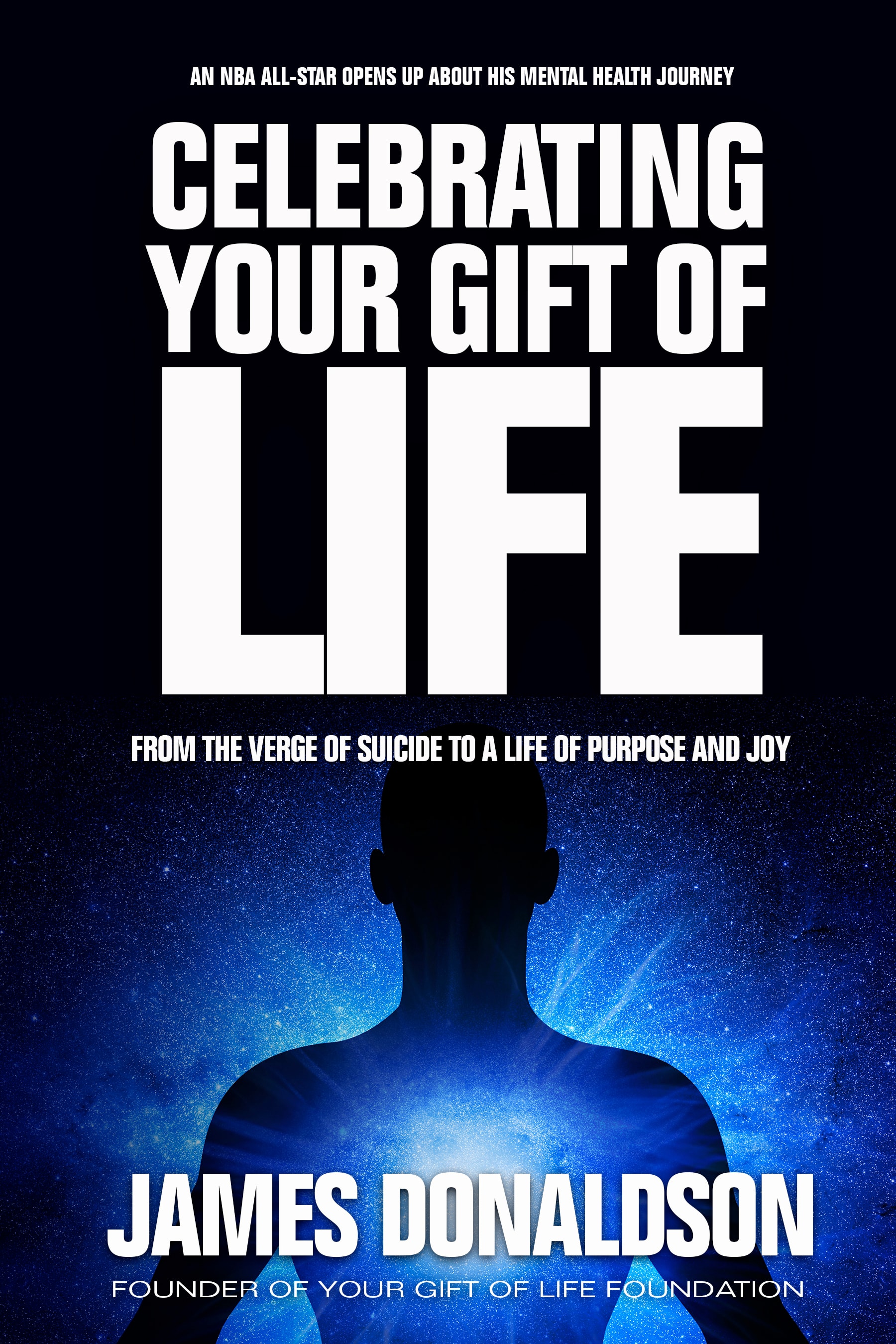
Celebrating Your Gift of Life
From the verge of suicide to a life of purpose and joy
Order & Get It Signed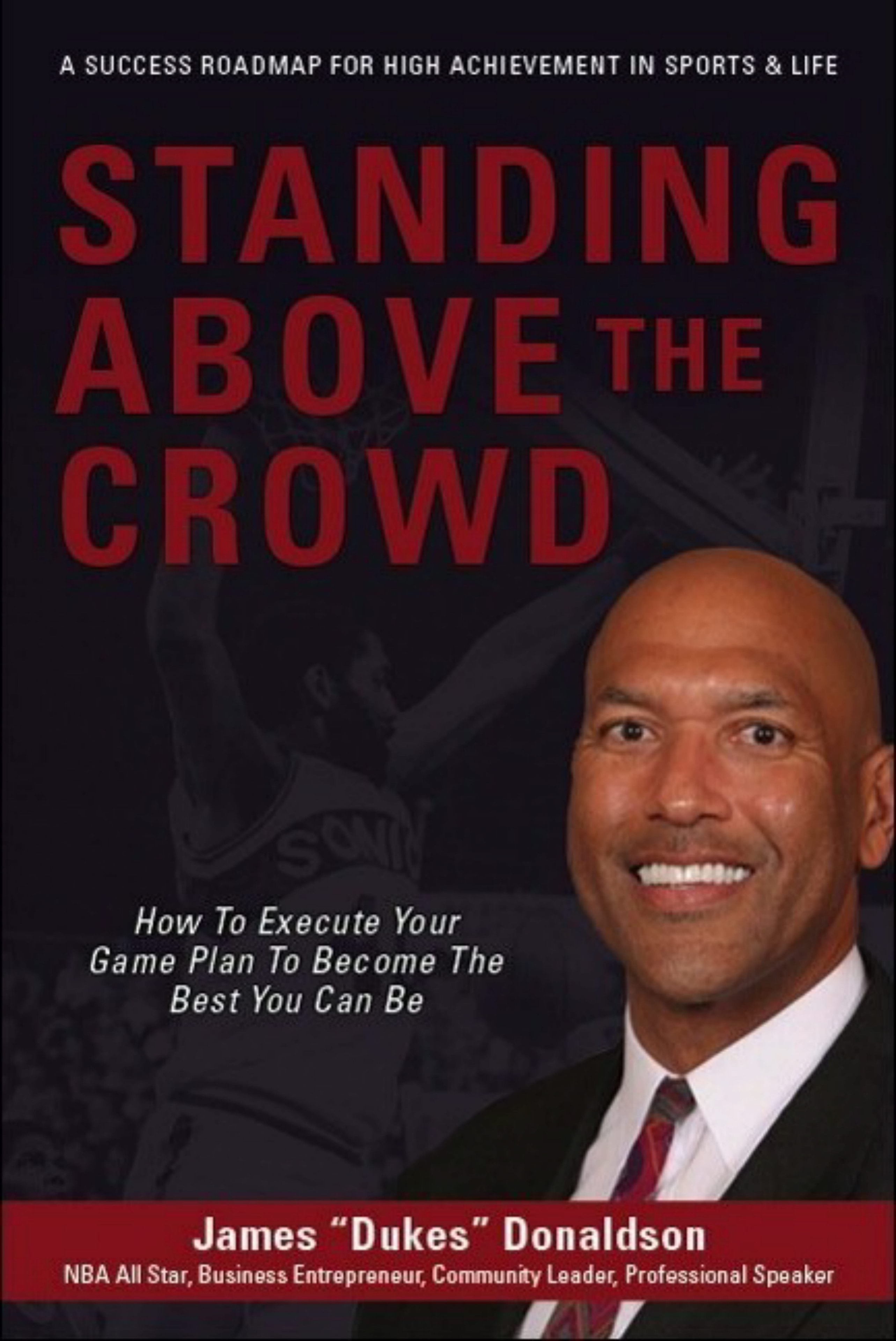
Standing Above the Crowd
Inspiring stories of resilience, hope, and mental wellness
Order & Get It Signed
James Donaldson
Author, Speaker & Mental Health Advocate · Standing Above the Crowd
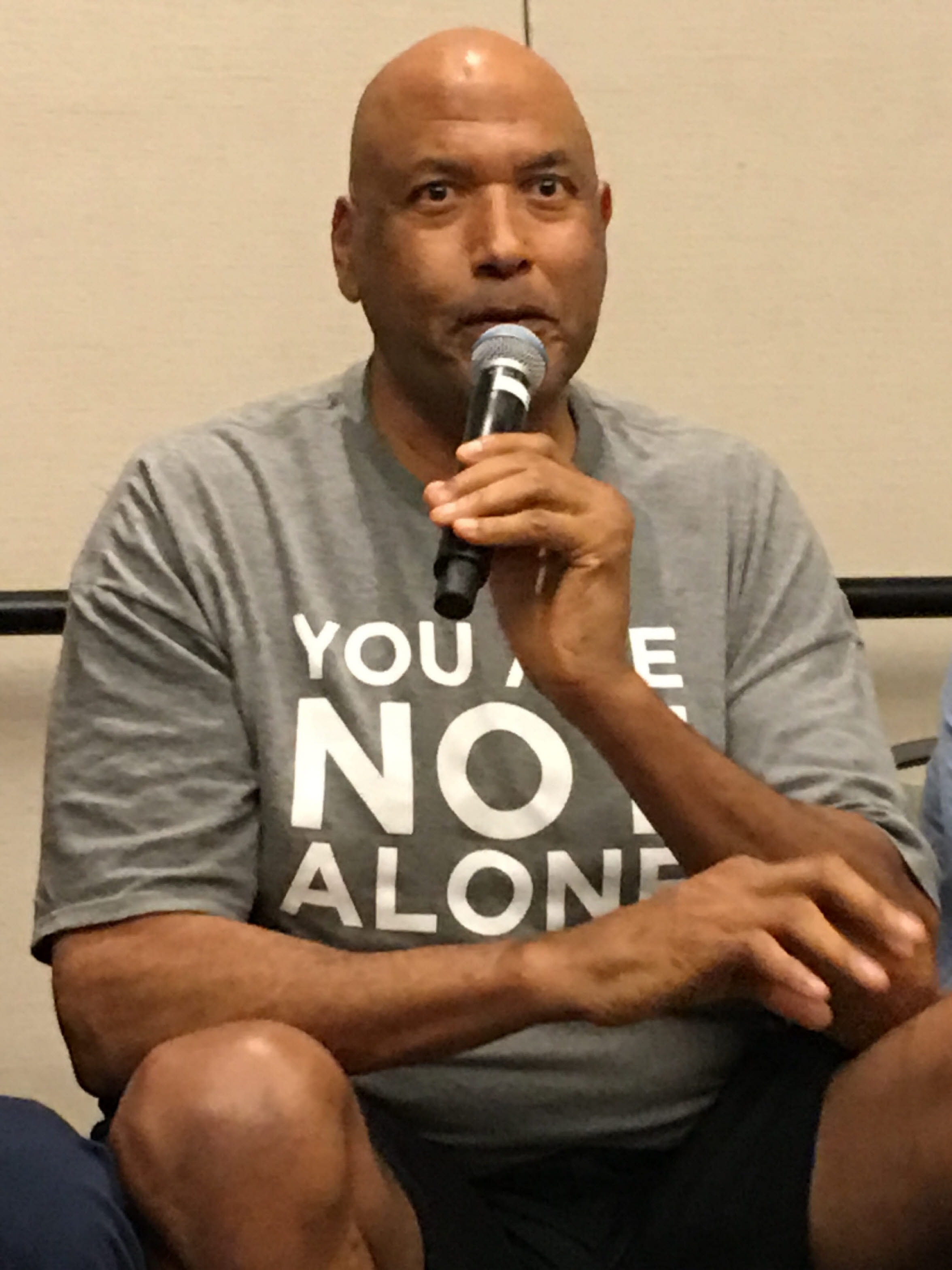
James Donaldson is a former NBA All-Star (1988, Dallas Mavericks) who played 20 years of professional basketball with the Seattle SuperSonics, L.A. Clippers, Dallas Mavericks, New York Knicks, Utah Jazz, and teams across Europe, before touring with the Harlem Globetrotters. A Washington State University graduate inducted into both the Pac-10 and WSU Athletic Halls of Fame, James went on to found The Donaldson Clinic, an outpatient physical therapy practice he operated for nearly three decades. Today he devotes his time to mental health awareness and suicide prevention — speaking to organizations, schools, and youth groups — and is the author of Standing Above the Crowd and Celebrating Your Gift of Life (2021). James recently relocated to the Dallas, TX area and believes deeply in being a role model of success and professionalism for the young people he serves.