7 min read
By Magdalene Zier, Graduate Dissertation Fellow Headlines abound about the ways in which men and boys are struggling in our divided, digital age.
By Magdalene Zier, Graduate Dissertation Fellow Headlines abound about the ways in which men and boys are struggling in our divided, digital age.
But commentators too often overlook the distinct mental health challenges that Black men and boys face.
Rates of suicidality among Black Americans have increased significantly in recent decades, and men represent a startling 81% of decedents.
Suicide is now the third leading cause of death for young Black men, and the numbers are rising.
New research by Leslie Adams, assistant professor of psychiatry and behavioral sciences at Stanford, offers a framework for understanding – and addressing – this mental health crisis.
At a recent meeting of the Clayman Institute’s Faculty Research Fellows, Adams presented her paper, “ Performing Strength: Racialized Masculinity in the Lived Experiences of Black Men at Risk of Suicide ,” just published in the Journal of Men’s Health .
Adams argues that effective suicide prevention requires attending to how racial oppression and patriarchal gender norms jointly impact Black men’s well-being.
While studies on suicide prevention typically focus on individual risk factors, Adams advocates a broader, social lens.
Her work centers racism, discrimination, and “other systemic stressors” that affect individuals and put them at greater risk of suicidal thoughts and behaviors.
“My perspective toward this issue,” Adams explained, “is that it does not exist in a vacuum, that there are many societal factors that contribute to it that we haven’t fully understood.” Adams and her co-authors conducted a study of 15 participants who identified as Black men and had histories of suicidal thoughts and behaviors.
From the Author
Order today and James will personally sign your copy — a meaningful keepsake from an NBA All-Star and mental health advocate.
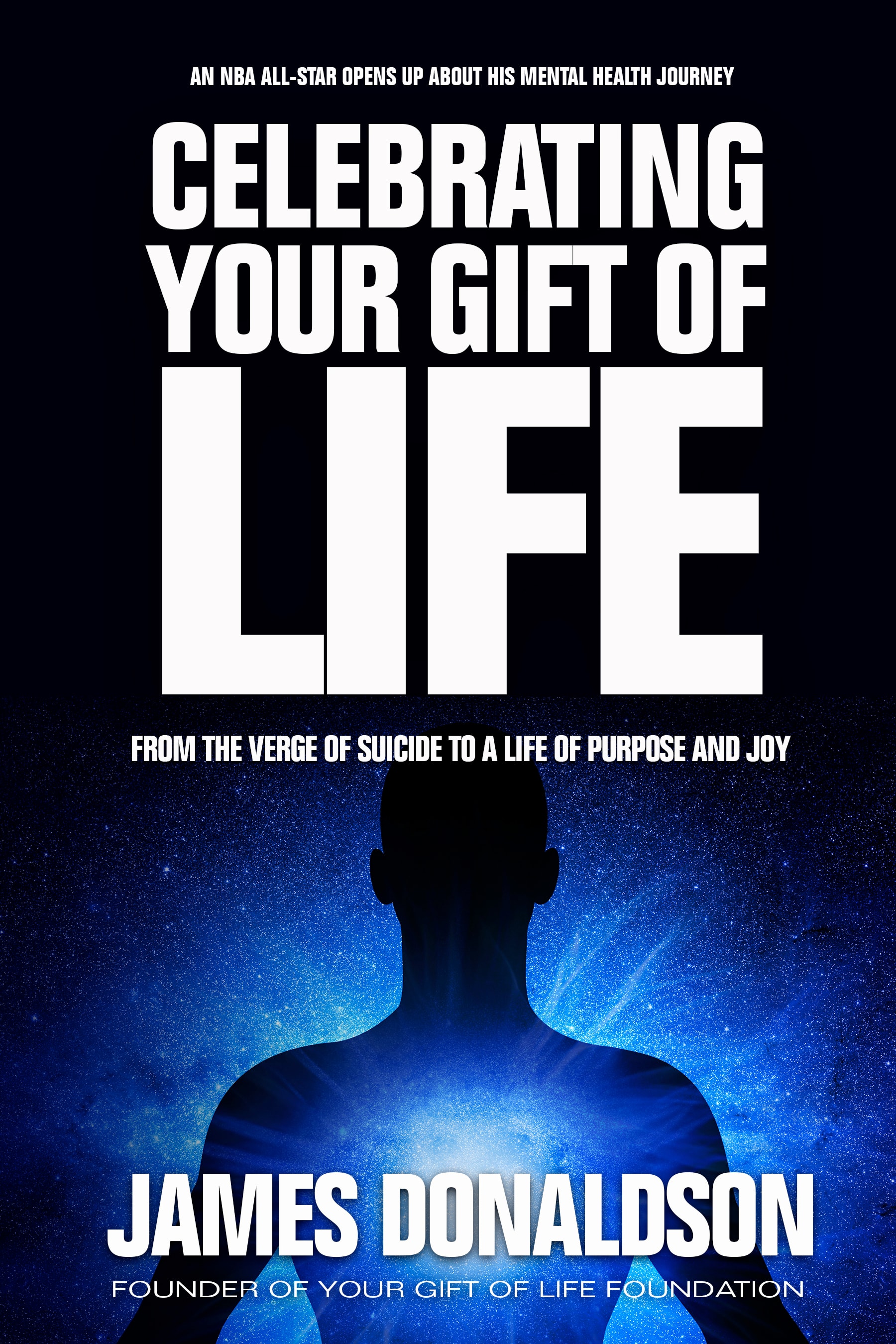
Celebrating Your Gift of Life
From the verge of suicide to a life of purpose and joy
Order & Get It Signed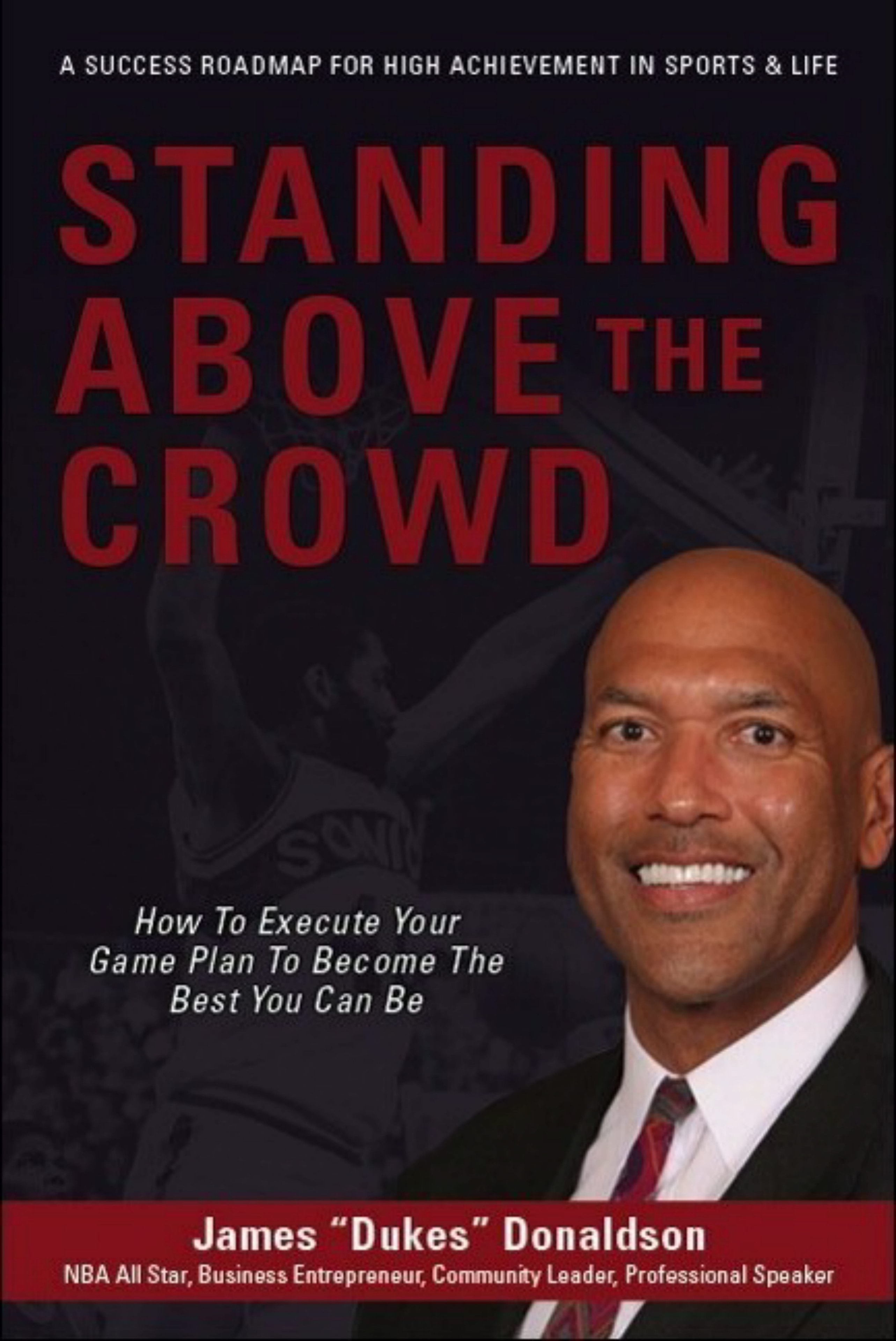
Standing Above the Crowd
Inspiring stories of resilience, hope, and mental wellness
Order & Get It Signed
James Donaldson
Author, Speaker & Mental Health Advocate · Standing Above the Crowd
James Donaldson is a former NBA All-Star (1988, Dallas Mavericks) who played 20 years of professional basketball with the Seattle SuperSonics, L.A. Clippers, Dallas Mavericks, New York Knicks, Utah Jazz, and teams across Europe, before touring with the Harlem Globetrotters. A Washington State University graduate inducted into both the Pac-10 and WSU Athletic Halls of Fame, James went on to found The Donaldson Clinic, an outpatient physical therapy practice he operated for nearly three decades. Today he devotes his time to mental health awareness and suicide prevention — speaking to organizations, schools, and youth groups — and is the author of Standing Above the Crowd and Celebrating Your Gift of Life (2021). James recently relocated to the Dallas, TX area and believes deeply in being a role model of success and professionalism for the young people he serves.