7 min read

And how to discuss treatment options with cultural sensitivity. About half of Black parents surveyed agreed that 'mental health professionals are too quick to prescribe medication for mental health issues.'
'I am deeply concerned that mental health services will rely too heavily on medication rather than seeking the root cause.' This sentiment reflects a common concern within the Black community.
A study conducted by the Child Mind Institute in partnership with The Steve Fund included a nationally representative survey of 1,000 Black parents seeking mental health care for their children and 500 young adults seeking care for themselves. When asked about their concerns around mental health care, about half of the respondents agreed that 'mental health professionals are too quick to prescribe medication for mental health issues.'
One source of medication reluctance is concern about side effects — will it stunt their child's growth? But it also may come from feeling pressure from schools. 'Schools oftentimes refer kids for treatment if the kid's behavior is disruptive, which could be for a number of reasons. And that's where the pressure comes in,' says Dr. Rhonda Boyd.
Historically, the overmedication of Black patients in the mental health care system has been linked to their frequent misdiagnosis. In the late 1950s, researchers redefined characteristics of paranoid schizophrenia as a 'masculinized belligerence' and began to associate this type of schizophrenia with Black patients — specifically Black men.
While the language in the DSM has since changed, recent studies have shown that Black Americans are still 2.4 times more likely to be diagnosed with schizophrenia than their white counterparts. Additionally, researchers have found that Black patients are more likely to receive higher doses of long-acting antipsychotic drugs.
To find the best solution for the child's mental health challenges, the first critical step is to create a comfortable and collaborative environment. 'For those initial appointments, I do my best to develop a form of trust where they feel comfortable enough with me,' says Dr. Jonathan Shepherd.
When a school is pushing for a quick solution to a child's disruptive behavior, parents may feel backed into a corner. It's important for parents to know that there are several alternatives to medication treatment for disruptive behavior in a classroom, such as therapy, parent training, specialized programs, and a change in classroom structure.
From the Author
Order today and James will personally sign your copy — a meaningful keepsake from an NBA All-Star and mental health advocate.

Celebrating Your Gift of Life
From the verge of suicide to a life of purpose and joy
Order & Get It Signed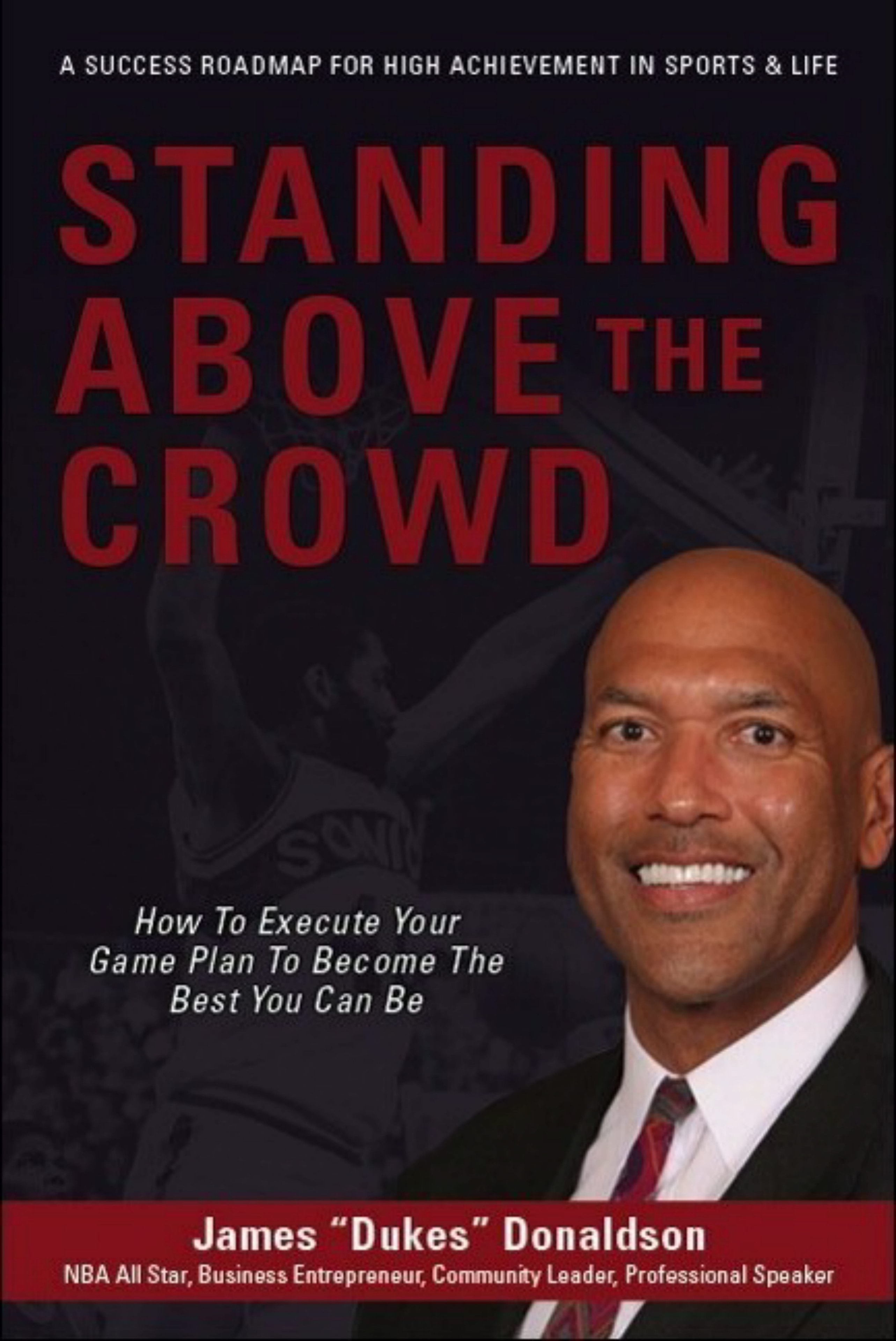
Standing Above the Crowd
Inspiring stories of resilience, hope, and mental wellness
Order & Get It Signed
James Donaldson
Author, Speaker & Mental Health Advocate · Standing Above the Crowd
James Donaldson is a former NBA All-Star (1988, Dallas Mavericks) who played 20 years of professional basketball with the Seattle SuperSonics, L.A. Clippers, Dallas Mavericks, New York Knicks, Utah Jazz, and teams across Europe, before touring with the Harlem Globetrotters. A Washington State University graduate inducted into both the Pac-10 and WSU Athletic Halls of Fame, James went on to found The Donaldson Clinic, an outpatient physical therapy practice he operated for nearly three decades. Today he devotes his time to mental health awareness and suicide prevention — speaking to organizations, schools, and youth groups — and is the author of Standing Above the Crowd and Celebrating Your Gift of Life (2021). James recently relocated to the Dallas, TX area and believes deeply in being a role model of success and professionalism for the young people he serves.