James Donaldson on Mental Health – The School Mental Health Gap: Why Our Kids Aren't Getting the Help They Need
The recommended ratio is one school counselor for every 250 students. The national average is one for every 408. In some states, it's one for every 700.
When a child is struggling emotionally, school is often the first place it shows up. A drop in grades. Increased absences. Fights with classmates. Withdrawal from activities. Teachers and counselors are frequently the first adults outside the family to notice something is wrong. But across the country, schools are dramatically under-resourced to respond.
The American School Counselor Association recommends a ratio of one counselor for every 250 students. The national average is one for every 408. In some states — Arizona, Michigan, and California among them — the ratio exceeds one counselor for every 700 students. In those environments, meaningful mental health support is simply not possible.
The consequences fall hardest on students who have the fewest alternatives. Families with resources can access private therapists, telehealth platforms, and community programs. Families without those resources depend almost entirely on what the school provides. When schools are under-resourced, those children go without.
The pandemic made things worse. Rates of anxiety, depression, and suicidal ideation among young people increased sharply between 2020 and 2023, and many schools are still catching up. The CDC's 2023 Youth Risk Behavior Survey found that more than 40 percent of high school students reported persistent feelings of sadness or hopelessness.
What can be done? Advocates are pushing for federal and state funding to hire more school counselors, psychologists, and social workers. Some districts are partnering with community mental health organizations to bring services directly into schools. Telehealth has also expanded access in rural areas.
Parents can advocate at the school board level for increased mental health staffing. They can also help by keeping communication open at home, reducing the stigma around mental health conversations, and knowing the signs that their child may need professional support.
Every child deserves access to mental health support — not just the ones whose families can afford it. Closing the school mental health gap is not a luxury. It is a matter of equity, safety, and the future of our communities.
From the Author
Get James Donaldson's Books
Order today and James will personally sign your copy — a meaningful keepsake from an NBA All-Star and mental health advocate.
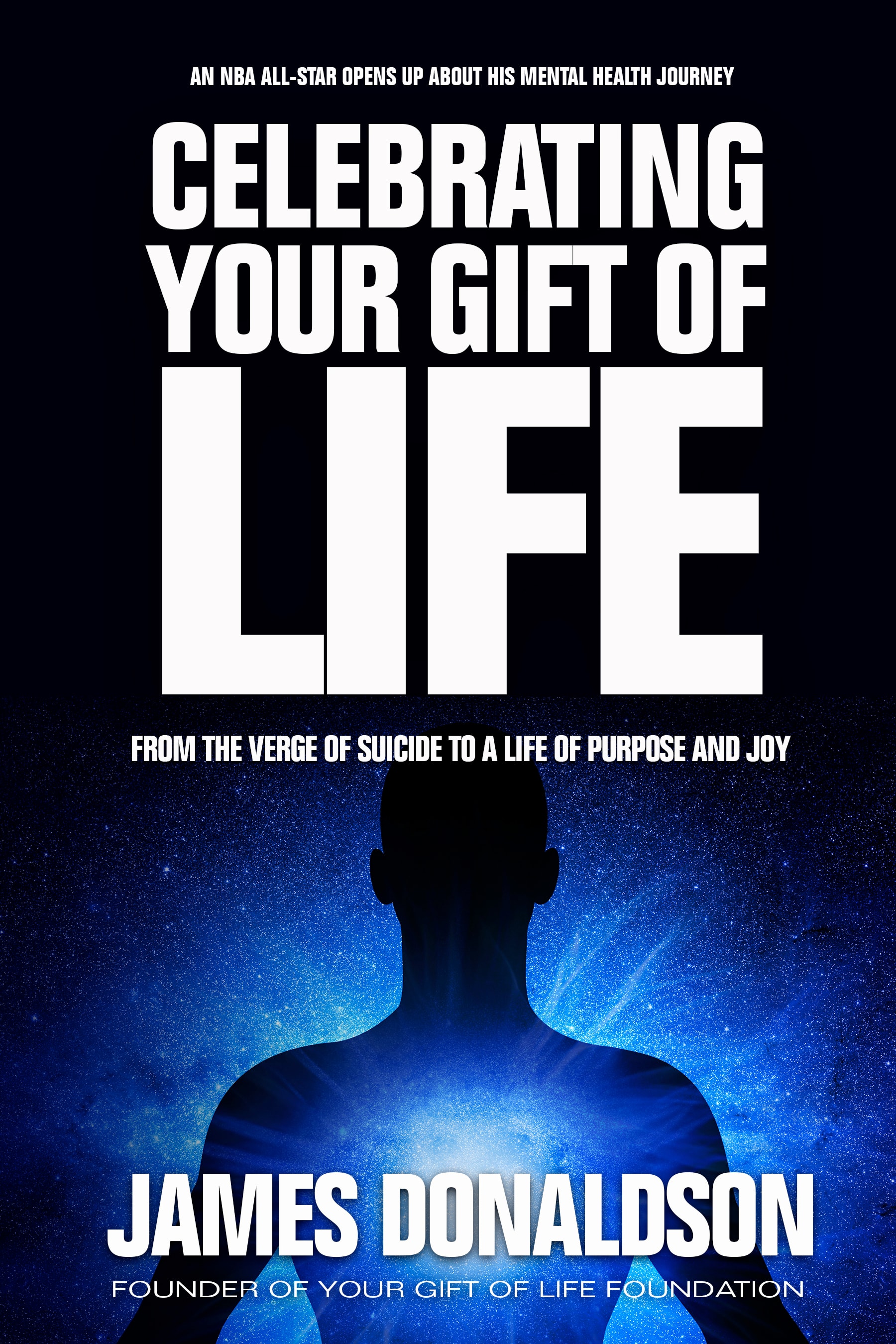
Celebrating Your Gift of Life
From the verge of suicide to a life of purpose and joy
Order & Get It Signed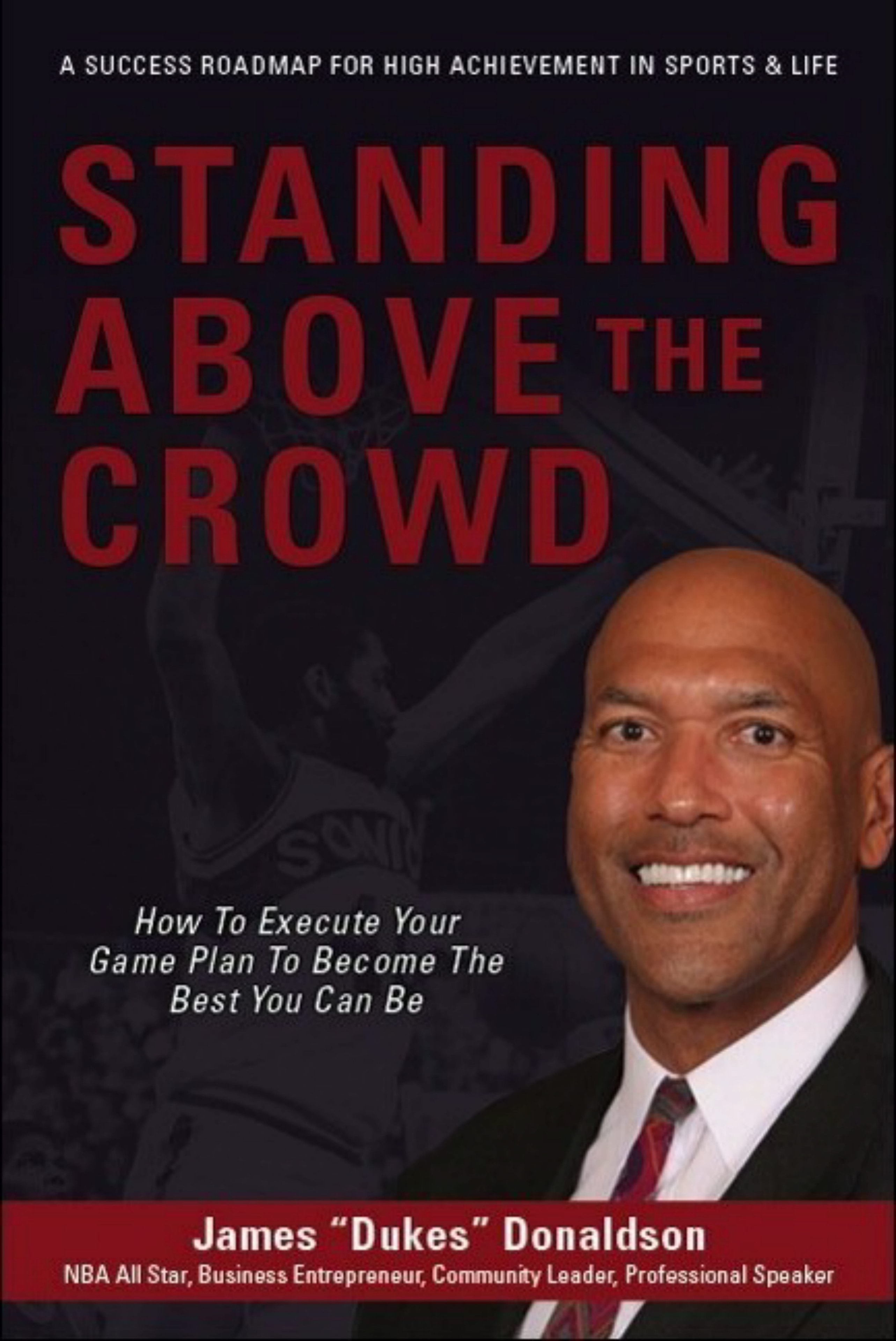
Standing Above the Crowd
Inspiring stories of resilience, hope, and mental wellness
Order & Get It Signed
James Donaldson
Author, Speaker & Mental Health Advocate · Standing Above the Crowd
James Donaldson is a former NBA All-Star (1988, Dallas Mavericks) who played 20 years of professional basketball with the Seattle SuperSonics, L.A. Clippers, Dallas Mavericks, New York Knicks, Utah Jazz, and teams across Europe, before touring with the Harlem Globetrotters. A Washington State University graduate inducted into both the Pac-10 and WSU Athletic Halls of Fame, James went on to found The Donaldson Clinic, an outpatient physical therapy practice he operated for nearly three decades. Today he devotes his time to mental health awareness and suicide prevention — speaking to organizations, schools, and youth groups — and is the author of Standing Above the Crowd and Celebrating Your Gift of Life (2021). James recently relocated to the Dallas, TX area and believes deeply in being a role model of success and professionalism for the young people he serves.